Elize: Shadows of a Woman – The True Story Behind Elize Matsunaga
Elize: Shadows of a Woman reveals the true story of Elize Matsunaga, a woman whose actions shocked Brazil in 2012. The Netflix film explores the psychological dynamics of her relationship with her husband, Marcos Matsunaga.

Viewers of Elize: Shadows of a Woman might initially perceive it as a psychological thriller designed for cinematic engagement. However, the Netflix film is rooted in a real-life incident that shocked Brazil in 2012, becoming one of the most talked-about criminal cases in the country. The narrative centers on Elize Matsunaga, who infamously killed and dismembered her husband, entrepreneur Marcos Kitano Matsunaga, in their São Paulo apartment.
Despite its basis in true events, the film does not present a documentary-style reconstruction. Instead, the filmmakers choose to delve into a more intimate and psychological perspective, exploring the tumultuous relationship between Elize and Marcos, as well as the conflicts that culminated in one of Brazil's most shocking crimes. Netflix describes the film as a fictionalized retelling inspired by actual events.
The Real Elize Matsunaga and the Events of 2012
The real Elize Matsunaga was born in Paraná and, prior to meeting Marcos Matsunaga, worked as an escort. Their relationship began in 2004, leading to marriage and the birth of their daughter. However, beneath the façade of a wealthy family, their relationship deteriorated amid jealousy, infidelity, and ongoing conflicts.
On May 19, 2012, Marcos Matsunaga was shot dead in their apartment. Following the murder, Elize dismembered his body and attempted to conceal the remains, which were discovered days later by the police. She was arrested shortly after, confessed to the crime, and was ultimately convicted by the Brazilian judicial system.
A Shift in Perspective While Staying True to the Core Events
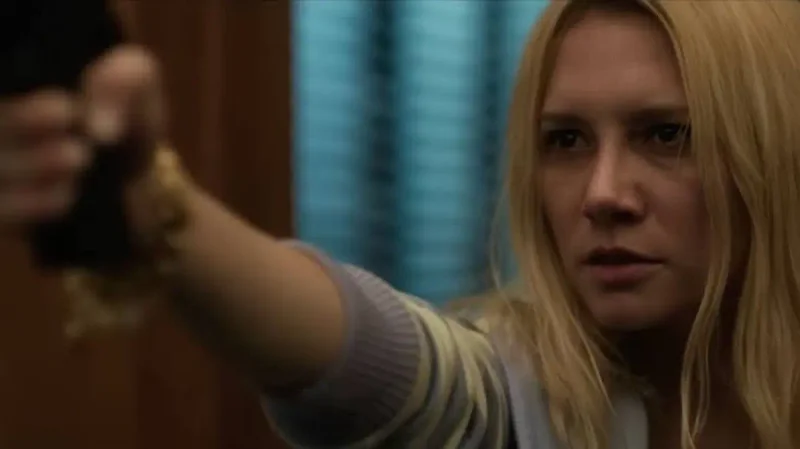
Although the essential events are factual, Elize: Shadows of a Woman does not recount the case as a documentary would. Director Felipe Vellas, along with screenwriters Raphael Montes and Mariana Torres, focuses primarily on the psychological aspects of the protagonist and the gradual disintegration of the marriage. They aim to understand the emotional dynamics leading up to the crime without turning the film into a courtroom drama or a legal chronicle. The creative team has expressed a desire to narrate a true story through the lens of fiction, addressing themes such as power, domestic violence, social disparities, and control within relationships.
For a Deeper Understanding, a Netflix Docuseries is Available
For those interested in exploring the real case further, Netflix offers Elize Matsunaga: Once Upon a Crime, a 2021 docuseries consisting of four episodes. Unlike the film, this documentary reconstructs the investigations, trial, and aftermath of the crime through testimonies, archival materials, and the first extensive interview given by Elize Matsunaga after her arrest. Watching both works provides insight into the differences between documentary reconstruction and cinematic storytelling, with the latter favoring the human and psychological drama of the protagonist.