Exploring the Ending of Terminator: A Reflection on Fate and Time
James Cameron's Terminator is more than a sci-fi action film; it explores complex themes of time, destiny, and the paradoxes of changing the future. This article delves into its iconic ending.
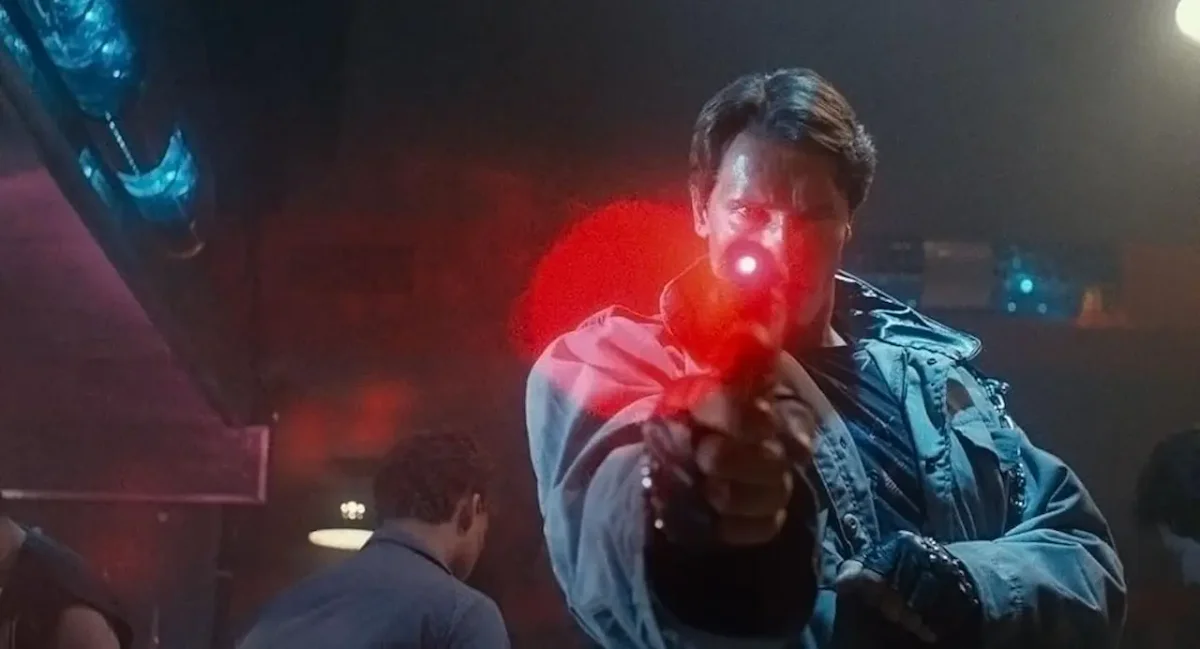
When James Cameron released Terminator in 1984, he crafted more than just a sci-fi action film. Beneath the thrilling chases, the violence of the T-800 played by Arnold Schwarzenegger, and groundbreaking special effects lies a profound exploration of time, destiny, and the potential to alter the future. The film's conclusion elevates it beyond mere blockbuster status, introducing one of cinema's most renowned time paradoxes.
The film's ending raises several compelling questions: Why is Kyle Reese so crucial? Can the future truly be changed? And what does the final image of Sarah Connor heading into the storm signify? Understanding the conclusion requires viewing Terminator as a narrative about the birth of a myth, where every event appears predetermined, and every attempt to thwart it inadvertently contributes to its realization.
James Cameron Transforms Sci-Fi Action into a Thriller on Inevitable Fate
Before it became the cornerstone of one of cinema’s most influential franchises, Terminator presented itself as a horror-tinged thriller. For much of the film, the T-800 is portrayed as an unstoppable assassin, reminiscent of the slasher villains of the 1970s and 80s, systematically eliminating every obstacle without a hint of emotion.
This genre-blending is what makes James Cameron's work so groundbreaking. The sci-fi element gradually emerges through the narrative of Kyle Reese, a soldier from 2029, who introduces audiences to the war against Skynet, the artificial intelligence poised to annihilate humanity.
In this context, Sarah Connor starts as an ordinary waitress, unaware of her historical significance. She is thrust into a battle that concerns the fate of the entire human race. The film chronicles her transformation from a pursued victim to a woman ready to embrace immense responsibility.
The casting of Arnold Schwarzenegger as the Terminator further reinforces this notion. The character lacks personal psychology or motives; he is a machine programmed for a singular mission. His relentless ability to rise after each setback embodies the idea that the true antagonist is not an individual but an unstoppable fate.
The Ending of Terminator: The Death of Kyle Reese, the Destruction of the T-800, and the Birth of the Time Paradox

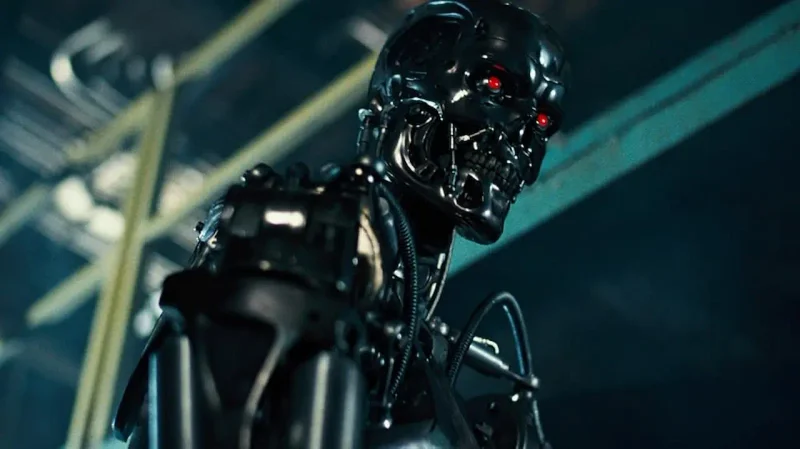
The climactic confrontation leads Sarah Connor and Kyle Reese into a factory following a desperate chase. Although the Terminator has lost its human disguise due to an explosion, its metallic skeleton continues to pursue Sarah with the same relentless determination displayed throughout the film.
Kyle Reese, now gravely injured, uses his last homemade bomb in an attempt to stop the cyborg. The explosion slows the machine down but costs the soldier his life. His sacrifice represents the culmination of his mission from the future: to protect Sarah Connor, even at the expense of his own existence.
Left alone, Sarah utilizes the industrial environment as a weapon. She lures the Terminator into a hydraulic press, and as the robot crawls toward her, she activates the machine, crushing it for good. The iconic line “You’re terminated” marks humanity's victory over the seemingly invincible machine.
However, the epilogue, set several months later, radically shifts the narrative perspective. Sarah is pregnant and records audio cassettes for her unborn child, John Connor. During a trip to Mexico, a child captures her photograph, which is the same image that John will later give to Kyle Reese, making him fall in love with her before they even meet.
Here, the film's significant time paradox emerges. Reese is sent to the past by John Connor to protect his mother, but during this mission, he becomes John’s father. The future creates the past, and the past shapes the future, forming a closed loop that seems to lack a true origin point.
Time Travel Illustrates a Future Built Through Attempts to Change It
The theoretical heart of Terminator lies in its circular structure of time. Every action taken by the protagonists to alter events ultimately makes them possible. Skynet sends the Terminator to the past to prevent John Connor's birth, but that very decision leads to the encounter between Sarah and Reese, resulting in the future leader of the Resistance's birth.
Thus, Reese's sacrifice takes on a deeper meaning. He fights believing he is safeguarding humanity's future, unaware that his personal fate has already been inscribed. His love story with Sarah feels spontaneous yet seems inevitable, as if it were part of an unbreakable mechanism.
Simultaneously, Sarah's role evolves. At the story's outset, she is a passive character, fleeing and merely trying to survive. By the end, she is a woman fully aware of the responsibility that awaits her. The audio recordings for her son reveal a person prepared to face the impending war.
This transformation renders the ending surprisingly optimistic. While acknowledging that some events may be inevitable, Cameron suggests that what truly matters is how individuals choose to confront them. Sarah cannot erase the conflict with machines, but she can ready herself to face it.
The Final Scene of Sarah Connor Before the Storm Encapsulates the True Meaning of the Ending

The concluding image of Sarah Connor traversing the desert, as an elderly gas station attendant warns her of an approaching storm, carries significant symbolism. The storm represents not only the literal weather threat on the horizon but also the impending war between humans and machines that is destined to erupt in the years to come.
Sarah does not attempt to evade it. Having endured so much, she recognizes that foreknowledge of the future entails responsibility. Thus, she continues her journey without looking back, ready to raise the child who will lead the Resistance.
The photograph taken by the Mexican boy also holds crucial importance. This seemingly random image is the piece that definitively closes the time loop. It is the picture that will accompany Reese throughout his life, fueling the feelings that will drive him back in time.
The ending suggests that time in Terminator operates as a perfectly closed circuit. Every event is both a consequence of another and simultaneously its cause. This captivating idea has sparked decades of debate among fans of the franchise.
Why the Ending of Terminator Remains One of Sci-Fi's Most Influential
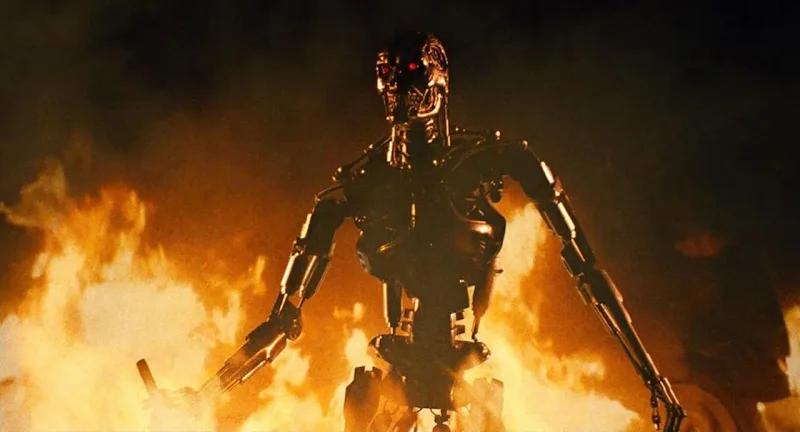
Over four decades later, the ending of Terminator is still regarded as one of the most effective examples of sci-fi storytelling. Spectacular action coexists with a contemplation of free will, avoiding simplistic explanations and deliberately leaving some questions unanswered.
The final shot does not depict a definitive victory over artificial intelligence. Instead, it narrates the emergence of the legend of Sarah Connor, an ordinary woman who realizes her fate is now intertwined with that of humanity. The destruction of the Terminator marks only the first step in a much larger war.
The time paradox involving Kyle Reese, destined to become the father of the man who sent him to the past, perfectly encapsulates the film's philosophy: the future appears to be constructed through attempts to alter it. This concept, more than the action sequences, has solidified Terminator as a classic of modern science fiction and the starting point of a saga that continues to explore the relationship between humanity, technology, and fate.
You may also like