Exploring Troma: A Landmark Book on the Iconic Studio
Troma Entertainment's unique place in cinema is explored in the new book _Z comme Troma_, detailing its punk spirit and cultural impact over fifty years.
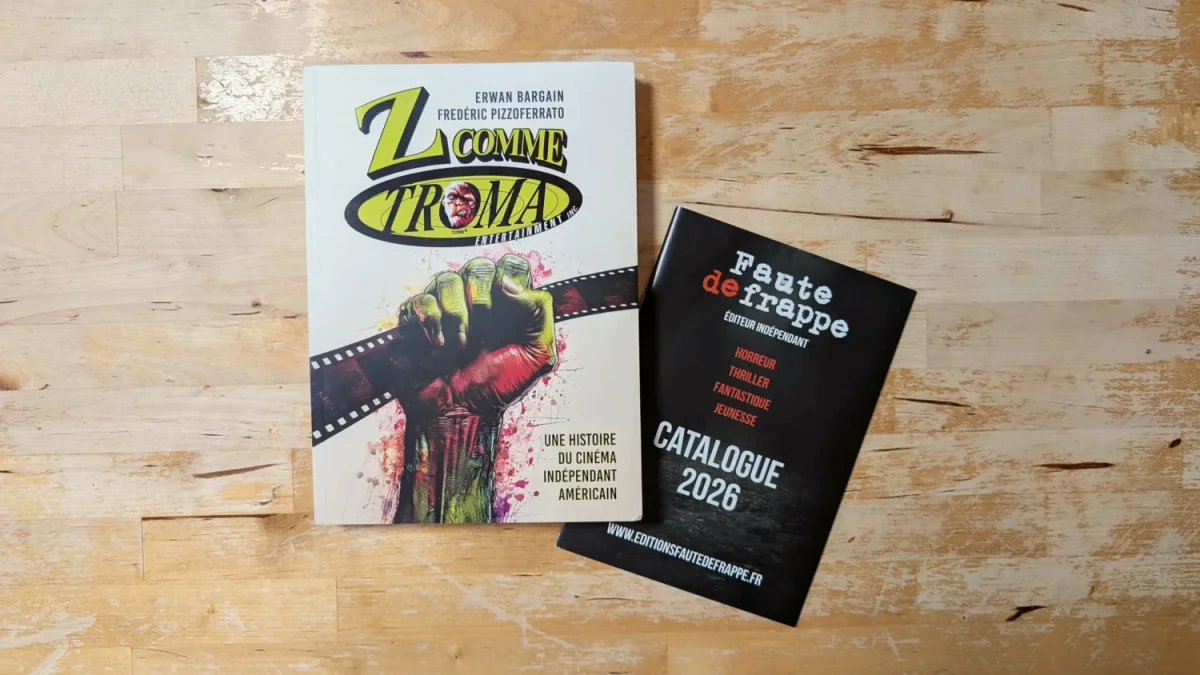
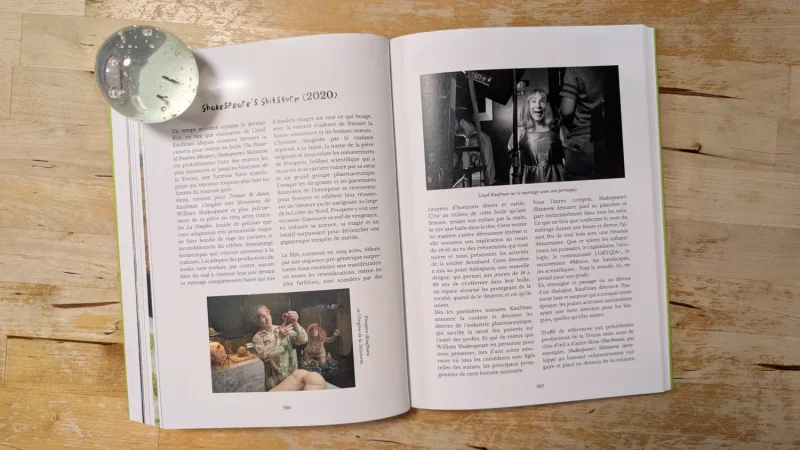
In the realm of cinema, there exists a divide between the films we study in prestigious institutions and those we secretly indulge in, often accompanied by a mix of shame and guilty pleasure. For over fifty years, Troma Entertainment has thrived in this latter domain, embodying a punk spirit that has proven impossible to tame. Authors Erwan Bargain and Frédéric Pizzoferrato have recently filled a significant gap in film literature with their book, Z comme Troma, which captures the essence of this cult studio with its characteristic generosity, chaos, and surprising political depth.
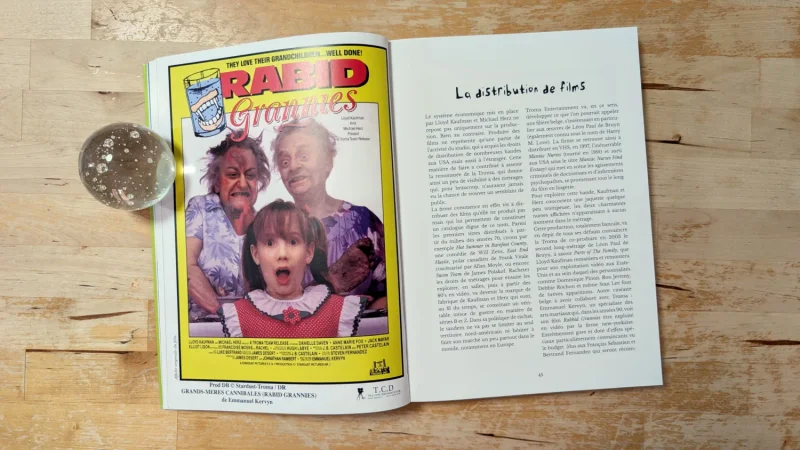
Troma has long been misunderstood. The iconic green, oozing figure of the Toxic Avenger is widely recognized, and many have encountered bizarre VHS covers in video rental stores. However, few truly understand what Troma represents, how it has survived for more than half a century on the fringes of the film industry, and why notable figures like James Gunn, Trey Parker, and Kevin Costner began their careers there.
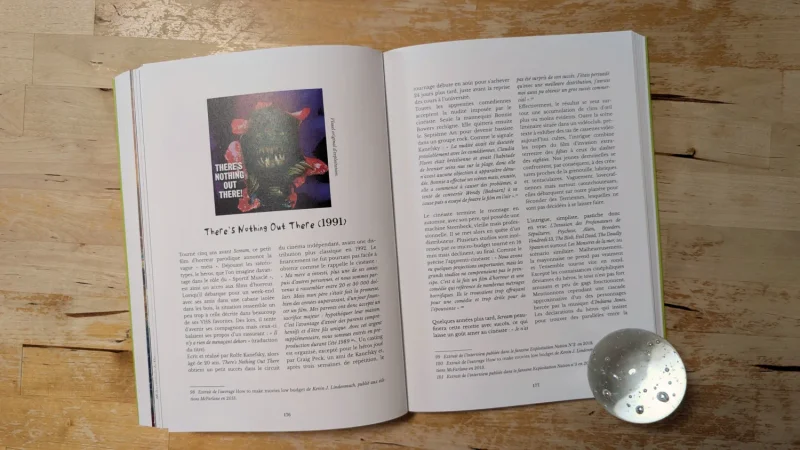
Bargain and Pizzoferrato's Z comme Troma, une histoire du cinéma indépendant américain is the first book in French entirely dedicated to this New York-based studio, founded in 1974 by Lloyd Kaufman and Michael Herz. Released in May 2026 by Faute de Frappe, the book is a beautifully designed volume measuring 18×25 cm, featuring 288 pages of colorful content.
Troma: The Art of Transforming Limitations into Style
To grasp the significance of Troma, one must first acknowledge its status as the oldest independent film studio still in operation in the United States. From the outset, Bargain and Pizzoferrato make it clear: Troma is undeniably part of American cinema history and has established itself as a fiercely anti-establishment brand. The recurring theme in their narrative is the punk ethos—not in a musical sense, but as a studio that has built its identity by directly opposing Hollywood's dominance and the conservative policies of various administrations.
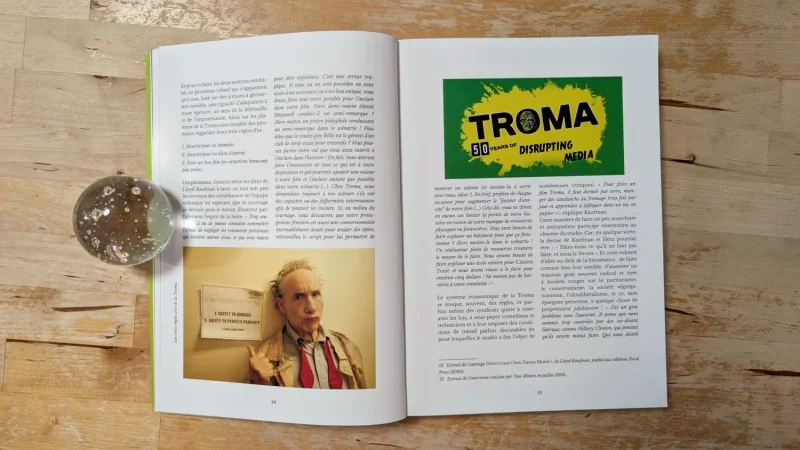
Kaufman and Herz have ingeniously turned their budget constraints into a distinct aesthetic. They recycle sets from one film to another, utilize the same car explosion in multiple productions, and embrace rudimentary special effects as a signature style rather than something to be hidden. The book even highlights the famous three golden rules displayed on all Troma sets: prioritize human safety, safeguard others' property, and make a good film—though the last rule is intentionally printed in smaller type. Kaufman succinctly encapsulates his filming philosophy with characteristic sarcasm: “To make a Troma film, you need to sleep on the floor, eat cheese sandwiches three times a day, and learn to defecate in a paper bag.”
From Toxic Avenger to Class of Nuke ‘Em High: The Anatomy of a Cult Studio
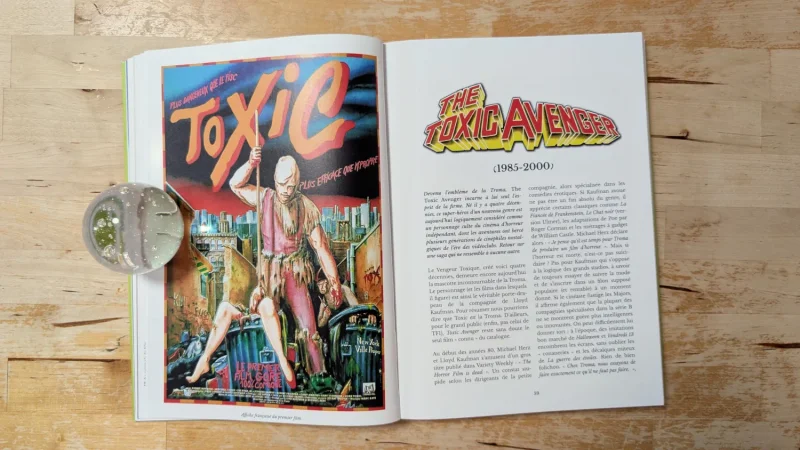
The book chronicles Troma's eclectic filmography, starting with the beloved The Toxic Avenger, which emerged in 1985 from a bold gamble: creating a horror film just as Variety declared the genre dead. Kaufman challenged the industry's trend of chasing popularity, asserting, “At Troma, we try to do exactly what you’re not supposed to do.” This film would become the studio's official mascot, spawning sequels, an animated series, and even a Broadway musical.
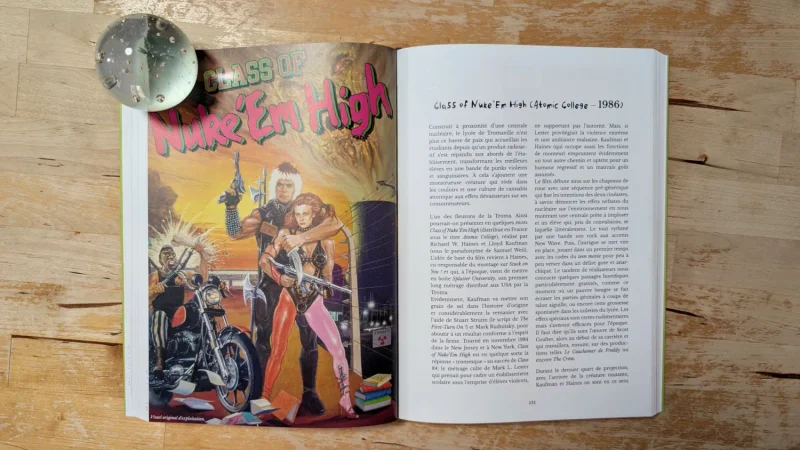
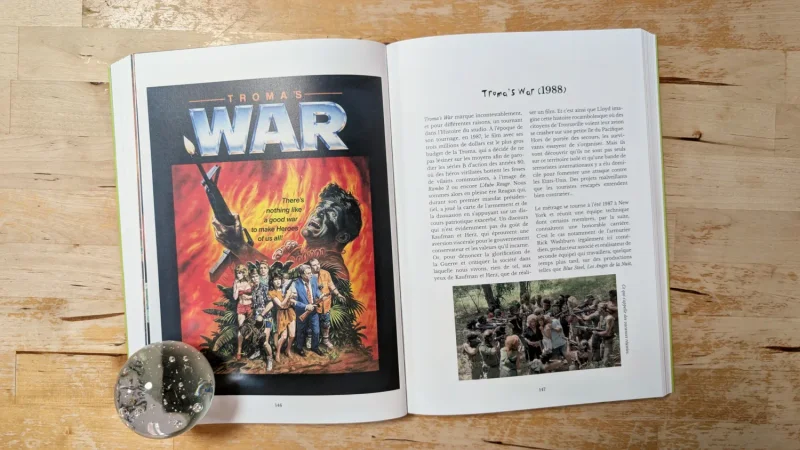
Another highlight is Class of Nuke ‘Em High, released in 1986, which depicts students at a high school near a nuclear plant transformed into violent punks due to a radioactive leak. The book details how Richard W. Haines, fresh off Splatter University, contributed the original concept, which Kaufman then adapted in his unique style. Furthermore, Troma’s War, released in 1988 with a budget of three million dollars—the largest in the studio's history at that time—tackles the glorification of war during the Reagan era amidst escalating militarism and patriotic rhetoric. This political commentary is a hallmark of Troma, and Bargain and Pizzoferrato ensure it is presented as more than just a private joke for unconventional film enthusiasts.
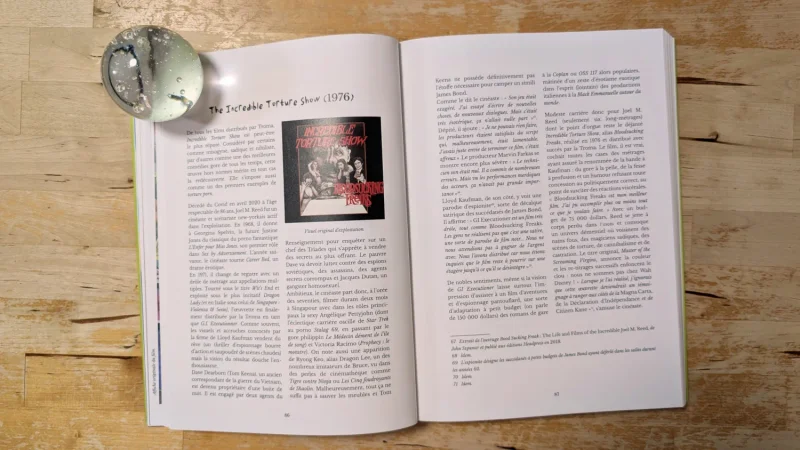
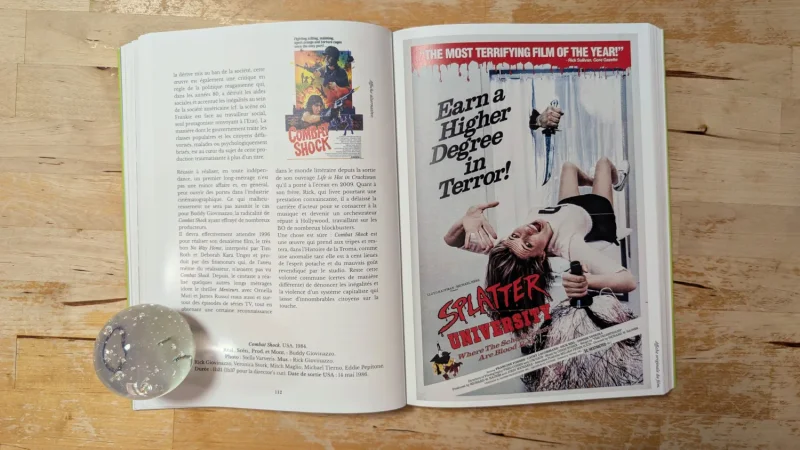
The book does not shy away from the darker and more radical aspects of Troma's catalog. Combat Shock, directed by Buddy Giovinazzo in 1984, is portrayed as an anomaly within Troma's typical style, delivering a stark critique of Reagan-era policies and the treatment of America's working class and broken veterans. Conversely, The Incredible Torture Show, also known as Bloodsucking Freaks, directed by Joel M. Reed, represents the studio's most extreme side, blending torture porn with unabashed humor. Kaufman defends its satirical elements today, stating, “People don’t realize it’s a satire, a kind of parody of film noir.”
Kevin Costner, James Gunn: The Unexpected Talent Pool
Perhaps the most delightful section of the book reveals the astonishing number of future stars who passed through Troma before achieving fame. Kevin Costner got his start in two films acquired by Troma, Malibu Hot Summer and Shadows Run Black, which the studio later re-released as Sizzle Beach USA, capitalizing on Costner's rising fame without his consent. The book recounts how Costner, at the height of his career following Dances with Wolves, was reportedly furious about this.
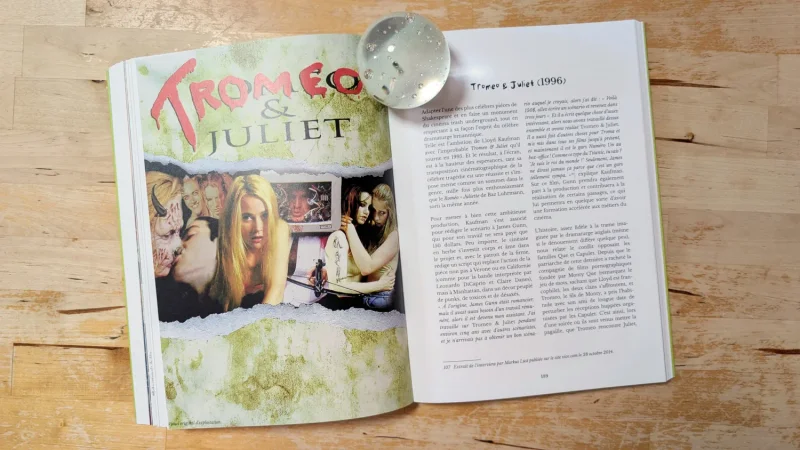
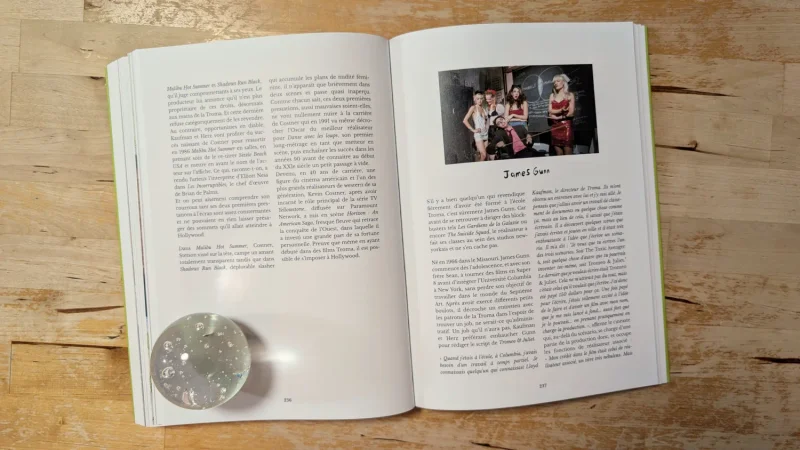
Yet, the most iconic story involves James Gunn, who approached Troma hoping for an administrative role. When Kaufman discovered his writing talent, he offered him $150 to write a screenplay in three days. This collaboration resulted in Tromeo and Juliet, a punk adaptation of Shakespeare filmed in 1995. Kaufman fondly recalls Gunn, who has since become a global box office leader without ever boasting about it: “He would never say that because he’s such a nice guy.”
The Studio Through the Eyes of Those Who Lived It
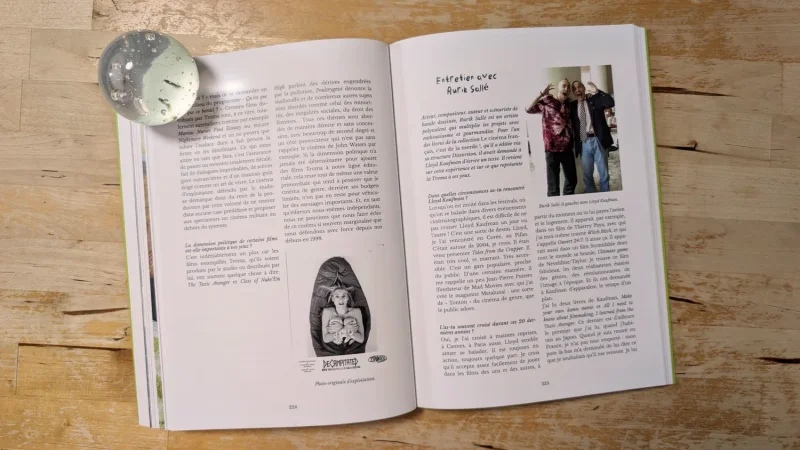
What sets Z comme Troma apart from mere film commentary is its collection of exclusive interviews. Lloyd Kaufman shares candid reflections on his few regrets, his loyalty to aging actors he continues to cast despite budget constraints, and his relationship with fans, stating plainly: “We don’t receive hateful messages, unlike all those Hollywood stars.” The book also features insights from French figures who have interacted with this universe, such as Rurik Sallé, who recounts his encounters with Kaufman at festivals, portraying him as a whimsical uncle of genre cinema, equally charming in South Korea and Cannes.
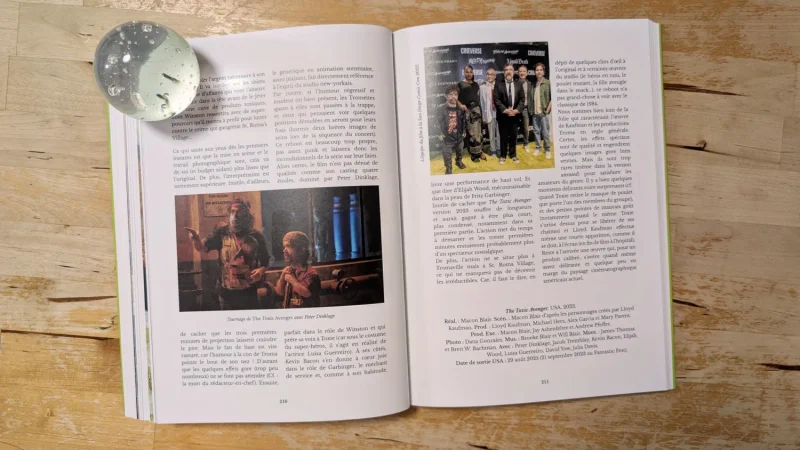
The book concludes with a chapter about the 2023 remake of The Toxic Avenger, featuring Peter Dinklage, Kevin Bacon, and Elijah Wood. The authors provide a nuanced critique: while it is smoother and less punk, with some pacing issues, it still manages to capture moments of the original's outrageousness, particularly through Kaufman's cameo.
Ultimately, the real essence of the book transcends Troma itself. It explores the story of a cinema that has consistently refused to conform, continuing to exist against the tide even fifty years after its inception. This unique perspective makes it a worthy addition to film literature in French.
— Yannick HENRION