Strengthening Hair During Menopause: Tips and Insights
Discover how to strengthen your hair during menopause with essential nutrients and self-care tips. Learn about the hormonal changes affecting your hair and how to combat them.
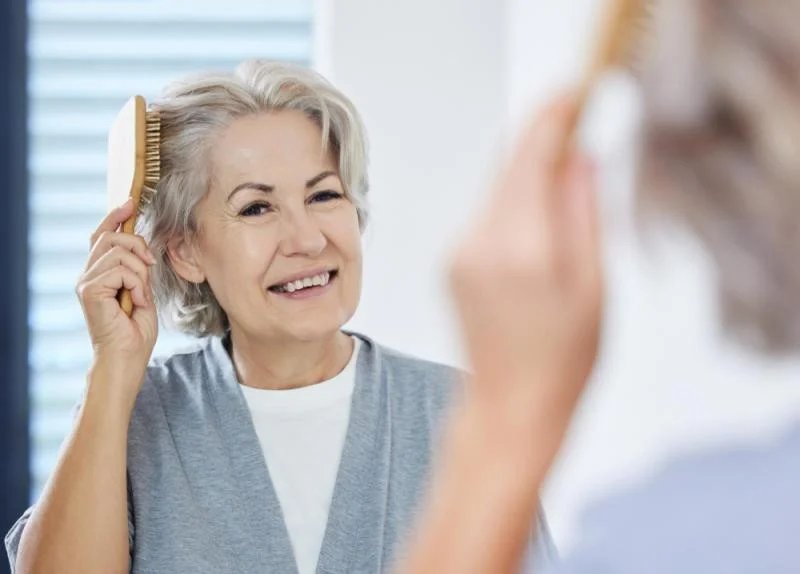
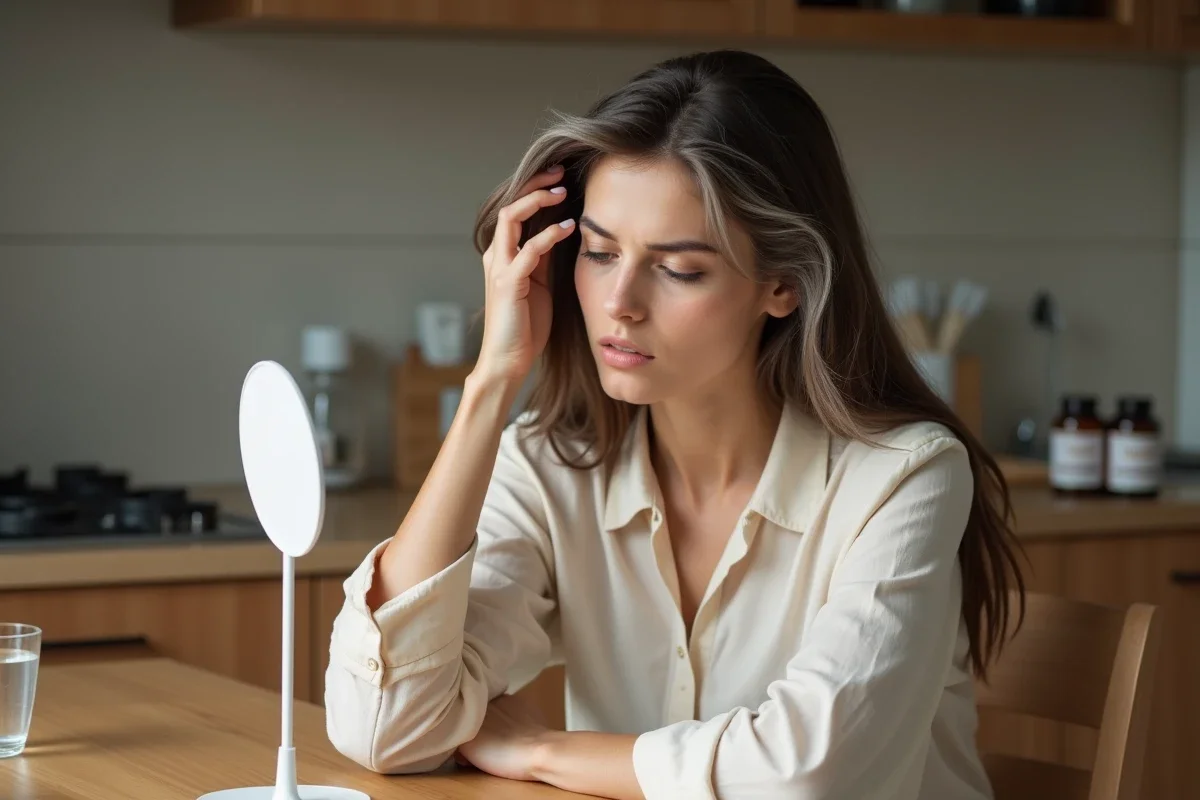
Looking in the mirror lately, you may have noticed that your hair isn't what it used to be. Don't worry, you're not alone, and you're certainly not losing your mind. The feeling that your hair has become thinner, that your ponytail lacks its former thickness, or that you find more strands on your brush has a name and an explanation.
This phenomenon is linked to menopause, a stage of life that many women encounter but few discuss openly. Here, we aim to shed light on this often-overlooked topic with the honesty you deserve.
The Transition No One Talks About
You may feel like everything is coming to an end, but this is simply another phase in life that women are more than capable of navigating. When menopause arrives, the entire body undergoes a process of adjustment. While symptoms like hot flashes and mood swings are frequently discussed, hair changes often go unnoticed until you realize that your once-vibrant locks have lost their vitality. This change is primarily due to hormonal shifts; during menopause, levels of estrogen and progesterone decrease, which directly impacts the hair growth cycle.
As a result, hair may take longer to grow, become more fragile, lose density, and in some cases, experience increased shedding. However, this doesn't mean you have to accept these changes without taking action.
What Your Strands Are Telling You
Hair is a reflection of your internal health. When it appears weak, brittle, or dull, it is signaling that something is amiss. At this stage of life, these signals often point to the need for specific nutrients. Your body requires an extra boost to compensate for hormonal changes, which is where menopause vitamins come into play.
These are not quick fixes, but rather essential nutrients that your body needs to function with the same energy and strength as before. Remember, hair, like the rest of your body, is nourished from the inside out.
The Nutrient Cocktail Your Hair Needs
Certain ingredients should be staples in your routine and are part of the secret to abundant hair:
- Biotin: Strengthens hair from the root and promotes growth, making it a must-have for scalp health.
- Zinc: Crucial for ensuring hair follicles function properly; a deficiency is directly linked to hair loss.
- Iron: Low iron levels can lead to fragile hair that falls out more easily.
- Vitamin D: Its deficiency is associated with decreased hair density, and it is common to have low levels during menopause.
- B Complex: These vitamins serve as the energy drivers for hair; without them, growth can slow significantly.
A well-rounded intake of these menopause vitamins can substantially enhance your hair's health.
Beyond the Vitamin Bottle
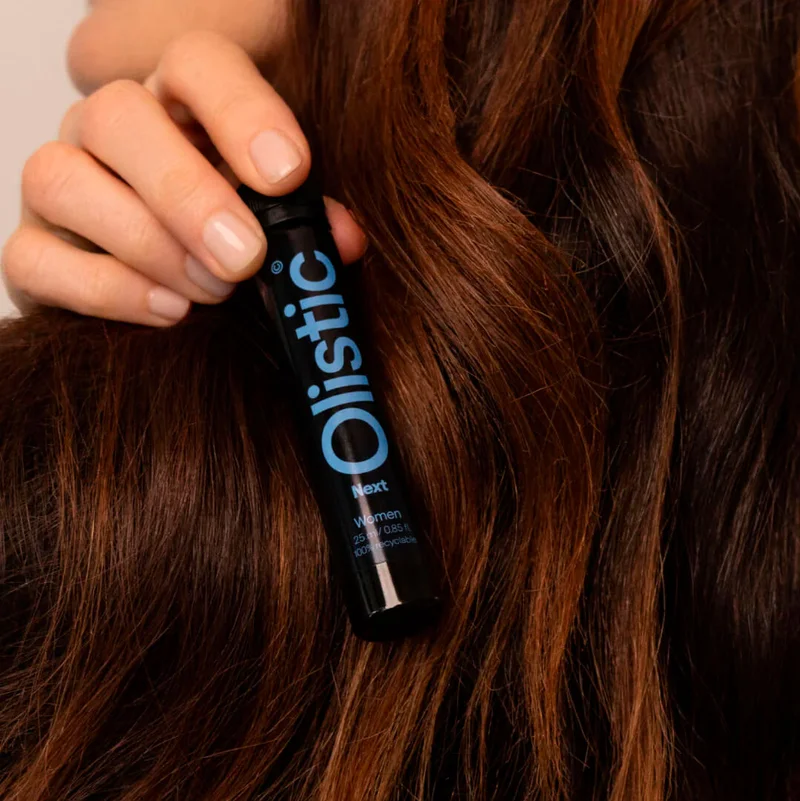
However, not everything can be resolved with supplements alone! The scalp also requires specific care. Gently massaging it while washing, using mild sulfate-free shampoos, and avoiding excessive heat from dryers and straighteners are small changes that collectively help your hair grow long and strong.
Take a moment to reflect on your habits. Stress, for instance, can be a significant adversary, manifesting in various ways. During menopause, cortisol levels can spike, affecting your hair’s health. Finding time to unwind, ensuring adequate sleep, and maintaining a balanced diet can benefit you more than you might think.
A Friend Who Understands Your Journey
Women who have experienced this transition understand that knowledge is power. Being aware of what is happening in your body, why it occurs, and what actions you can take restores a sense of control. This is especially comforting amidst numerous changes.
Thus, it is invaluable to find resources that communicate candidly, with empathy and factual information. Websites like the Olistic Science blog provide precisely this type of content, offering clear explanations and practical advice without empty promises. When navigating this process, what you seek are genuine solutions.
How to Know If You're on the Right Track
A common question is: how can you tell if your efforts are effective? The answer lies in patience, consistency, and observation. Hair takes time to respond to changes, so don’t expect immediate results; improvements will come from the roots. However, you can look for signs such as:
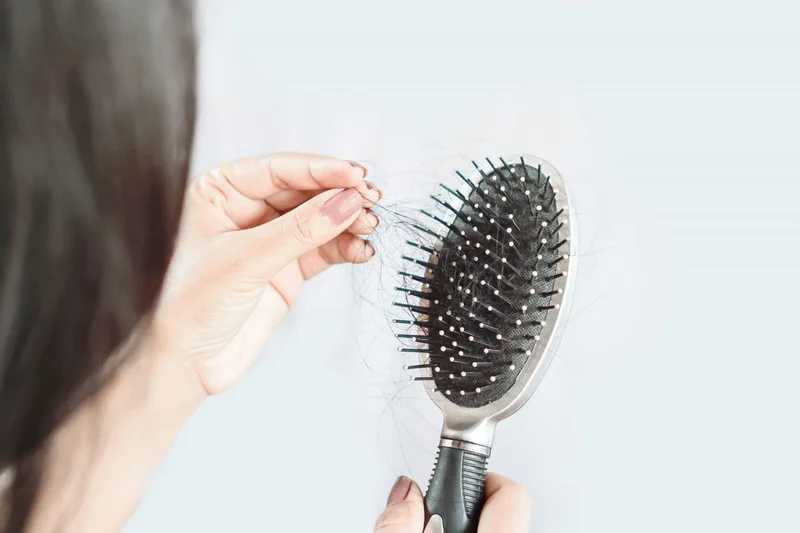
- Noticing fewer strands in your brush?
- Does your hair feel softer and more manageable?
- Are you spotting new growth at the roots?
- Has the shine returned?
If you answered yes to these questions, you’re heading in the right direction. If you haven't seen changes yet, don’t lose hope. Every body has its own rhythm, and the key is to stay committed to your goals.
The Time to Nourish Your Hair is Now
Menopause is not an end but the beginning of a new chapter. It’s a time to better understand your body, to listen to it, and to make conscious decisions about your care. Your hair is an integral part of this journey. Your focus should be on maintaining the healthiest, strongest, and most beautiful hair possible during this new phase of life.
You deserve it. Every stage has its own beauty. And while the body changes, the woman within remains the same: strong, wise, and ready to shine. There are answers available, and you can find many more tips and resources to strengthen your hair during this time, helping you understand better what you need.