23 Years Ago, a Cult Actor's Promising Future in Cinema Was Cut Short
In 2003, China lost one of its icons, destined to become a global star. This article reflects on the broken fate of a magnetic and elegant actor, who was also troubled and melancholic.
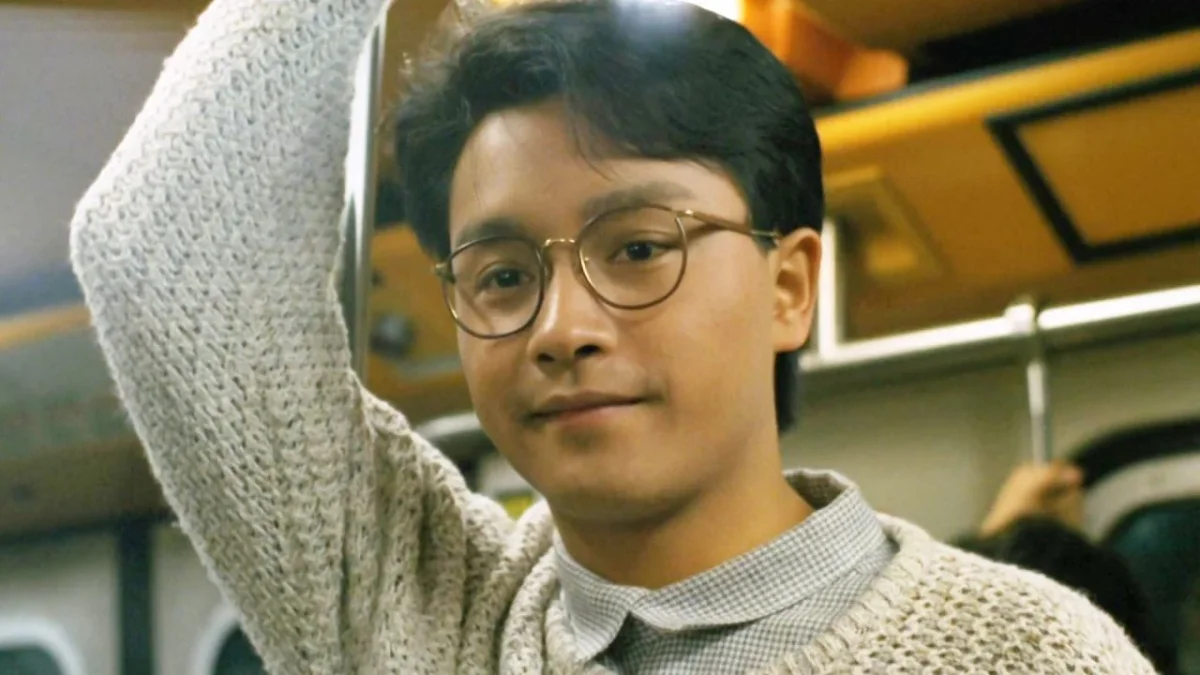
In 2003, China lost one of its most iconic figures, a star destined for global stardom. This article reflects on the shattered destiny of a magnetic and elegant performer, who was also deeply troubled and melancholic.
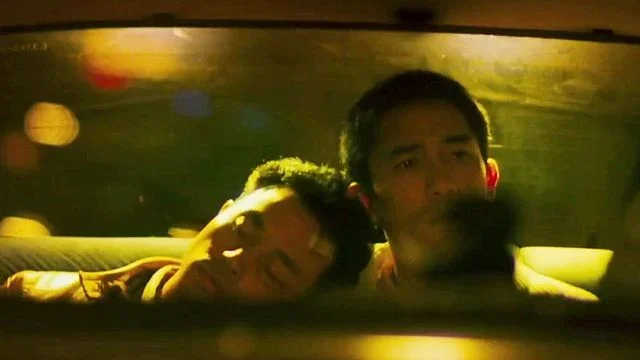
The tragic fate of certain stars can be profoundly moving. The individual we discuss today had the potential to become one of the greatest legends of cinema, yet his life was abruptly cut short on April 1, 2003.
A Multifaceted Artist
Leslie Cheung, born in 1956 in Hong Kong, discovered his talent for singing at a young age, quickly establishing himself in the industry. By the early 1980s, he became a prominent figure in "cantopop," a genre of Chinese music from Hong Kong.
His foray into acting began in the mid-1980s, where he caught the attention of notable directors like John Woo, starring in The Killer and The Heroic Trio. He later collaborated with Siu-Tung Ching in the Chinese Ghost Story series.
In 1990, his partnership with the legendary director Wong Kar-Wai began with Days of Being Wild. The duo would reunite for Ashes of Time in 1994 and Happy Together in 1997. Wong Kar-Wai remarked, "He was a bit ahead of his time and could be both modern and classic."
 Taylor Wong
Moreover, the renowned Tsui Hark also sought him for The Chinese Feast in 1995. Two years prior, Cheung had dazzled audiences in the cult classic Farewell My Concubine, directed by Chen Kaige, which made history as the first Chinese film to win the Palme d'Or in 1993.
A Meteoric Rise
Leslie Cheung received nominations for Best Actor at the Cannes Film Festival in consecutive years: in 1996 for Temptress Moon, also directed by Chen Kaige, and in 1997 for Happy Together. In 1998, he became a jury member at the Berlinale, marking him as the first Chinese personality to hold such a position at the festival.
With remarkable versatility, Cheung effortlessly traversed genres without being confined to any specific one, including romance, thrillers, wuxia, fantasy, comedy, and art cinema. He reinvented himself from role to role, imbuing each character with depth, fragility, and authenticity that resonated with audiences.
Beneath every portrayal lay an actor of exceptional sensitivity, capable of evoking emotion even in silence. While he focused on his music career in the early 2000s, his internal struggles would ultimately lead to tragedy.
On April 1, 2003, one of the darkest nights in China's cultural history unfolded. Leslie Cheung, at the age of 46 and a towering figure in both film and music, was at the Mandarin Oriental hotel in Hong Kong.
The Tragic End of an Icon
Hours earlier, he had arrived alone at the hotel and settled on a terrace overlooking Victoria Harbour. After ordering a drink and spending some time in solitude, he asked for paper and a pen.
At 6:41 PM, Leslie Cheung jumped from the 24th floor window. Despite being rushed to Queen Mary Hospital, it was too late. News of his death quickly spread through a city that had once celebrated him as an icon.
Speculation filled the newspapers, but the painful truth remained: Leslie Cheung battled depression. Shock turned to grief in Hong Kong as thousands of fans gathered to lay flowers and sing his songs in the streets.
For many, it was unfathomable that someone dubbed a legend could vanish so suddenly. On April 1, 2003, the legendary Leslie Cheung left the world behind, leaving a vast artistic legacy. He left behind a poignant letter.
A Heartbreaking Letter
In his final note, he expressed: "Depression! Thank you so much to all my friends. Thank you very much to Professor Felice Lieh-Mak [his last psychiatrist]. This year has been so difficult. I can’t hold on any longer. Thank you very much to Tong Tong [his partner and great love, Daffy Tong]. Thank you to my family. Thank you to Sister Fei. I have done nothing wrong in my life. Why must it be like this?"
Twenty-three years later, the question Leslie Cheung posed in his final message remains unanswered.
Despite the SARS outbreak affecting Asia in 2003 and the World Health Organization's advisories against traveling to Hong Kong, tens of thousands flocked to the city on April 7, 2003, to pay their last respects to Leslie Cheung.
Fans from Asia and North America braved the fear of the epidemic to honor a figure they already regarded as a legend. The following day, Leslie Cheung was laid to rest in Sha Tin during an emotional ceremony attended by artists, family, and admirers.
Tsui Hark, lyricist James Wong, and Jacky Cheung spoke in tribute. Among those who carried his coffin were Stanley Kwan, Tony Leung Ka Fai, and several close collaborators. Three months later, his voice would echo once more.
His final album, Still Following the Wind, was released posthumously. The title took on a tragic resonance, as if Leslie Cheung, in his last breath, had left behind a body of work destined to live on after his departure.
In 2010, a CNN poll ranked him as the third most iconic musician of all time, following Michael Jackson and The Beatles. Quite a legacy indeed!