Alice Belaïdi Reflects on Early Career Regrets and Stereotypes in Cinema
Alice Belaïdi reflects on her early career regrets and the stereotypes she faced in the film industry, discussing her experiences and the changes she advocates for.
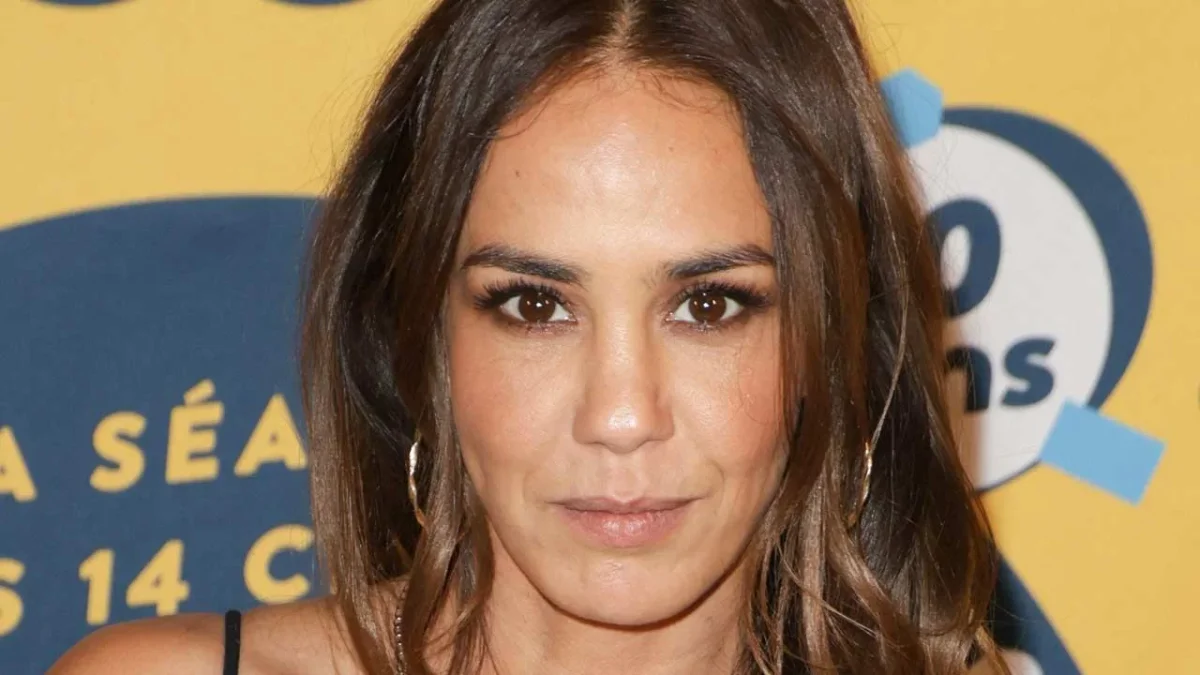
Alice Belaïdi has recently expressed some regrets regarding one of her early roles in film. The actress shared insights on how this particular movie confined her to certain stereotypes and how she subsequently fought to redefine her public image.
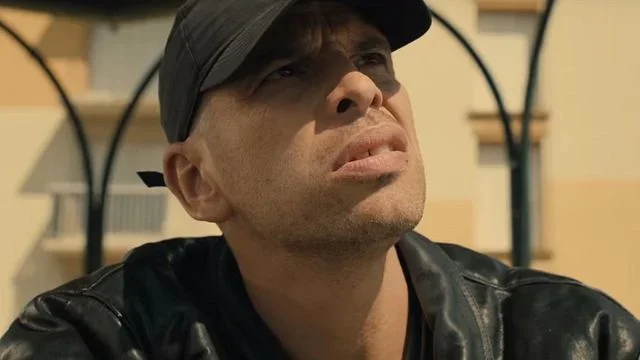
As she prepared to reconnect with audiences in Les Bad Guys 2, Belaïdi took the opportunity to discuss a recurring theme throughout her career: the stereotypes and discrimination she faced, as well as the battles she undertook to assert her identity.
During various interviews over the past few years, she has candidly addressed the prejudices she encountered and the challenges she faced within the film industry.
Labels at the Heart of Her New Film
In the summer of 2025, Belaïdi reprised her role as Diane Foxington, lending her voice once again to the heroine in Les Bad Guys 2, an animated feature from DreamWorks directed by Pierre Perifel.
This sequel follows former criminals as they attempt to rebuild their lives after leaving their life of crime behind. However, when a new wave of heists disrupts the city, all eyes turn to them. The Bad Guys must then prove their innocence and identify the real culprits.
The narrative of second chances, biased perceptions, and hasty judgments resonates deeply with Belaïdi's personal experiences, as she has often articulated the struggle against the preconceived images associated with her.
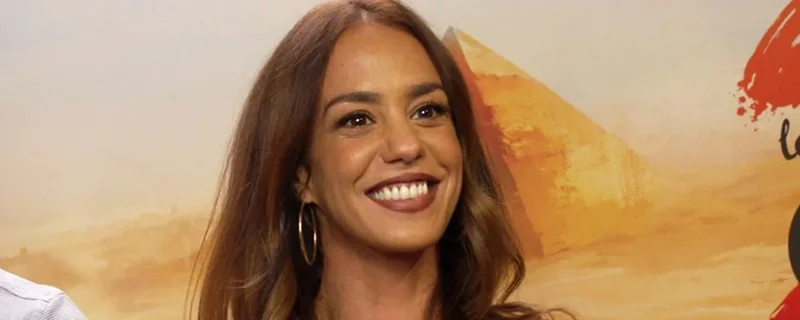 AlloCiné
In an interview, she noted, “I think people always project an image onto you that isn’t necessarily accurate. I’ve tried to navigate through certain images.
In France, being of Maghrebi descent can be quite challenging at times… There’s a tendency to project a very specific image onto you. But that’s life. There’s always something amiss, but I believe you have to live with it and surround yourself with people who accept you as you are, with your differences.”
A Role She Regrets
Belaïdi, who gained immense popularity through Un P’tit truc en plus, previously discussed these issues during her appearance on Alexandre Mars's podcast, PAUSE, in May 2024.
She revealed that she quickly realized the risks of being typecast in roles that relied on clichés. “Les Kaira is one of my first films, and if there’s one film I could regret, it’s that one, because at that time I was just a kid, unaware of how I was being perceived—specifically, playing the ‘Arab of service.’”
She further explained, “Very quickly, my agent guided me on these matters, and the only Arab role I played again after that was in Le Bureau des Légendes. And that made sense to me. There’s nothing black and white in that series. It’s quite intense.
But then I received tons of scripts... ‘Here’s what you’ll play: the Arab who gets cut off by her brother who runs the household,’ and I thought, ‘How did they come up with that? I’ve never had a big brother who ran the house, and I have very few friends who do either. I don’t know where this comes from.’ But my father was the only man at home, and I can assure you he wasn’t the one cutting anything.”
 Gaumont Distribution
Her Testimony on Violence in Cinema
In the same interview, Belaïdi also touched upon the position of women in French cinema. She spoke about the wage disparities between men and women, as well as the inappropriate behaviors some actresses face on set.
In a clip shared on social media from the podcast, she responded to a question regarding the Weinstein scandal and the repercussions faced by women who speak out against aggressors, like Judith Godrèche. Her testimony was unequivocal.
“I’ve experienced some crazy things... I was once sexually assaulted by an actor. And then I was removed from the film because I dared to say no. No, you don’t hold your genitals in front of me like that; you don’t press them against my thigh without my consent. As a result, I was kicked off because, you see, ‘she’s a real pain in the ass.’
There are many predators out there. And we’re still seen as liars or hysterics. When a production or a director refuses to support you, there’s nothing you can do. Fortunately, my agent and my press officer believed me.
I reported this person at the time; I spoke to the production, to everyone. But not to the public. Because the public tribunal is also violent. In the end, he made his film, which flopped. Nobody went to see it. Perhaps that was a form of divine justice.”
Speaking Out Before #MeToo
Long before this interview, Belaïdi had recounted this assault in Technikart back in 2019, coinciding with the release of Budapest. She noted that the Weinstein scandal had profoundly shifted mentalities within the industry.
“Things have changed since the Weinstein affair. Roles are changing, scripts are changing, especially in French comedy, which has always had a hint of misogyny. The scripts I receive now are completely different in that regard. And men will have to get used to being in supporting roles more often (laughs).
Furthermore, I, who have already had an altercation with a predatory actor, have had industry people, particularly producers, reach out to me to discuss this individual. They are now interested in knowing what type of men they might be dealing with, whereas before, nobody wanted to know.
It’s true that in the industry, we didn’t alert the press; we handled it among ourselves. I don’t find it pleasant at all to publicly expose all the sexual predators in French cinema, but I am willing for the industry to be aware and to manage their cases internally.”
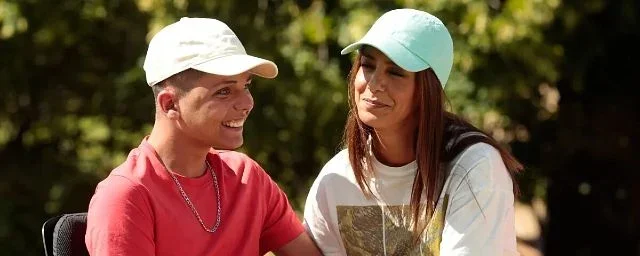 Pan Distribution
She also expressed that behaviors on set have started to evolve.
“It might be a cultural thing, a way of doing things in France. But the important thing is that on set, I’ve felt a change in how men look at things. Before, crude remarks would fly around quickly; now, when a guy speaks poorly, we all make sure he feels really uncomfortable.
This isn’t about washing dirty laundry in public; it’s about showing solidarity. And what’s fabulous is that most of the time, it’s the men who help you in this fight. In my view, #MeToo has clearly put a stop to the war of the sexes.”
A Busy Agenda
As Belaïdi continues to advocate for issues close to her heart, she also maintains a thriving career. In the spring of 2026, she returned to the podcast The Elevate House to discuss the phenomenal success of Un P’tit truc en plus, which marked a turning point in her career. She explained that while this box office triumph didn’t make her wealthy, it did change the industry’s perception of her and solidified her place in the French cinema landscape.
Today, Alice Belaïdi is set to appear in the fourth season of Hippocrate, with filming scheduled to begin in September 2026.
In the meantime, catch her in Les Bad Guys 2, available for streaming on Canal+, or in Un P’tit truc en plus, available on VOD.