
Choosing Between Cardio and Strength Training: Finding the Ideal Workout for Your Goals
Choosing between cardio and strength training depends on your fitness goals. Learn how to optimize your workouts for weight loss, strength, endurance, and overall health.
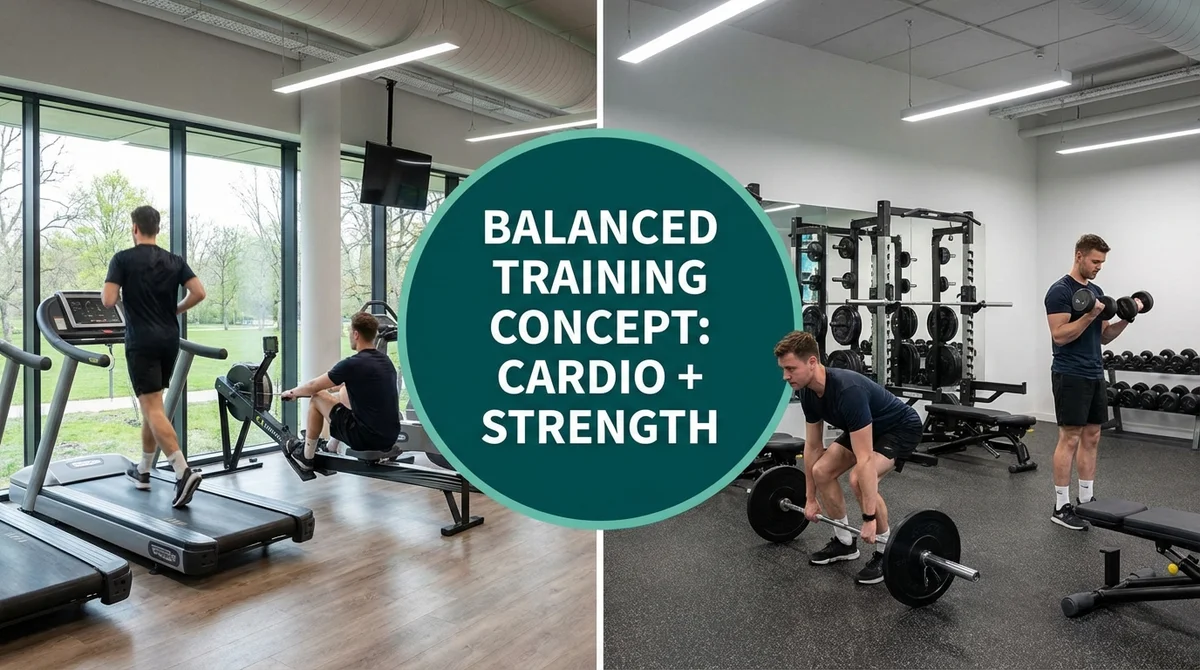
When it comes to selecting between cardio and strength training, the decision is not merely a matter of personal preference. It hinges on what you aim to achieve: whether it's weight loss, increased strength, enhanced endurance, or simply maintaining your overall health. Each training type interacts with the body differently and offers distinct benefits. Cardio elevates heart rate, optimizing calorie burning and improving respiratory capacity. Meanwhile, strength training sculpts muscles, enhances posture, and boosts the resting metabolic rate. Understanding these dynamics allows for a well-informed choice that aligns with specific goals and bodily mechanisms.
In summary:
- Cardio: Promotes rapid weight loss and cardiovascular health.
- Strength Training: Increases resting metabolism, sculpts the body, and builds strength.
- Combination: Ideal for achieving balance between toning, performance, and well-being.
- Session Order: Varies depending on whether the goal is fat loss, muscle gain, or endurance.
- Recovery: A crucial element to prevent overtraining and enhance progress.
Key Factors in Choosing Between Cardio and Strength Training Based on Your Fitness Goals
It's essential to recognize that the choice between cardio and strength training is not solely based on a one-size-fits-all workout plan, but rather on your specific aspirations.
For those aiming for weight loss, cardio serves as an immediate solution, effectively burning calories during the workout. However, strength training provides a lasting effect by increasing muscle mass and promoting a more active metabolism, even at rest. Therefore, a combined approach is recommended for optimal results: burn calories with cardio and then boost metabolism through strength training.
If your goal is to tone and sculpt the body, strength training should take precedence. It reshapes the physique, firms up muscles, and prevents the flabby appearance often seen after significant weight loss. A moderate amount of cardio can help maintain cardiovascular health without undermining muscle strengthening efforts.
For those looking to enhance their cardiovascular health and endurance, regular cardio workouts are irreplaceable. They notably reduce the risk of heart disease and improve daily effort management. However, incorporating strength training sessions ensures a strengthened posture and beneficial muscle balance over the long term.
Finally, individuals seeking to increase strength or gain muscle mass should primarily focus on a structured strength training program. In this case, cardio plays a secondary role, supporting endurance and aiding recovery.

Table: Recommended Order of Cardio and Strength Training Sessions Based on Goals
| Objective | Recommended Order | Justification | |---------------------------|----------------------------|--------------------------------------------------------------------------| | Muscle Gain | Strength Training First | Optimizes strength, maximizes hypertrophy, preserves glycogen stores | | Fat Loss | Cardio After Strength | Enhances post-exercise calorie burn through EPOC | | Cardiovascular Endurance | Cardio First | Improves cardio performance and maximum oxygen consumption (VO2 max) | | General Health | Flexible Order | Prioritizes balance and individual feelings |
Structuring Sessions: A Major Lever for Your Results
The sequence of exercises within a single session significantly influences the program's effects. Performing strength training before cardio allows for energy mobilization to maximize load and effort, enhancing the anabolic peak. Conversely, starting with cardio can deplete glycogen stores, diminishing muscular performance.
Hormonal phenomena also play a role: prior strength training boosts testosterone levels, a key hormone for muscle gain, whereas intense cardio at the outset can lead to cortisol release, a stress hormone that may hinder progress.
Depending on experience, it’s important to adjust the duration, intensity, and order of sessions. Beginners are advised to include a light cardio warm-up before strength training, followed by 15 to 20 minutes of moderate cardio. Intermediate individuals should prioritize strength training before high-intensity interval training (HIIT), while advanced practitioners might benefit from heavy strength sessions with a short HIIT at the end or on a dedicated day.
Practical Tips for Structuring Your Workouts
- Clearly define your goals before prioritizing cardio or strength training.
- Allow sufficient recovery time between combined sessions to prevent overtraining.
- Prioritize strength training before cardio if your targets are strength or muscle mass.
- Use cardio first if your primary goal is endurance or intensive weight loss.
- Choose an appropriate type of cardio: HIIT after strength training for effective calorie burning, or moderate/LISS cardio for recovery.
- Consider your experience level when determining intensity and duration.

Optimizing Balance and Recovery to Preserve Health and Performance
The effectiveness of your workouts also relies on careful management of recovery and injury prevention. Proper technique, adequate hydration, and a nutrient-rich diet facilitate muscle repair. Regularly incorporating lighter phases helps combat chronic fatigue and overtraining.
Thus, separating your cardio and strength training sessions with at least 6 to 8 hours in between optimizes results. This approach minimizes physiological interference and supports recovery capacity.
To delve deeper into recovery and its natural techniques, it may be beneficial to consult dedicated resources that offer tailored tips to meet your needs.
Ultimately, combining cardio and strength training according to your personal objectives transforms your workout into a comprehensive health journey, leading you towards improved fitness and sustainable balance.
You may also like



![Ici tout commence: What to Expect in Episode 1488 on Monday, July 27, 2026 [SPOILERS]](https://glowculturehub.com/cdn/images/b2d3d6d788c39a22a548df320e6d9f77/w1200.webp)