
Insights from the IMCAS World Congress: A Resilient Aesthetic Medicine Market
The IMCAS World Congress reveals the resilience of the aesthetic medicine market, with significant growth projected and insights on patient expectations and industry innovations.
Insights from the IMCAS World Congress: A Resilient Aesthetic Medicine Market
- 18th March 2026
- Thierry PIOLATTO
The aesthetic medicine industry is showing remarkable resilience, even amidst recent market fluctuations. According to studies conducted by IMCAS, the Boston Consulting Group (BCG), and Cetas Healthcare Intelligence, the sector is projected to achieve a turnover exceeding 23.4 billion euros by 2030, with an anticipated growth rate of 30% over the next five years.
The surge in popularity of botulinum toxin, which is quickly becoming the go-to treatment due to its natural results, is a key driver of this growth. Additionally, biostimulators are also gaining traction, while active cosmetics are witnessing a steady growth rate of 7%, bolstered by major beauty corporations.
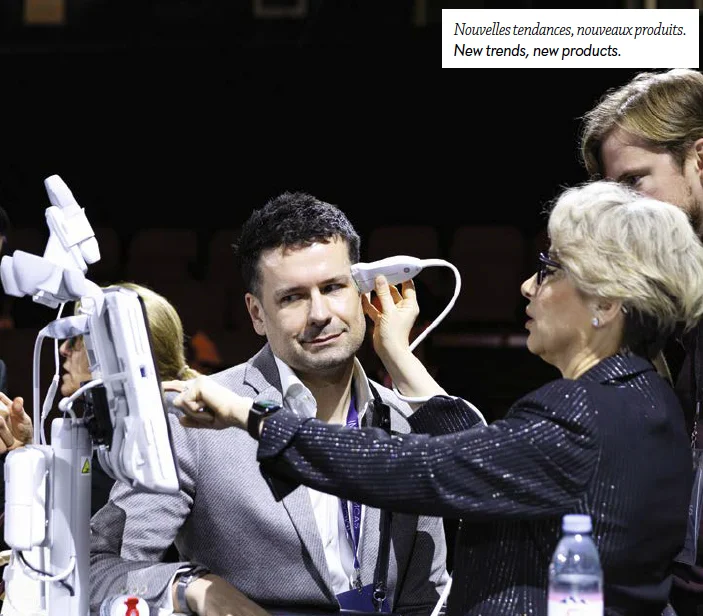
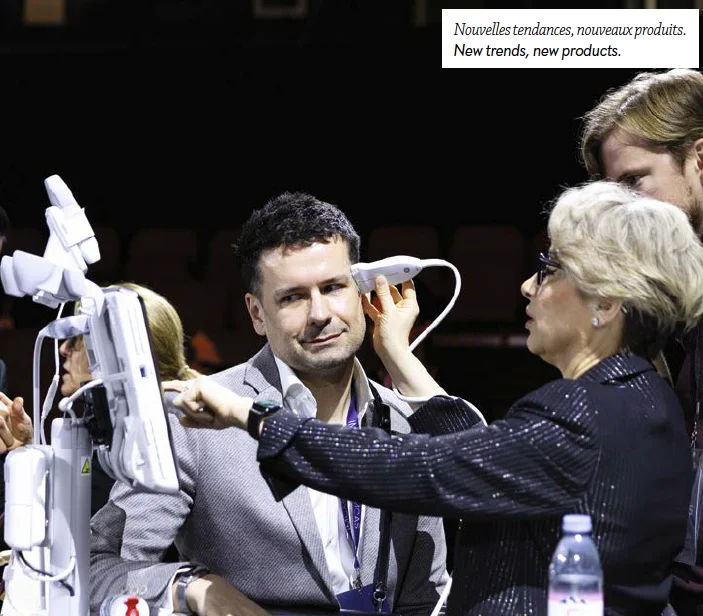
Séverine Dubarry Bardon, CEO of Comexposium Healthcare, highlighted the scale of this year's congress, noting, "We are welcoming 21,700 participants, 400 exhibitors, and 1,145 speakers over 225 sessions. Innovations such as new injectables, including toxins, hyaluronic acid, and biostimulators, will be presented. The ongoing demand reflects the evolving nature of a sector that is firmly established. There is a notable convergence between clinical dermatology, aesthetic medicine, dermo cosmetics, and the broader field of longevity."
Laurent Brones, Director of Corporate Communications & Alliances at Symatese, provided insights into regional market dynamics: "Europe is experiencing moderate growth at 4%, slightly hindered by stricter regulations; the U.S. is at 5%, facing stiffer competition and declining prices; in contrast, the Asia-Pacific region, particularly China, is witnessing impressive growth at 10%, while the UAE maintains a steady growth rate of 7 to 9%."
Sergio Rossi, Senior Partner and Managing Director at BCG, remarked on the evolving patient preferences: "Currently, 76% of patients seek personalized treatment plans, but only 52% of doctors are equipped to offer them."
Dr. Sébastien Garson, scientific director, introduced a new cadaver workshop designed to enhance the educational experience for participants. He noted, "We are utilizing UGC cinemas to improve comfort during sessions, facilitating unique interactions with speakers and deeper discussions on various topics."
Dr. Hugues Cartier, also a scientific director, emphasized the unprecedented growth in dermatology, aesthetic medicine, and plastic surgery. He stated, "Patient expectations are at an all-time high, and we face the challenge of balancing industrial innovation with academic rigor. Patients often come to us with expectations shaped by social media, while doctors navigate multiple roles, from clinicians to technology users and trusted advisors. IMCAS must continuously find a balance amidst these challenges."
While the future of the aesthetic medicine sector remains unpredictable, it is clear that the integration of various therapies will drive significant advancements. These developments must be accompanied by ethical considerations, ensuring that progress aligns with scientific validation and patient care standards.
Previous Article
Next Article
You May Also Like
Input your search keywords and press Enter.