Preventing Shaken Baby Syndrome: A New Educational Kit for New Parents
On National Shaken Baby Syndrome Prevention Day, the Stop Bébé Secoué association is distributing educational kits in 445 maternity wards across France to inform families about the risks and provide solutions for parental exhaustion.
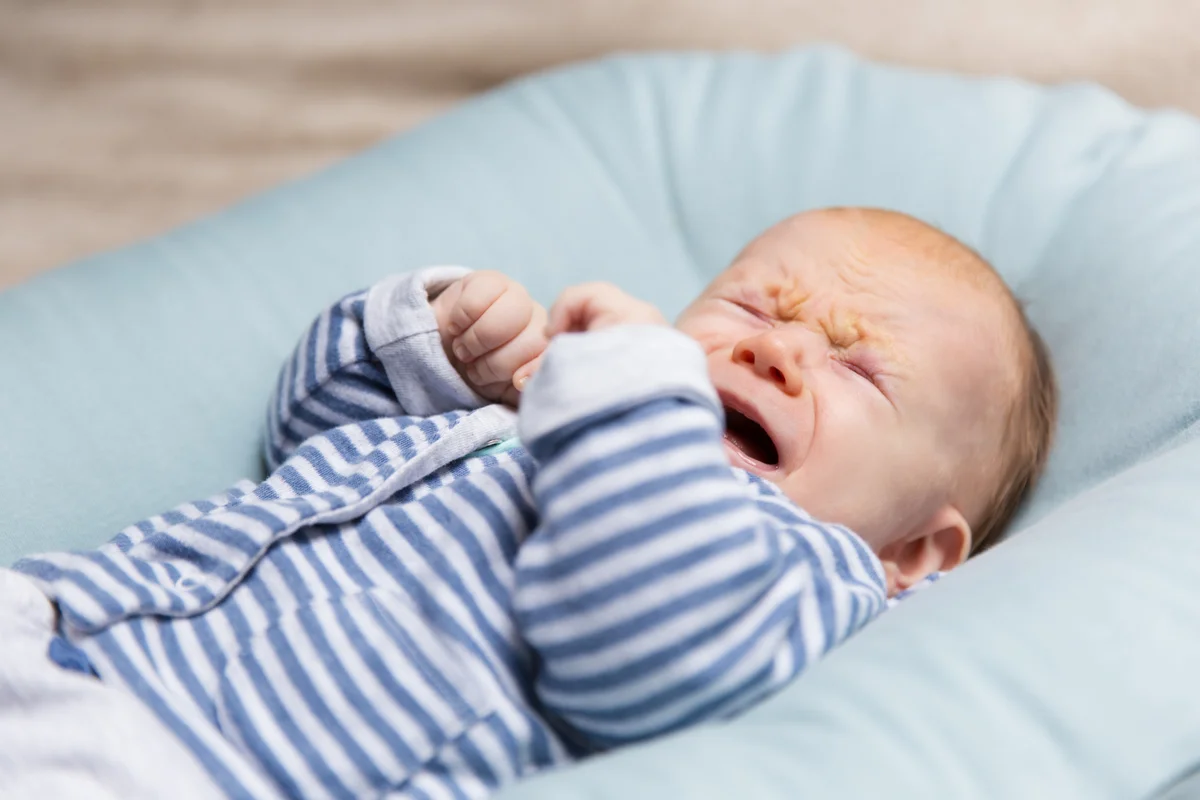
In recognition of National Shaken Baby Syndrome Prevention Day, the organization Stop Bébé Secoué is launching an educational kit across 445 maternity wards in France. This initiative aims to inform families right from the early days of their newborn's life and provide tangible solutions to combat parental exhaustion.
A National Effort to Address a Hidden Issue
Shaken Baby Syndrome remains a largely misunderstood and overlooked issue in France. Every year, at least 500 infants suffer from non-accidental cranial trauma, a figure that the Health Insurance Agency believes is likely underestimated due to the complexities involved in diagnosing such cases. On April 5, 2026, a significant campaign was initiated to ensure that this topic is no longer a taboo when leaving the maternity ward.
The association Stop Bébé Secoué has distributed a comprehensive awareness kit to all maternity hospitals in the country. The concept is straightforward yet vital: take advantage of the hospital stay, a time when parents are particularly attentive and supported, to impart essential knowledge. Under the slogan “One gesture can destroy a life. One word can save it,” this campaign aims to protect newborns as they transition home, a time when parental fatigue often starts to set in.
An Educational Kit Designed to Inform Without Guilt
The prevention kit is primarily educational and user-friendly. It includes badges for healthcare providers and informational leaflets specifically designed to explain the physiological fragility of infants. Parents will learn that a newborn's neck muscles are not sufficiently developed to withstand even brief shaking. When an adult shakes a baby out of frustration, the brain can strike the skull with excessive force, leading to irreversible damage.
The materials emphasize that 10% of affected infants do not survive, while most survivors face severe consequences such as cognitive impairments, vision loss, or epilepsy. By mechanically explaining what occurs within an infant's body during such incidents, the organization hopes to shift perceptions of shaking: it is not merely an impulsive action but one with definitive neurological repercussions.
Recognizing Parental Fatigue as a Risk Factor
A key aspect of this new campaign is its compassionate approach towards parents. It highlights that a baby is at risk in the arms of a frustrated adult. Exhaustion, lack of sleep, and incessant crying can push any parent, even the most loving, to a breaking point. The goal is not to assign blame but to provide an escape route before harmful actions occur.
The crucial advice reiterated in these pamphlets is straightforward yet vital: if you feel you are losing control, place your baby on their back in their crib. This is the safest place for them. It is better to let them cry for a few minutes in a secure environment and step out of the room to regain composure than to remain alone with their distress. The kit encourages families to seek help without shame, whether from a partner, a friend, or professionals such as those from the PMI. For those feeling isolated, resources like Allô Parents Bébé at 0 800 00 3456 or 119 are available for immediate support.
Learning to Recognize Warning Signs for Better Protection
Prevention also targets healthcare providers, who can be the first line of defense against recurrence. On average, a child affected by Shaken Baby Syndrome experiences about ten episodes before an alert is raised. The kit assists healthcare professionals in identifying unmistakable signs: a baby who no longer plays, displays a vacant stare, exhibits a loss of muscle tone, or has unexplained projectile vomiting.
By training maternity and pediatric teams to detect these early symptoms, the hope is to intervene in time to break the cycle of violence. This collective mobilization serves as a reminder that parenting is an endurance sport that requires support. Early education empowers parents with the tools to manage crisis moments and ensures that each return home is equipped with the necessary resources to safeguard the youngest lives.
Taking care of oneself as a parent also means taking care of one’s child. Knowing when to pass the baton or allowing oneself a few minutes of breathing space in another room does not make you a bad parent; rather, it is an essential act of protection.
![Upcoming Episode of 'Ici tout commence': What to Expect on July 28, 2026 [SPOILERS]](https://glowculturehub.com/cdn/images/ed4be09127bac48e6cdfdef85066b1c3/w1200.webp)