
The Sweet Dilemma of Honey in Vegan Cosmetics
Exploring the ethical implications of honey in vegan cosmetics, examining brands committed to sustainable practices and the role of honey in skincare products.
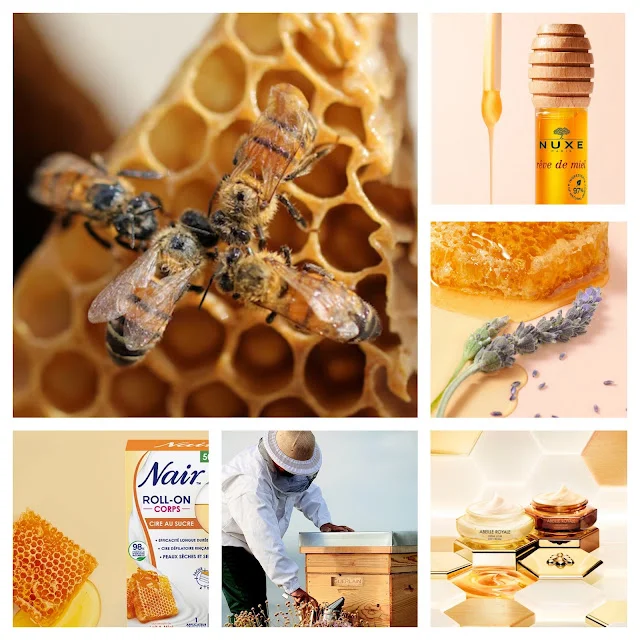
In recent weeks, I found myself caught in a whirlwind of events, from battling a minor illness to managing a busy work schedule during the holiday period. I also celebrated my birthday and enjoyed a short getaway to Portugal. Now that things have settled down, I’m eager to share my thoughts on a topic I’ve been meaning to explore: vegan cosmetics. More specifically, I want to delve into the role of honey in our skincare products.
Before diving into that, let’s clarify what vegan cosmetics really entail. Contrary to popular belief, a product being vegan doesn’t automatically mean it’s natural. For instance, a cream can contain petroleum, mineral oils, paraffin, and glitter, and still be labeled vegan if it lacks animal-derived ingredients. Essentially, vegan means that the product contains no animal ingredients whatsoever.
In reality, most beauty products are vegan by default, as around 90% of them do not include animal-derived components. However, certain ingredients can prevent a product from being classified as vegan, including donkey milk, carmine from cochineals (insects crushed for their red pigment used in many lipsticks), snail slime, and of course, any bee products like honey, royal jelly, and propolis. Personally, I’ve struggled to understand the aversion to bee-derived ingredients until recently, when I began to educate myself on the subject.
Many who adhere strictly to vegan principles argue that consuming honey is a violation of the bees’ rights and a theft of their labor. While it may seem trivial, this perspective makes sense when you consider that bees produce honey primarily for their own sustenance, not for humans to harvest. The ethical implications of honey collection raise significant concerns, especially regarding the conditions under which it’s harvested. Just as in animal farming, there are responsible beekeepers who prioritize the well-being of their bees, and those who do not.
The reality of honey production can be troubling. In many cases, queen bees are culled after just a year to maintain high productivity, despite their natural lifespan of four to five years. Harvesting honey can involve distressing practices, such as smoking the hive to subdue the bees. Additionally, genetic manipulation is often employed to create more docile and productive bee strains, effectively turning them into slaves for human benefit. When bees defend their hives, they risk their lives, as stinging results in their death.
After researching the topic, I found myself reconsidering the use of honey in cosmetics. It’s crucial to approach this issue with common sense and discernment. While I personally consume honey regularly, opting for it over white sugar in my yogurt, I am aware that many commercially available honeys are of poor quality or mixed with other ingredients. Therefore, I make an effort to purchase honey from reputable brands.
My investigation into the honey used in cosmetic products revealed that it is a common ingredient across a vast array of items. I first focused on brands that prominently feature honey in their products. For example, Guerlain’s renowned Abeille Royale line uses honey sourced from the island of Ouessant in Brittany, harvested ethically. The brand appears genuinely committed to bee conservation, engaging in numerous initiatives, including educational programs in primary schools and training aspiring female beekeepers. Their commitment to ethical sourcing practices is commendable.
Next, I explored Nuxe and its iconic Rêve de Miel line. While the brand claims to use high-quality lavender honey from a family-run business in Provence, their lack of transparency raises questions. The term "notamment" in their descriptions suggests there may be other honey sources involved, which could compromise their ethical standards. Although Nuxe collaborates with organizations to support beekeeping, their efforts seem minimal compared to the scale of their production.
Finally, I examined brands specializing in honey-based products, such as Melvita, whose name combines "mel" (honey) and "vita" (life). However, I was surprised to find that their primary conservation effort focuses on protecting turtles in New Caledonia, with little mention of their commitment to bee conservation. This lack of emphasis on honey sourcing and bee welfare is concerning.
As the beauty industry continues to evolve, the conversation around the ethical implications of honey in cosmetics is more relevant than ever. It’s essential for consumers to remain informed and scrutinize the sourcing practices of the products they use. Only through awareness can we ensure that our beauty routines align with our values, particularly in a world increasingly focused on sustainability and ethical consumption.