
Walking for Weight Loss: Myth or Reality?
Walking is an accessible and natural activity that contributes to weight loss. This moderate exercise offers numerous health benefits that can enhance overall well-being and body shape. Discover effective strategies for incorporating walking into your routine.

Walking is an accessible and natural activity that has garnered significant interest for its potential in weight loss. Beyond its simplicity, this moderate physical exercise offers numerous health benefits that collectively contribute to a healthier physique. But how effective is walking in aiding weight loss? Rapid walking, at a pace of 5 to 8 km/h, boosts metabolism and promotes fat burning when done regularly, with sessions lasting a minimum of 30 minutes. However, energy expenditure isn’t solely measured in calories; walking also positively impacts mental well-being, hormonal regulation, and muscle tone.
Results in body transformation often become evident after several months of consistent practice, especially for those who are overweight, as they tend to have more significant room for improvement. Incorporating walking into a daily routine, alongside a balanced diet, presents a gentle and sustainable method for weight loss while maintaining overall body equilibrium.
In this context, weight loss tips emphasize a structured approach: warming up at a natural pace, maintaining a brisk rhythm, and ensuring regularity. All these factors contribute to a holistic strategy for facilitating weight loss without stress or overexertion, allowing individuals to reap the lasting benefits of this physical activity.
Why Walking is a Valuable Ally in Weight Loss
Walking is often underestimated in its ability to aid weight loss, yet it combines effectiveness with gentleness. At a moderate speed of 5 to 6 km/h, this activity can burn between 200 and 400 calories per hour, a range that depends on body weight, terrain, and individual metabolism.
In addition to calorie burning, walking enhances blood circulation, stimulates digestion, and improves stress management. Reduced stress levels can decrease the likelihood of emotional eating, a factor frequently overlooked in dieting. Walking also helps preserve muscle mass while eliminating fat, contributing to a balanced body reshaping.
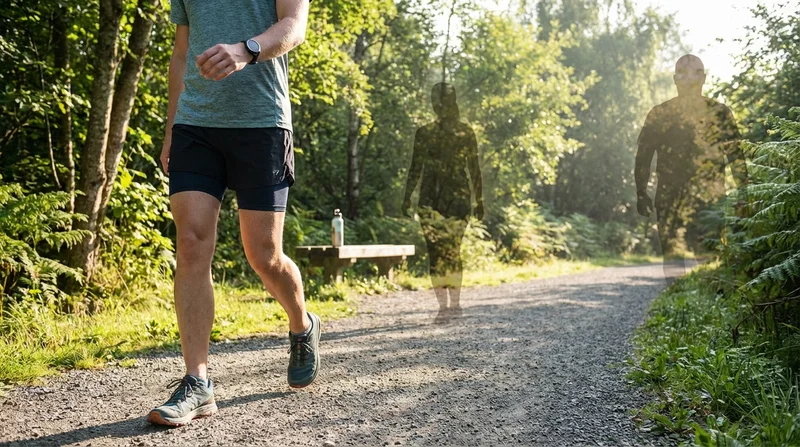
The Effects of Walking on Metabolism and the Body
When practiced for 30 minutes at a sustained pace at least three times a week, the body gradually responds. Breathing improves, and the leg muscles—particularly the thighs and glutes—become stronger. These muscles, once more active, require more energy even at rest, thereby increasing daily caloric expenditure.
This dynamic fosters sustainable weight loss, provided that adequate recovery times are respected to avoid overexertion. Initial benefits can often be felt from the first few sessions, even before visible results on the body appear, which may take three to six months.
How Much Should You Walk to Lose Weight Effectively?
Frequency, distance, and speed are essential parameters to consider. The basic recommended goal is to achieve around 10,000 steps per day, which translates to an average of 7 to 8 kilometers and an energy expenditure of about 300 to 500 calories, depending on individual characteristics.
| Parameter | Recommendation | Estimated Effect | |-------------------|----------------------------|--------------------------------------| | Daily Steps | 10,000 steps/day | 300-500 calories burned | | Walking Speed | 5 to 8 km/h | Effective fat burning | | Duration | Minimum 30 to 50 minutes | Optimizes fat combustion | | Frequency | At least 3-5 times/week | Visible results after 3 to 6 months |
To lose one kilogram of fat, approximately 7,000 kcal must be expended, which, combined with an appropriate diet, requires consistent effort over several weeks. Breaking this activity into shorter sessions, such as three times 20 minutes, can also ease integration into daily life and help maintain motivation.
Weight Loss Tips to Optimize Walking and Its Effects
- Always warm up for 10 minutes at a natural pace before increasing speed to prepare your body.
- Maintain a brisk pace where your breathing quickens but you can still speak, to stay within the fat-burning zone.
- Vary terrains by including inclines or uneven paths that engage more muscles and increase energy expenditure.
- Stay hydrated regularly and adopt a diet rich in fiber and low glycemic index foods to support weight loss.
- Respect recovery times to prevent overexertion and maintain consistent enjoyment of the activity.
Walking, as an accessible and natural form of exercise, provides a practical option for those looking to lose weight without excessive constraints. Its integration into a holistic lifestyle, combined with a balanced diet and regular practice, remains key to achieving lasting and beneficial health effects.
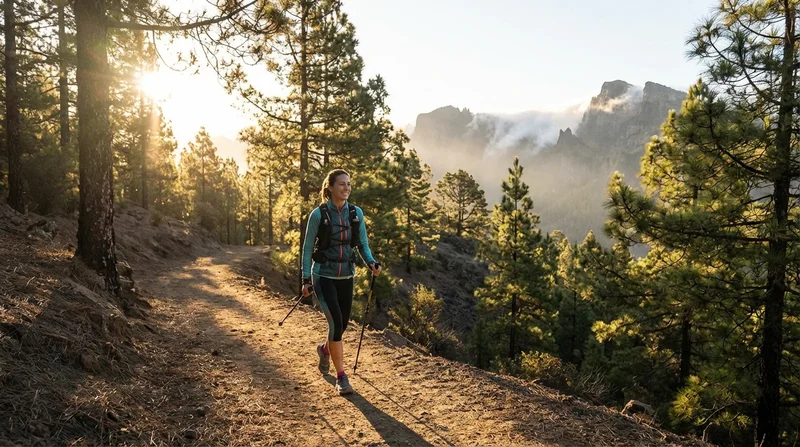
How to Combine Walking with a Healthy Lifestyle for Sustainable Weight Loss
Building a walking routine also involves a better understanding of one’s body and environment. Regular physical activity reduces stress, a common factor in dietary imbalances. Additionally, adopting simple habits, such as choosing natural products in cosmetics and food, can enhance this dynamic. For instance, using brands like Léa Nature or exploring committed organic cosmetics can be an excellent way to engage in a more respectful lifestyle.
Finally, to delve deeper into the benefits of such practices, one can consult dedicated resources, such as articles on natural methods for stress regulation or how to integrate walking into an active and balanced daily routine. With the right practices, this exercise becomes a time for oneself, a source of pleasure and sustainable progress.
You may also like



![Ici tout commence: What to Expect in Episode 1488 on Monday, July 27, 2026 [SPOILERS]](https://glowculturehub.com/cdn/images/b2d3d6d788c39a22a548df320e6d9f77/w1200.webp)