
After Helicopter Parents, Here Come Drone Parents: Ultra-Present, Ultra-Worried
You thought you had seen it all with the figure of the helicopter parent, always ready to hover over their offspring to intervene at the slightest problem? Technology and social pressure have given birth to an even more stealthy and invasive version: the drone parent. In wanting to map out every inch of their children's journey, many adults end up exhausting themselves and undermining the autonomy of the younger generation.
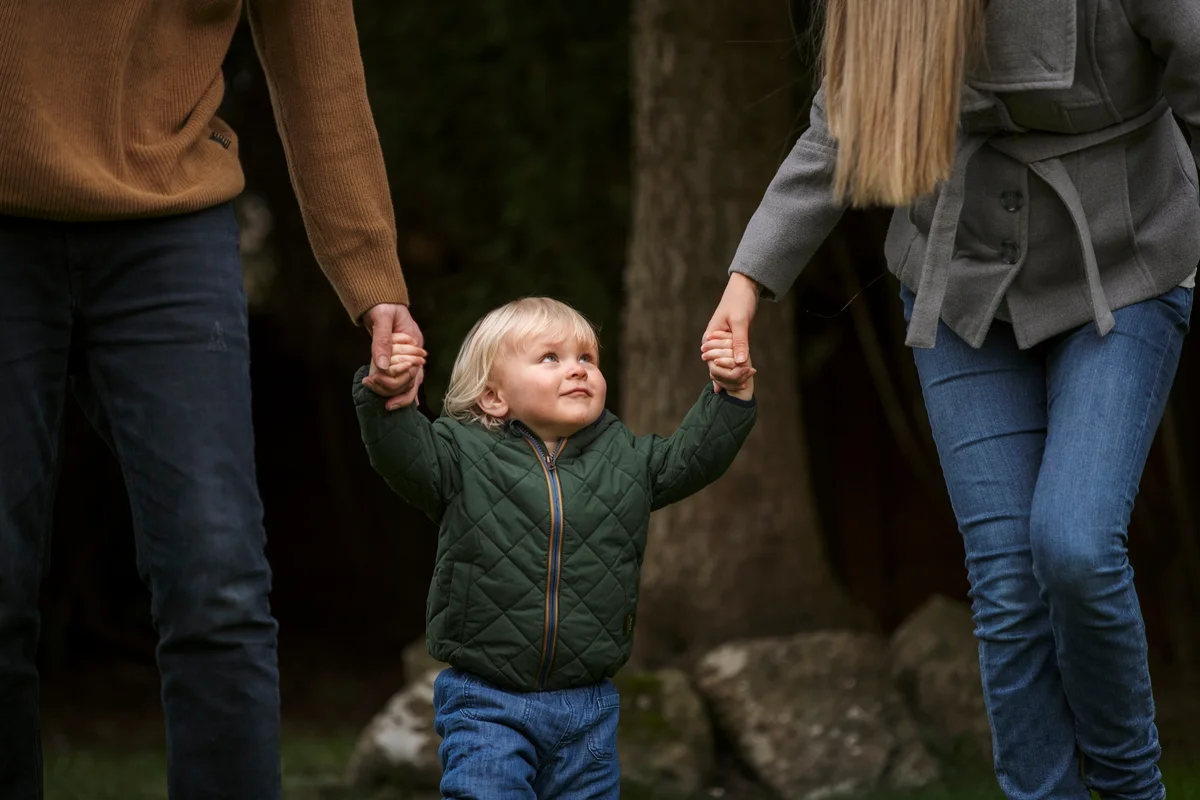
You thought you had seen it all with the figure of the helicopter parent, always ready to hover over their offspring to intervene at the slightest problem? Technology and social pressure have given rise to an even more stealthy and invasive version: the drone parent. In wanting to map out every inch of their children's journey, many adults end up exhausting themselves and undermining the autonomy of the younger generation.
Technology Transforms Surveillance into Permanent Control
The helicopter parent made noise, intervening visibly by playing taxi or scheduling meetings with teachers at the first sign of a bad grade. The drone parent, on the other hand, operates in a much quieter and continuous manner. Thanks to geolocation apps, parent WhatsApp groups, smartwatches, and real-time grade tracking on digital platforms, control has become invisible yet total.
Everything is anticipated, movements are checked down to the minute, and sometimes parents secretly intervene to resolve conflicts or negotiate a grade on behalf of the child. This hyper-parenting, theorized by educational psychologist Bruno Humbeek as a desire to act as perfect parents to ensure their child's total success, has intensified in a world perceived as increasingly competitive and uncertain. In the face of crisis and academic pressure, the family cocoon becomes a bubble that one wants to seal against the harshness of the outside world.
Wanting to Smooth Everything Out Denies Children Their Emotional Immunity
This quest for constant optimization has a major psychological cost for children. Whether referred to as drone parents or snowplow parents (those who actively clear all obstacles from the path), the findings of developmental psychology researchers remain the same. By depriving children of the experience of moderate stress, frustration, or failure, we prevent them from strengthening their resilience.
Recent studies show that this overprotection is paradoxically linked to a surge in anxiety and depression among adolescents. Psychologist Didier Pleux emphasizes that by constantly meeting all immediate needs, we create an intolerance for effort. Faced with the slightest setback in adulthood, these hyper-protected children find themselves helpless, unable to make decisions without the validation of a third party. The implicit message sent to the child becomes toxic for their self-esteem: "I do it for you because you are not capable of doing it alone."
Learning to Tolerate Discomfort is the First Step Towards Letting Go
To break this vicious cycle that exhausts both adults and children, the solution does not lie in indifference but in a change of posture. Sociologist Michel Fize suggests swapping the helicopter parent role for that of a ULM parent: discreet, light, present only when the situation truly requires it.
To achieve this, one must first work on their own tolerance for frustration. Seeing your child fail a science project, forget their lunch, or not be invited to a birthday party creates legitimate discomfort for the parent. Practicing mindfulness allows one to observe this urgency to intervene without immediately giving in. By setting clear limits on our interventions (only in cases of real danger or explicit requests for help), and reframing these small daily failures as wonderful learning opportunities, we give the child the necessary space to grow.