
Fan, Air Conditioning, Humidifier… The Safest Method for Your Baby's Room During Summer
When the thermometer goes haywire, seeing your baby sweat in their crib can stress even the calmest parents. Fortunately, fans and air conditioning are not to be banned, provided that a few essential safety rules are followed. Here’s a practical guide to keeping your infant's room cool throughout the summer.
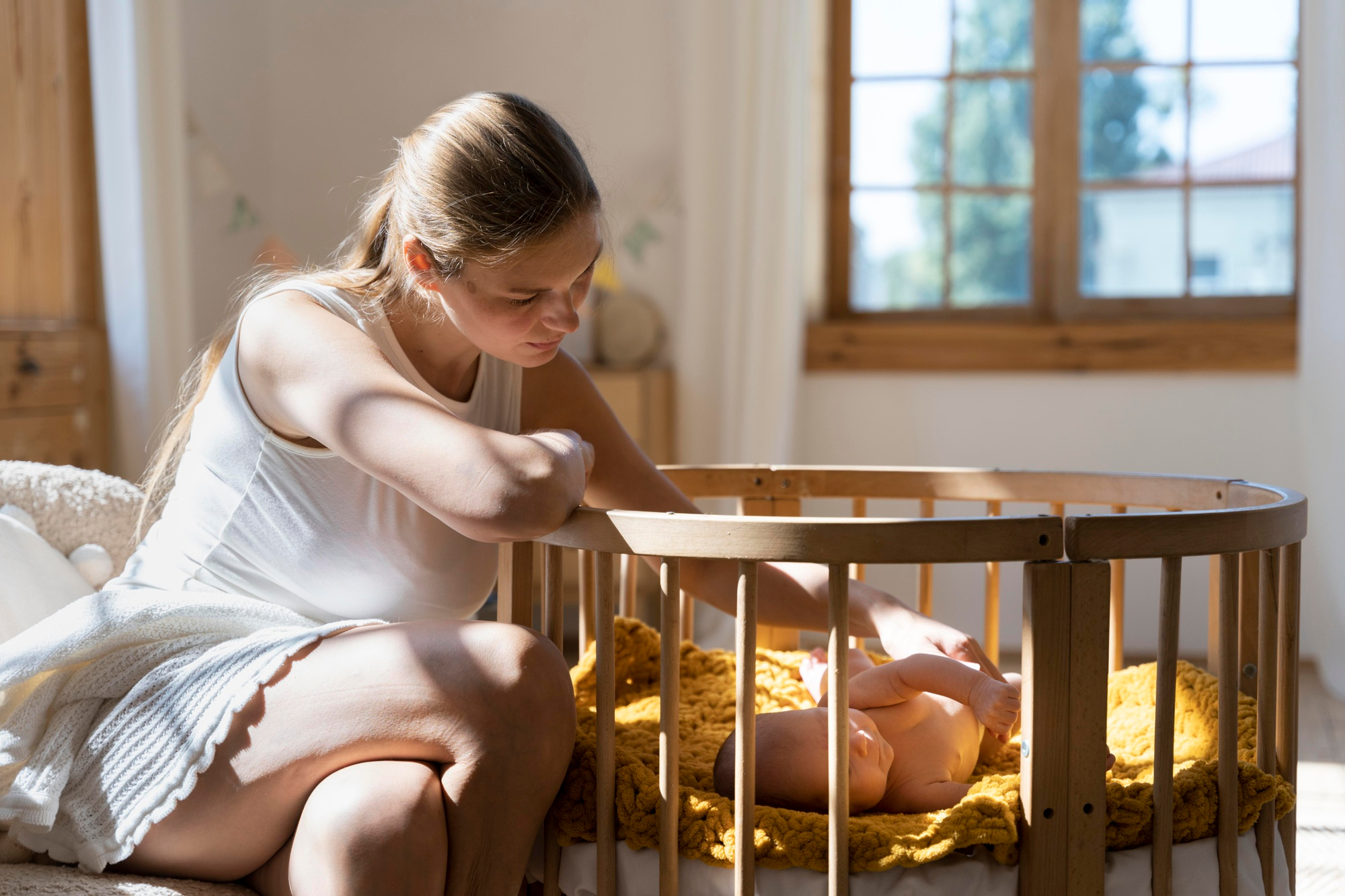
When the thermometer goes haywire, seeing your baby sweat in their crib can stress even the calmest parents. Fortunately, contrary to popular belief, fans and air conditioning are not to be banned, provided that a few essential safety rules are followed. Here’s a practical guide to keeping your infant's room cool throughout the summer.
The Fan Protects Infant Sleep Under Certain Conditions
French medical authorities fully endorse the use of fans. The website mpedia.fr, managed by the French Society of Pediatrics and the AFPA, explicitly recommends it but sets an absolute limit: the airflow should never be directed directly at the child. By orienting the device towards a wall or window, you create a gentle circulation that avoids drying out the baby’s delicate mucous membranes. An American study published in 2008 by Coleman-Phox even highlighted an observational correlation between the use of a fan during sleep and a 72% reduction in the risk of sudden infant death syndrome, linked to better expulsion of exhaled carbon dioxide.
To increase the effectiveness of your setup, you can place a damp cloth or a frozen water bottle just in front of the grille to diffuse a cooler breeze. Just ensure that the grille has very fine mesh and keep electrical cords out of reach. However, the Health Insurance reminds us that the fan should be turned off if the room temperature exceeds 32 °C, as the circulated air becomes too warm and increases discomfort. Above 36 °C, Santé publique France and the WHO actually advise against its use.
Air Conditioning Should Be Used in Moderation to Avoid Thermal Shock
The myth that cool air instantly causes a cold is persistent, but medicine reminds us that these infections are of viral origin and not thermal. Air conditioning proves to be very useful during heat waves, provided that we avoid abrupt temperature changes. Santé publique France and the Health Insurance recommend setting the thermostat to a maximum of 5 °C below the ambient temperature of the house. For its part, ADEME advises not to exceed a difference of 5 to 7 °C with the outside.
To best protect your infant, install the unit away from the crib and ensure that cold air never blows directly on the cradle. An effective tip is to cool the room intensely two hours before bedtime, then completely turn off the system when placing the child down. Remember to monitor the humidity level, which should ideally fluctuate between 40 and 60% to prevent the air from becoming too dry. Finally, regular cleaning of the filters is mandatory to eliminate dust and reduce the risk of bacterial proliferation, particularly legionella, which thrive in stagnant water between 25 and 43 °C.
The Ceiling Fan is the Perfect Compromise
If you are looking for a sustainable and less energy-consuming alternative to air conditioning, a ceiling fan is an excellent option. Unlike mobile models, it circulates the entire volume of air in the room evenly and gently. This system can lower the perceived temperature by 1 to 3 °C without generating uncomfortable drafts for a little one.
However, be careful, as the blades of a ceiling fan must be installed at a minimum height of 2.30 meters from the floor. Installation should preferably be done by an electrician to ensure electrical compliance and to make sure that the ceiling support is strong enough. If your budget or housing situation does not allow for this, a classic standing fan remains an excellent alternative.
Monitoring the Child Takes Precedence Over Technology
Even before equipping yourself with technology, combating the heat starts with simple gestures. Close the shutters early in the morning to block the sun and ventilate at night. If the room temperature exceeds 25 °C, let your child sleep in light clothing. To check if they are overheating, touch their neck: if it is damp, your baby is too hot.
Also, remember to hydrate them regularly. Offer milk on demand before 6 months, and water every hour thereafter. You can also give them lukewarm baths between 34 and 35 °C to lower their body temperature, but never go below this threshold to avoid the risk of chills or convulsions. Call emergency services if you notice critical signs: high fever, abnormal drowsiness, refusal to drink, dark urine, or changes in skin color. Stay attentive and trust your parental instincts to enjoy a cool and relaxed summer.