
Noise in Daycare: Daily Clamor Threatens Language Development in Young Children
A major British study published in February 2026 reveals the unsuspected impact of background noise in daycares on speech learning in children under two years old. While in France the acoustic issue often focuses on the well-being of professionals, this research offers simple and cost-effective solutions to broaden the linguistic horizon of the youngest.
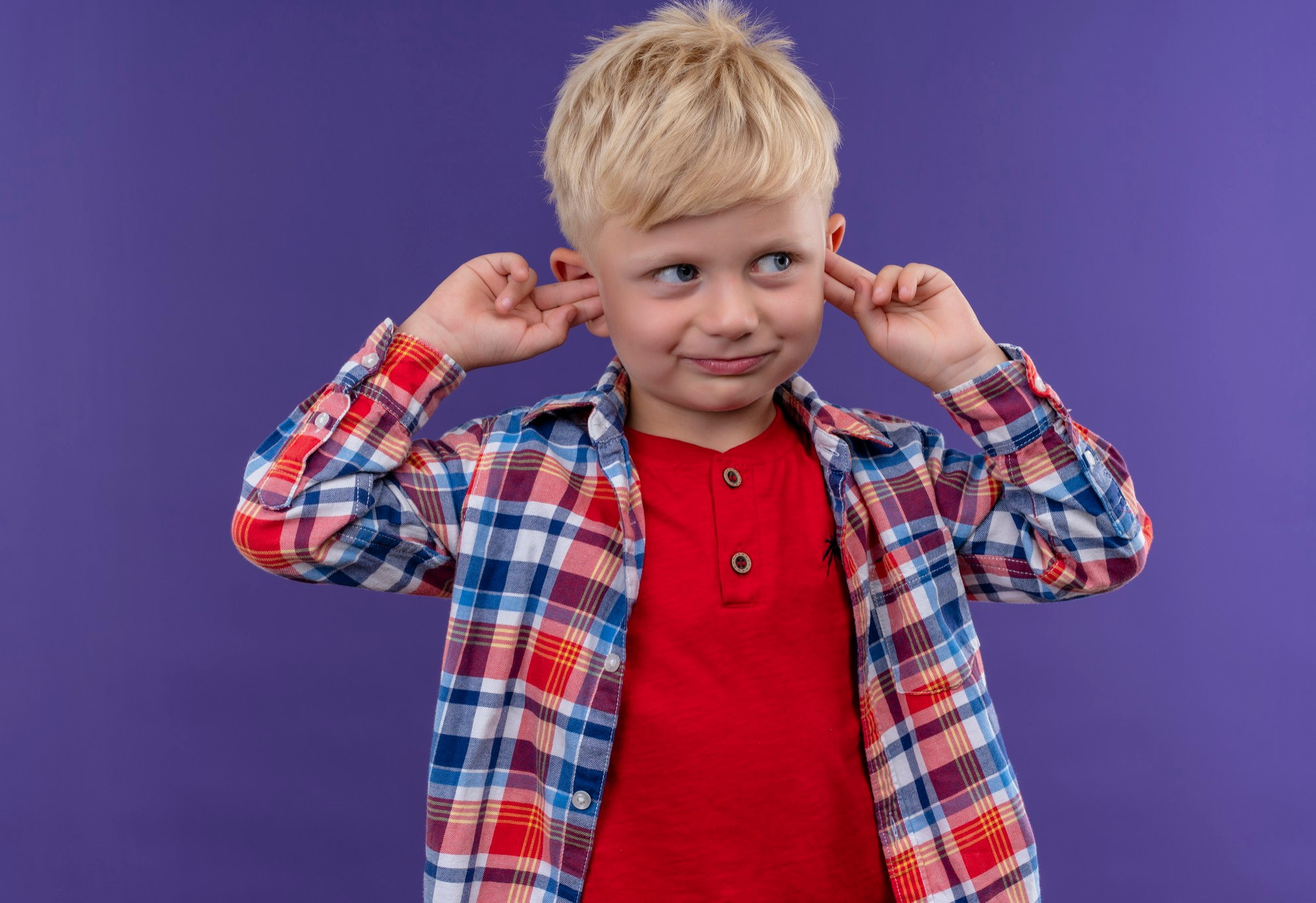
A major British study published in February 2026 reveals the unsuspected impact of background noise in daycares on speech learning in children under two years old. While in France the acoustic issue often focuses on the well-being of professionals, this research offers simple and cost-effective solutions to broaden the linguistic horizon of the youngest. Here’s what’s really happening in daycare sections.
Children's Brains Struggle to Filter Sound Chaos
Between 12 and 24 months, children go through a pivotal period where words accumulate and first associations form. At this age, the brain functions like a sponge, but it still lacks an essential skill that adults possess: the ability to naturally dissociate a human voice amid constant clamor. This is the starting point of the work conducted by the Institute for the Science of Early Years at the University of East London. Supported by the Nuffield Foundation, this study highlights a striking figure: nearly 1.9 million children in the UK suffer from early language delays, a rate that doubles in disadvantaged environments.
The consequences of these initial difficulties far exceed the scope of first words. Scientists remind us that an early communication delay increases the risk of falling behind in mathematics by eleven times by the age of 11. In the long term, these gaps also significantly increase the risks of mental health issues and precariousness in adulthood. Therefore, the stakes go beyond the mere tranquility of play areas.
Research Comes Down to Stroller Level
To precisely understand how noise interferes with learning, the research team follows 250 children in ten daycares in underprivileged neighborhoods. The originality of the project lies in the use of lightweight portable microphones, cameras, and physiological sensors attached to the little ones. This approach allows for real-time, minute-by-minute measurement of verbal interactions and children's reactions to sound fluctuations, far from simple static decibel measurements that do not reflect lived reality.
Gemma Goldenberg, who leads this research, emphasizes that this study has the potential to radically transform the design and management of early childhood structures. The goal is to identify the components of noise that most hinder communication in order to formulate national policy and architectural recommendations.
Simple Actions Can Break the Sound Barrier
Good news for field teams, the solutions tested by researchers do not require colossal budgets or heavy restructuring. The study focuses on low-cost acoustic adjustments combined with targeted training for early childhood professionals. They learn to modify the impact of their communication by adjusting their speech rhythm, ensuring their face remains fully visible, and relying more on gestures.
The effectiveness of these practices is measured through a randomized controlled trial, the most rigorous method in science. By making the speech signal clearer, professionals help children capture essential sounds without their attention being exhausted trying to sort through the noises of chairs, toys, and crying.
France Still Focuses Too Much on Adult Comfort
On our side of the Channel, awareness is progressing at a different pace. Noise within childcare structures is indeed identified as a public health issue, but it is mostly approached from the perspective of occupational health. Regulations, for example, set protection thresholds for employees at 80 decibels over an eight-hour day to limit fatigue, stress, and chronic headaches among professionals.
However, the well-being of teams and that of children are inseparable. Improving the acoustics of daycares and adapting our communication methods represents a direct investment in the future and equal opportunities for the youngest. By providing a calm sound environment for toddlers, we finally give them the means to hear, understand, and take ownership of the world around them.