Brown Spots on the Face: I Tested 5 Solutions Over 4 Months and Here’s What Worked
After four months of testing five approaches to treat brown spots on my face, I've detailed the most effective solutions, key ingredients, and essential routines to achieve a clearer complexion.
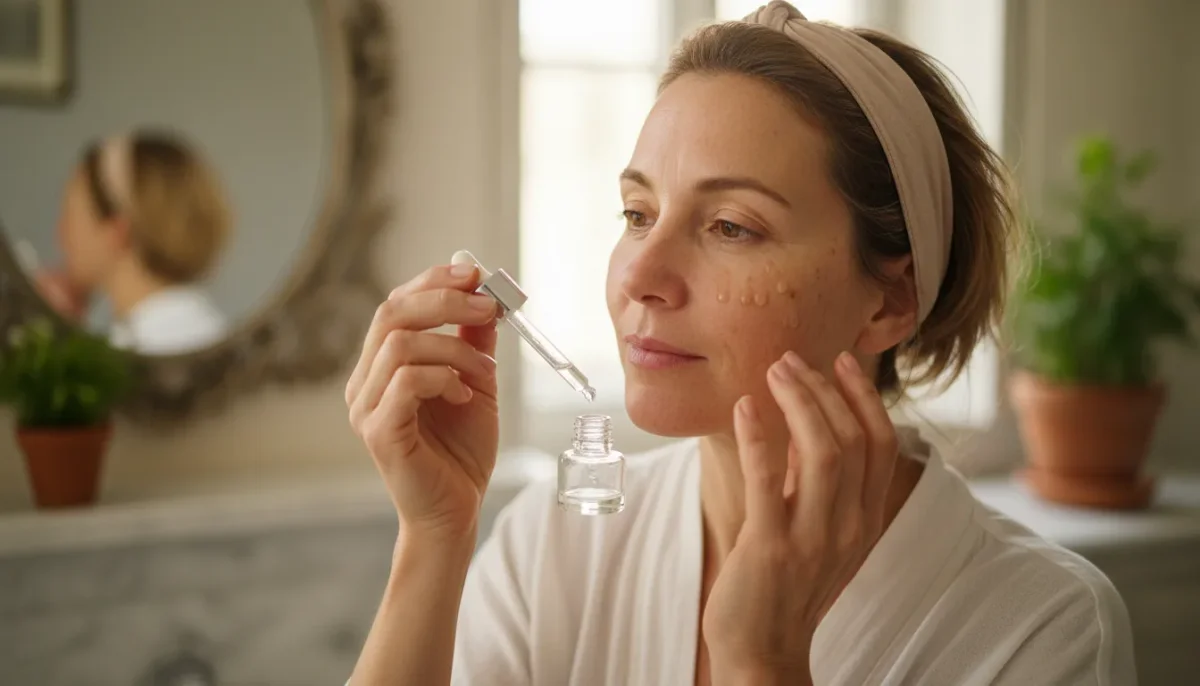
In September 2025, after a rejuvenating two-week trip to Corsica, I returned home with a sun-kissed glow. However, just three days later, in the harsh morning light of Paris, I discovered three small brown spots on my right cheek. They were not large, but they were unmistakably there, accompanied by another near my left temple and two on the back of my hand.
Having spent two summers under the sun without adequate protection, I recognized the culprit: melanin overproduction. At 43 years old, it seems these "gifts" from the sun are starting to settle in for the long haul. Over the next four months, I tested five different approaches: a leading market reference, a pharmacy version, an active DIY solution, an oral treatment, and a dermatologist consultation. Here’s my honest comparison and the solution that I continue to use.
Cet article contient des liens affiliés. Mon classement reflète mon expérience personnelle, pas une rémunération.
Key Takeaways
- Main Cause: UV exposure (90% of cases), not age itself.
- Effective Ingredients: niacinamide, viniférine, kojic acid, azelaic acid, melasyl.
- Timeline: 8 to 12 weeks to see fading, 4 to 6 months for a significant effect.
- Best Value Winner: combined topical serum + oral treatment with Biovancia Juvecia.
- Absolute Essential: daily SPF 50; otherwise, all efforts are in vain.
- Dermatologist Consultation: advised if no improvement after 4 months or if hormonal melasma is present.
Understanding Brown Spots
The first misconception to dispel is that brown spots are solely a result of aging. They actually stem from cumulative UV exposure. As we age, we accumulate more sun exposure, leading to concentrated melanin in certain areas. This is a mathematical reality, not a biological one.
Three primary causes contribute to brown spots:
- UV Exposure (90% of cases): Prolonged unprotected exposure, intensive vacations, skiing without sunscreen, and summer office parking. This results in solar lentigines, which appear on exposed areas like the cheeks, forehead, and hands.
- Hormones: Pregnancy, birth control pills, and menopause can lead to melasma, which is more diffuse and often symmetrical across the forehead, high cheekbones, or above the lip.
- Skin Inflammation: Conditions like acne, eczema, or injuries leave post-inflammatory spots, which are generally lighter and easier to treat.
Identifying the type of spot is crucial as it changes the treatment strategy. Solar lentigines respond well to topical serums, while melasma can be more resistant and may require dermatological interventions. Post-inflammatory spots often fade on their own.
What Your Spots Indicate: If they appeared after summer and are located on exposed areas, they are likely solar lentigines. If they are symmetrical and emerged during pregnancy, it’s probably melasma. The treatment approaches for these two differ significantly.
Effective Ingredients Backed by Research
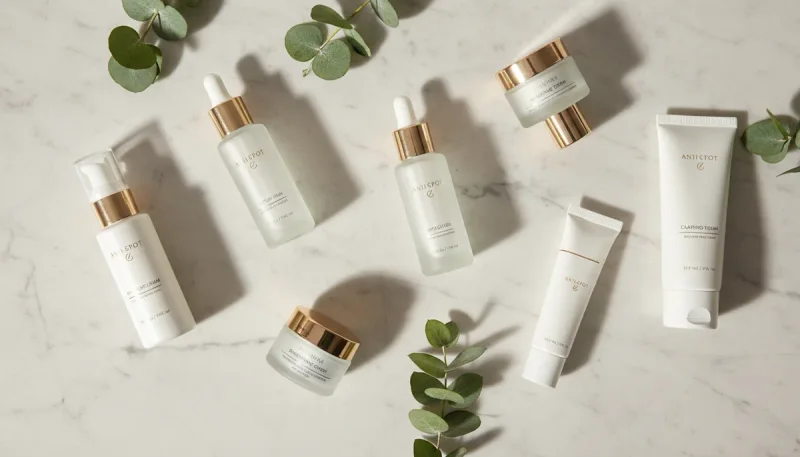
The market is flooded with products claiming to eliminate brown spots, but only a few ingredients have been validated through serious dermatological studies. Here are the truly effective actives and where to find them.
| Active Ingredient | Mechanism | Proven Effectiveness | Where to Find It | |---------------------------|--------------------------------------------|----------------------------|----------------------------------------| | Niacinamide (Vitamin B3) | Blocks the transfer of melanin to the skin | Excellent, gentle, widely tolerated | The Ordinary 10%, Eucerin, La Roche-Posay | | Viniférine (Caudalie) | Patented antioxidant, inhibits tyrosinase | 62× more powerful than Vitamin C according to Caudalie | Caudalie Vinoperfect (exclusive) | | Kojic Acid | Inhibits melanin production | Solid effectiveness, caution for sensitive skin | Aroma-Zone (pure), specialized serums | | Azelaic Acid | Anti-inflammatory + gentle depigmenting | Dermatological reference, ideal for melasma | Skinoren (pharmacy), The Ordinary | | Melasyl (La Roche-Posay) | New patented active, acts upstream of melanogenesis | Recent studies, promising | La Roche-Posay Mélascreen / Mela B3 |
What marketers often overlook is that pure Vitamin C can also be effective, but it is unstable and loses its potency when exposed to light. Opt for stabilized formulas like ascorbyl glucoside or viniférine over low-quality Vitamin C serums.
My Four-Month Test of Five Solutions
The heart of this article lies in my testing of five different approaches over four months, applied to distinct areas of my face. Here are the results, rated without bias.
| Solution | Price | Result at 4 Months | Rating | |---------------------------------------------|----------------|----------------------------------------|--------| | 1. Caudalie Vinoperfect Serum | ~€55 (30 ml) | Visible reduction in lentigines, brighter complexion | 16/20 | | 2. La Roche-Posay Mélascreen | ~€30 (40 ml) | Moderate effect, excellent tolerance, reasonable price | 14/20 | | 3. Aroma-Zone DIY (Kojic Acid + Niacinamide) | ~€25 for 6 months | Clear effect if protocol followed, requires rigor | 15/20 | | 4. Biovancia Juvecia (oral + topical) | ~€50/month | Effective internal approach, slows reappearance | 15/20 | | 5. Dermatologist Consultation + Laser | ~€150-400/session | Nearly total disappearance in 1-2 sessions | 18/20 |
Caudalie Vinoperfect: Market Reference (16/20)
This bestseller is known for its well-tolerated viniférine formula, suitable even for sensitive skin. After four months, the lentigines on my right cheek had significantly faded. The downside is the price; at €55 for a 30 ml bottle lasting 6-8 weeks, a full treatment can be costly.
La Roche-Posay Mélascreen: Good Pharmacy Compromise (14/20)
Available over the counter, this product combines melasyl and niacinamide. It is more affordable than Caudalie, with slightly lower effectiveness, but still delivers real results. The new Mela B3 line (with 10% niacinamide) shows even more promise.
Aroma-Zone DIY: For Formulation Enthusiasts (15/20)
This solution combines pure kojic acid and niacinamide in a serum base. The cost is remarkably low, and the effectiveness is surprisingly high. The caveat is that it requires precision in formulation and can be sensitive for some skin types.
Biovancia Juvecia: The Overlooked Internal Approach (15/20)
This was the most surprising solution for me. An oral treatment containing maritime pine bark extract, Vitamin C, and carotenoids taken for three months showed subtle skin improvements. While surface effects were not dramatic, my skin reacted less to heat, new spots were less frequent, and overall radiance improved. When combined with a quality topical serum, this approach yielded the best long-term results.
Dermatological Laser Treatment: The Radical Solution (18/20)
After a consultation and a test session on my most visible spot, I witnessed nearly complete disappearance within ten days following a brief laser session. However, this method is expensive, involves a slight crusting for 5-7 days, and necessitates extensive sun protection afterward. It’s excellent for targeted spots but not practical for a comprehensive approach.
My Daily Routine
After four months of testing, I established a routine that I continue to follow today. It’s simple, comprehensive, and sustainable in the long run.
Morning Routine:
- Gentle cleansing, followed by a viniférine or niacinamide serum, moisturizer, and mandatory SPF 50 (even in winter and on cloudy days).
Evening Routine: 2. Double cleansing, alternating depigmenting serum with a different active every 2-3 months to avoid tolerance, and a nourishing night cream.
Oral Treatment: 3. Take one Biovancia Juvecia capsule every morning for three months, to be renewed every six months.
Weekly Treatment: 4. Gentle exfoliation with glycolic acid once a week to speed up cellular renewal.
Monthly Treatment: 5. Brightening mask (Vitamin C or enzymes) every two weeks.
When to See a Dermatologist
While most serums and treatments work for the majority of brown spots, certain situations warrant a consultation. Watch for these warning signs:
- No improvement after 4 months of a dedicated routine with daily SPF.
- Hormonal melasma that resists standard topicals.
- Changes in shape, color, or size of a spot: this is a medical signal not to ignore.
- Very dark or recent spots that you want to fade quickly (consider laser treatment).
- Uncertainty about the nature of the spot: a dermatologist can identify lentigos, melasma, or other conditions in seconds.
Available dermatological techniques include Q-Switched laser treatments (most effective for lentigos), IPL for multiple spots, and glycolic or trichloroacetic acid peels for stubborn melasma. Expect to pay between €150 and €400 per session, depending on the technique and area treated.
How to Prevent Spot Recurrence
The uncomfortable truth that brands often neglect to mention is that without daily SPF 50, any serum is futile. You can invest €200 in depigmenting treatments, but if you forget your sunscreen while running errands, new spots will form faster than old ones fade.
My Non-Negotiable Rules:
- Apply SPF 50 every morning, year-round, whether it’s sunny or cloudy, indoors or outdoors (UVA rays penetrate through windows).
- Reapply SPF every 2-3 hours during direct sun exposure.
- Oral antioxidants during the season (Vitamin C, carotenoids, polyphenols) to support skin from within.
- Wear sunglasses and a hat when UV levels are high.
- Avoid photosensitizing essential oils on the face before sun exposure (like lemon, bergamot, or citrus).
The Honest Test: Do you apply your SPF every morning, even when working from home? If not, that might be the primary reason your spots keep returning.
Your Questions on Brown Spots
No cosmetic solution will erase brown spots in just a few days. Expect 8 to 12 weeks with a depigmenting serum (niacinamide, viniférine, or kojic acid), combined with daily SPF 50. For quick results in 1 to 2 sessions, only dermatological laser treatment is effective.
The choice depends on the type of spot and budget. For solar lentigines on the cheeks, Caudalie Vinoperfect or La Roche-Posay Mélascreen are top topical references. For a combined internal-external approach, an oral treatment like Biovancia Juvecia complements a serum well. The most essential factor remains daily SPF 50.
With a depigmenting serum applied morning and night, expect 8 to 12 weeks for visible fading and 4 to 6 months for optimal results. Recent spots respond faster than those that have been present for several years. Dermatological laser treatment yields results in 1 to 2 sessions but is significantly more expensive.
Melasma is a diffuse hyperpigmentation, often symmetrical on the forehead, cheeks, or above the lip. It may require specialized treatments for effective management.