
Are Your Periods Out of Whack This Summer? You're Not Alone
Women worldwide are reporting menstrual irregularities this summer, with cycles disrupted by heat waves and stress. Experts explain the science behind these changes and offer advice for managing symptoms.
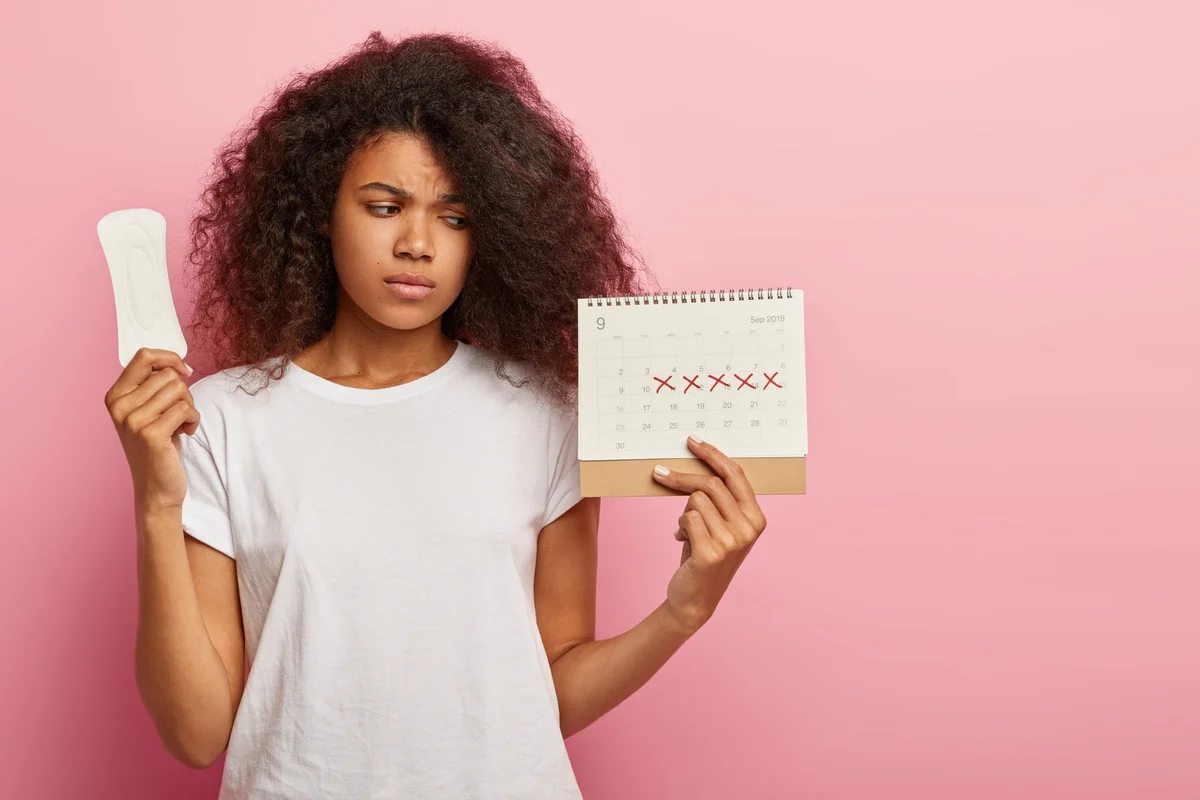
A surprising trend has emerged among women on social media, with many reporting irregularities in their menstrual cycles during June 2026. From doubled cycles to prolonged delays, these shared experiences highlight a significant phenomenon. If your tracking app has indicated an unprecedented delay while you are not pregnant, rest assured that science offers a logical explanation.
Heat Waves Disrupt Hormonal Balance
The conversation began on TikTok and quickly expanded into a global discussion. Women from various corners of the world have expressed their astonishment at experiencing unpredictable bleeding patterns. For some, periods have occurred twice within a single month, while others have completely missed their cycles. Experts have identified a primary culprit: the successive heat waves.
The human body exerts considerable energy to maintain an internal temperature around 37°C during heatwaves. This adaptation leads to what specialists refer to as thermal stress, which results in increased cortisol levels, the stress hormone. Given that the menstrual cycle relies on intricate communication between the brain and ovaries, this spike in stress can either advance, delay, or inhibit ovulation. Additionally, menstruation naturally raises body temperature by 0.3 to 0.7°C, making hot days a significant physical challenge for women.
Parental Fatigue and Lifestyle Intensify Disruptions
While weather plays a crucial role, it is not the sole factor at play. The daily lives of parents, already burdened by mental load and chronic sleep deprivation, become even more demanding during extreme heat. Interrupted sleep due to the heat, dehydration, and accumulated fatigue create a perfect storm for hormonal disturbances. Medical professionals emphasize that the female cycle is an excellent barometer of overall health, highly sensitive to seasonal changes, recent illnesses, travel, and stress levels.
What many describe as a double period often corresponds to a shorter cycle. A healthy cycle can last between 21 and 35 days. If your cycle typically hovers around 28 days and stress triggers early ovulation, it is mathematically possible to experience bleeding twice within the same calendar month. This response is merely your body adapting to its environment.
Intensified Variations Nearing the Forties
The effects of thermal disruptions are not uniform and significantly depend on the stage of life. Healthcare professionals note that these summer irregularities are particularly pronounced in women over 40. At this age, ovarian hormones are already subject to natural fluctuations associated with perimenopause. The instability caused by heat adds to this already shifting landscape, resulting in more frequent irregularities and sometimes heavier or longer bleeding.
The silver lining is that these changes are typically temporary. Once temperatures return to more moderate levels and the body regains its rhythm, hormonal balance usually restores itself, and cycles return to their normal pattern.
Key Indicators for When to Seek Help
A temporary shift in your cycle should not cause immediate alarm. Our bodies remind us that they are not digital clocks and react to our experiences. However, it is crucial to pay attention to certain signals. If irregularities persist for more than three months, if bleeding is accompanied by unusual pain, or if you miss your period three consecutive times, a visit to your doctor or midwife is warranted. Naturally, taking a pregnancy test remains the first step in the event of a prolonged delay.
To navigate these intense periods effectively, professionals recommend maximizing hydration and reducing physical exertion during the hottest hours. If menstrual cramps become more severe due to fatigue, recent studies suggest opting for ibuprofen over paracetamol, as the latter has proven less effective against uterine cramps. Caring for your body by listening to its changing rhythms remains the best approach to managing parenting through the seasons, while accepting that our biology sometimes needs to adapt to temperature fluctuations.