
Celebrating 15 Years of 'Conan the Barbarian': A Retrospective
As _Conan the Barbarian_ celebrates its 15th anniversary, we reflect on its impact and the divergent opinions surrounding this Marcus Nispel film, exploring its place in the cinematic landscape.

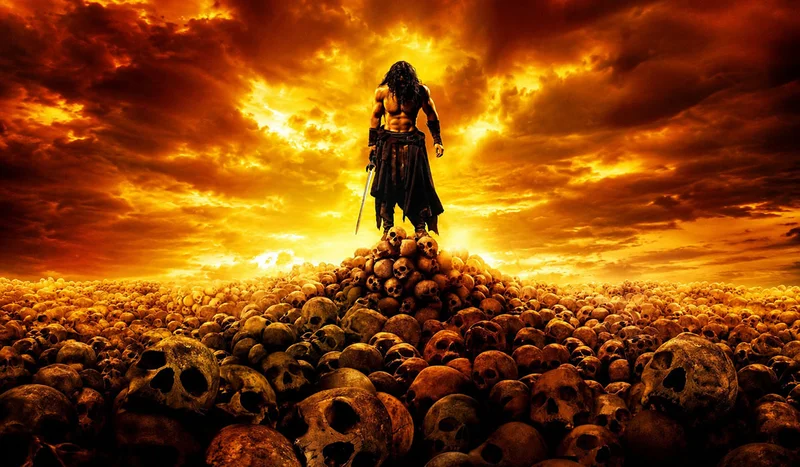
Conan
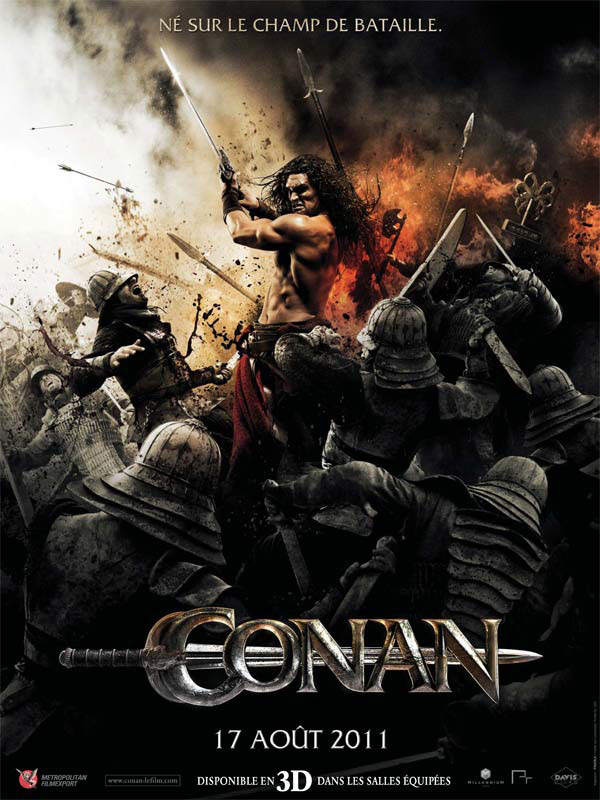 Released in 2011, Conan the Barbarian directed by Marcus Nispel is set to mark its 15th anniversary on August 17, 2026. This milestone is often seen as a significant moment in an adolescent's life, characterized by rapid changes and a quest for identity. However, as the saying goes, fifteen is also the age of folly, perhaps making it the perfect time to appreciate the film's excesses, testosterone-fueled action, and hormonal chaos.
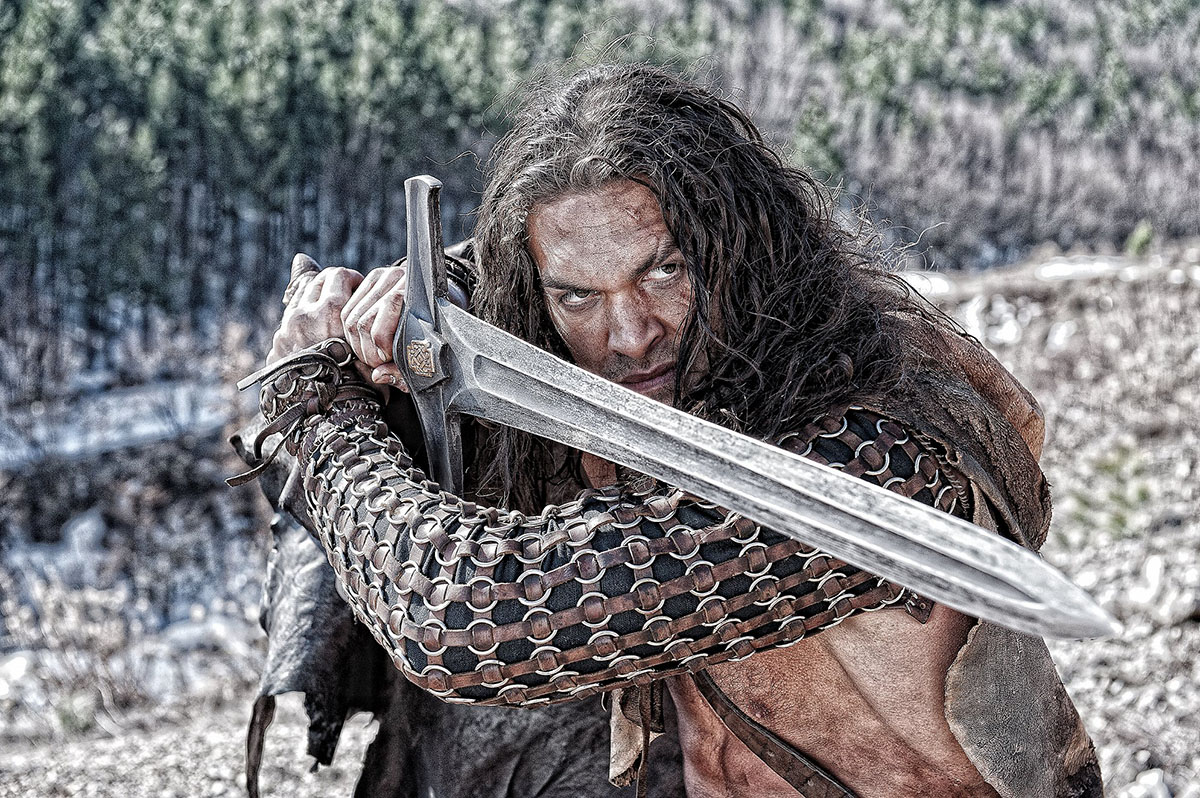
Reflecting on its release, the author recalls attending a press screening in Paris, not yet a fixture at Critique-film but already voicing opinions under the pseudonym Tonton BDM. The reactions from fellow journalists were overwhelmingly critical, with descriptors like “disappointing”, “pathetic”, and “terrible” dominating discussions. This negative reception seemed to indicate that this new take on the Cimmerian warrior was destined for derision.

However, it’s essential to contextualize these reactions. The film was not aimed at critics who often overlook the genre's specific appeal. The analogy of asking a lace maker to critique a biker's leather jacket highlights this disconnect. Just as the lace maker may not appreciate the biker's craftsmanship, critics may not fully grasp the intentions behind Nispel's Conan.
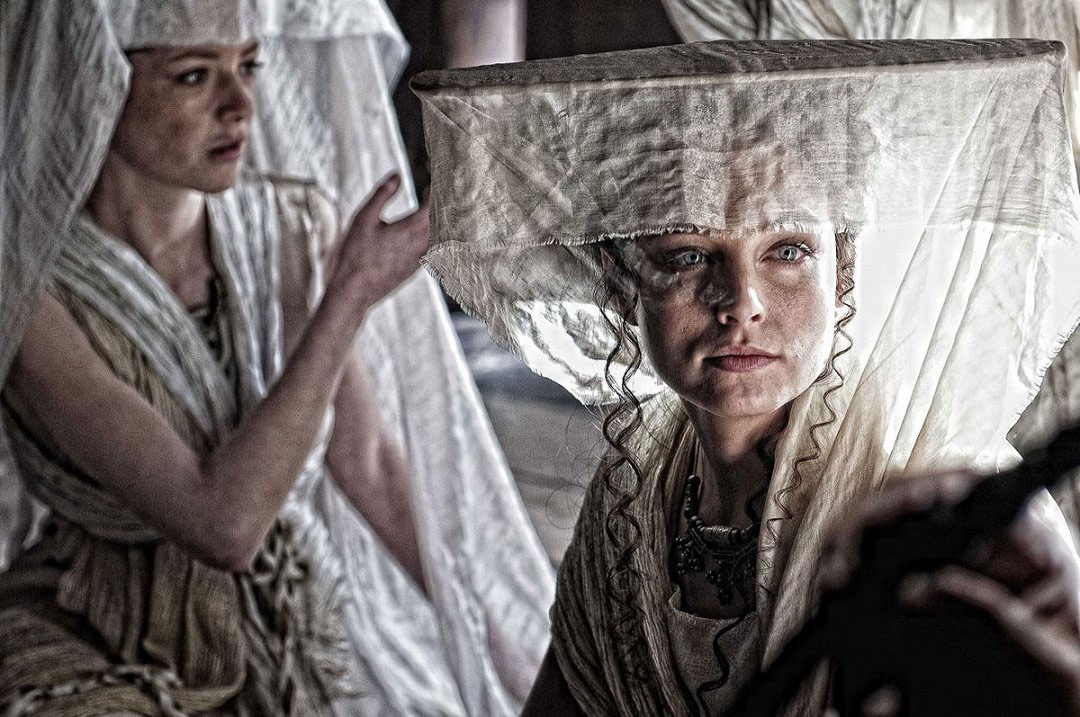
Over the years, a segment of film criticism has adopted a uniform set of standards for evaluating all movies, ignoring the unique language and expectations each genre demands. Conan is clear in its intent from the outset, promising a spectacle filled with muscles, steel, blood, and barbarism. Viewers must decide if they accept this cinematic proposition, but they must first recognize it for what it is.
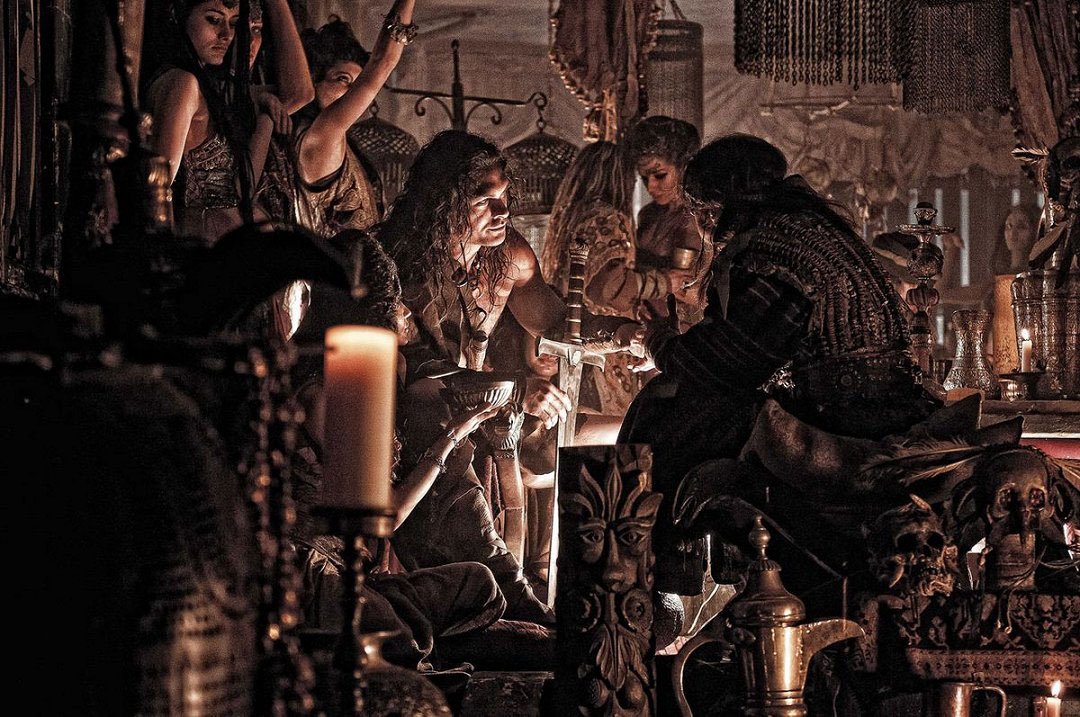
This film does not cater to fans of Tarkovsky or even die-hard admirers of John Milius's 1982 Conan the Barbarian. While Milius's version is rightly celebrated for its mythological depth and philosophical themes, it diverged significantly from Robert E. Howard's original stories. The character of Conan has undergone various transformations across numerous media, including novels, comics, and films, each offering a distinct interpretation.
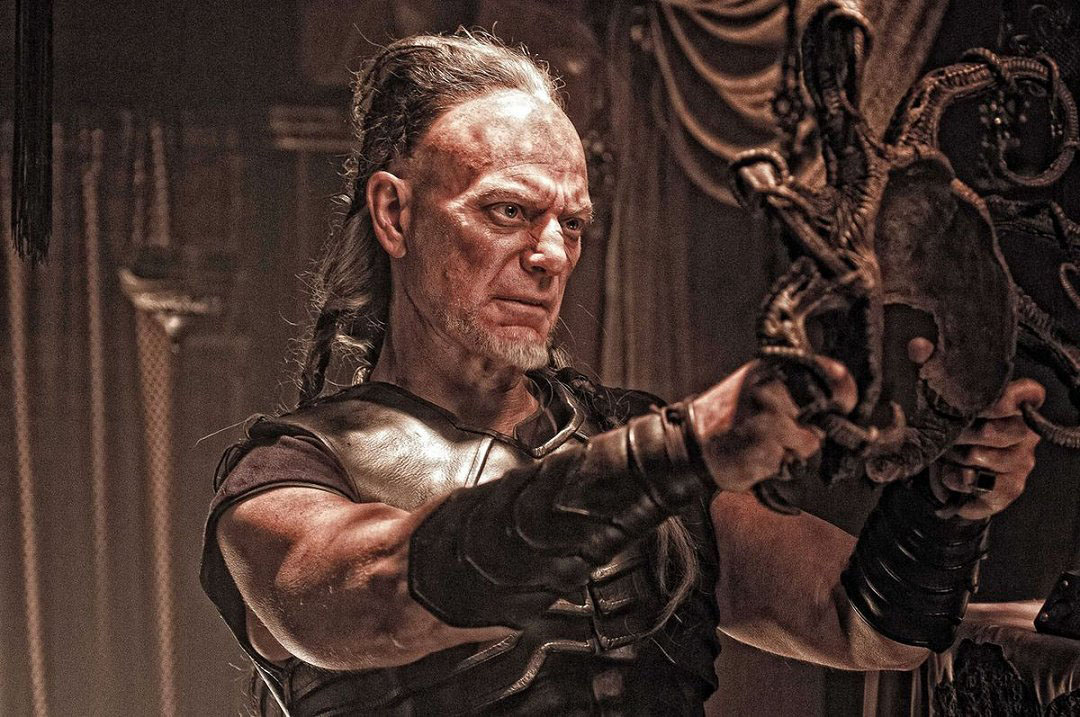
Adaptation, by its very nature, can be seen as a form of betrayal to the original work. While this term often carries negative connotations, it should not. Adapting a story means engaging with it in a new medium, through a different lens and sensibility. Some adaptations strive for fidelity, while others take creative liberties, resulting in new narratives that resonate with audiences in their own right.

Clive Barker encapsulated this idea when discussing Hellraiser II, noting that once a story gains public favor, it evolves into something owned by the fans. They create their own mythologies and extensions of the narrative. This phenomenon applies to Conan, who has taken on a life of his own, far removed from Howard's original vision. Each filmmaker extracts elements from this universe that inspire their creative vision. Nispel's interpretation leans toward a raw, primal savagery, reminiscent of the more visceral depictions seen in comics.
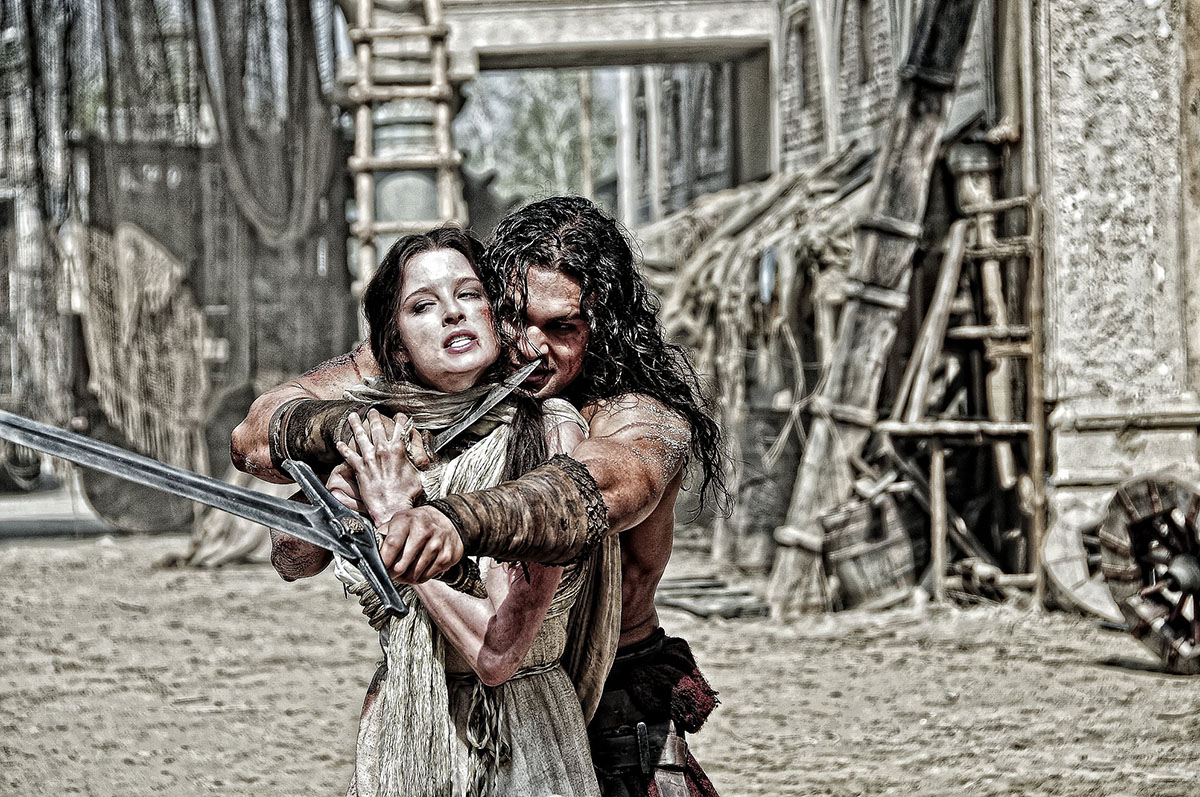
In essence, Nispel's Conan can be viewed as the brainchild of an adolescent who grew up immersed in Métal Hurlant, Simon Bisley's comics, and the vibrant culture of gaming. This version appeals to those who relish the over-the-top violence and action reminiscent of 70s and 80s B-movies. The film’s production by Nu Image, known for its no-frills, muscular entertainment, set the stage for a viewing experience that would not cater to everyone.
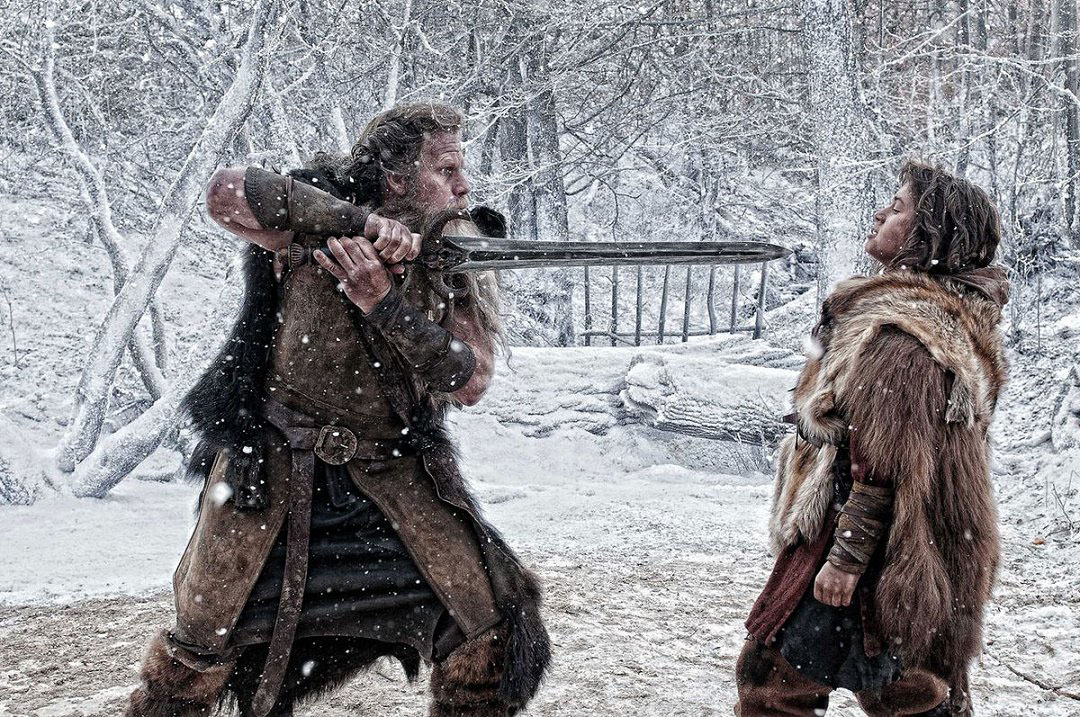
Nu Image has built a reputation for delivering unabashedly excessive B-movies that prioritize action over nuanced storytelling. By entrusting Conan to such a production house, the film embraced its primal instincts, appealing to a specific audience that appreciates raw, unfiltered cinema.
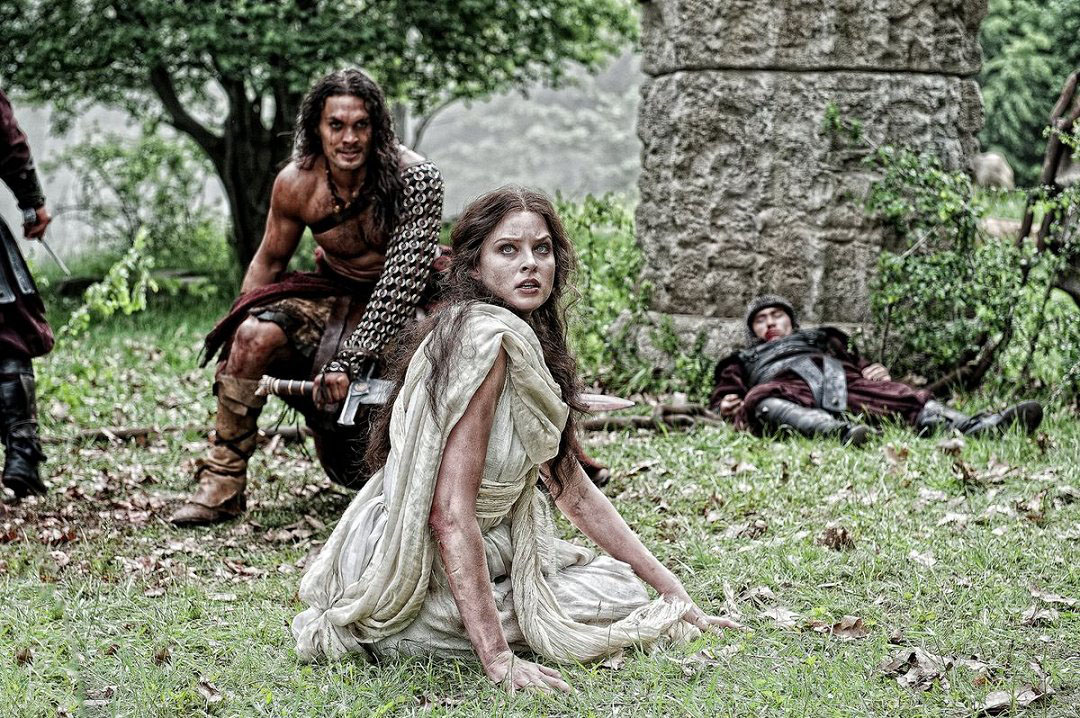
Indeed, Conan delivers relentless action, featuring blood-soaked battles and relentless pacing. The film is unapologetic in its approach, with minimal psychological depth and a clear focus on visceral thrills. For the intended audience, the film's lack of dramatic stakes is inconsequential; what matters is the adrenaline-fueled escapism it provides.

In conclusion, Conan the Barbarian serves as a celebration of excess and a testament to a particular style of filmmaking that prioritizes visceral enjoyment over critical acclaim. As it reaches its 15th anniversary, it stands as a reminder of the diverse landscape of cinema, where films can evoke a wide range of reactions, depending on the viewer's expectations and preferences.
You may also like

![Ici tout commence: What to Expect in Episode 1488 on Monday, July 27, 2026 [SPOILERS]](https://glowculturehub.com/cdn/images/b2d3d6d788c39a22a548df320e6d9f77/w1200.webp)