Rediscovered Masterpiece: Marcel Pagnol's 'La Prière aux étoiles' Shines at Film Festival
The rediscovery of Marcel Pagnol's 'La Prière aux étoiles' at the Festival du Film de Lama reveals a long-lost cinematic gem, now restored and celebrated.
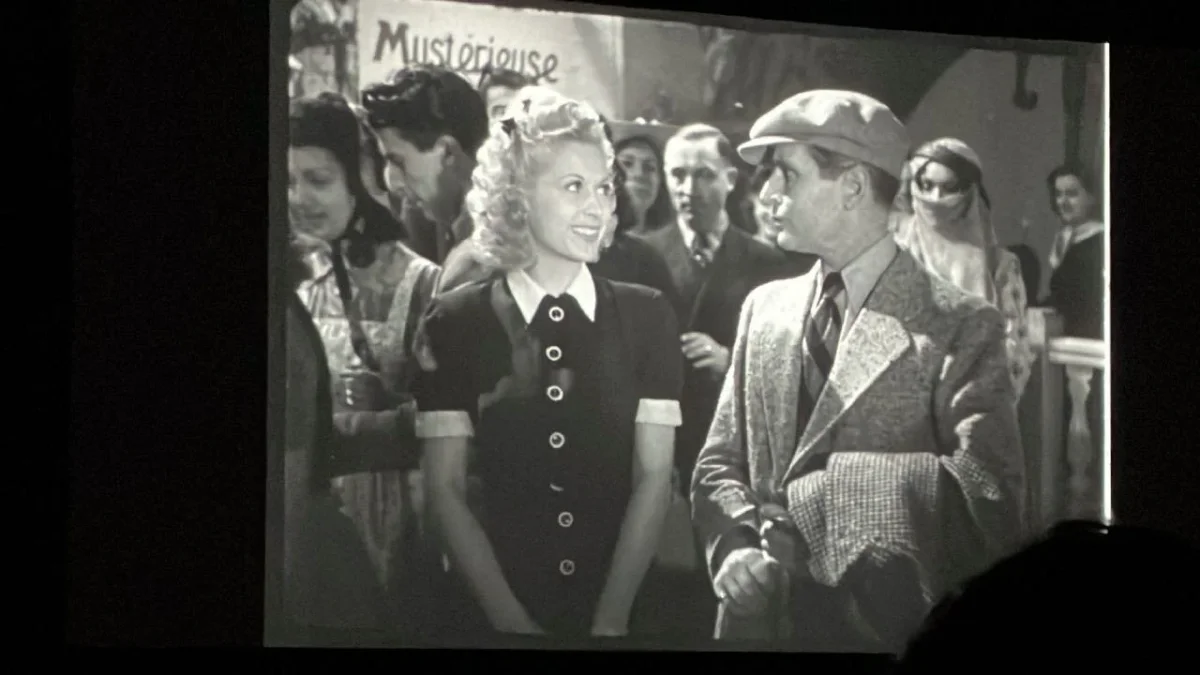
This week, attendees at the Festival du Film de Lama were treated to a remarkable cinematic rarity: the screening of "La Prière aux étoiles" by Marcel Pagnol. Once thought to be lost forever, this film has been resurrected and is now captivating audiences once again.
The story of "La Prière aux étoiles" is one of unexpected revival, thanks to the dedicated efforts of a Corsican researcher. This film, which many believed to be destroyed, has finally been brought back to life, marking a significant moment in cinematic history.
The village of Lama in Haute-Corse hosted one of the first screenings of this rare film during the festival's 32nd edition. The significance of the location is heightened by the fact that the researcher responsible for this rediscovery is a native of Corsica, making it fitting for the film to debut in his homeland.
To delve deeper into this rediscovered masterpiece, AlloCiné spoke with Valécien Bonnot-Gallucci, a doctoral student in art history from Bastia, and Julien Ferrando, a lecturer-researcher at Aix-Marseille University and a member of the IDEAS laboratory at CNRS, during the festival.
 Carlotta Films
What is 'La Prière aux étoiles'?
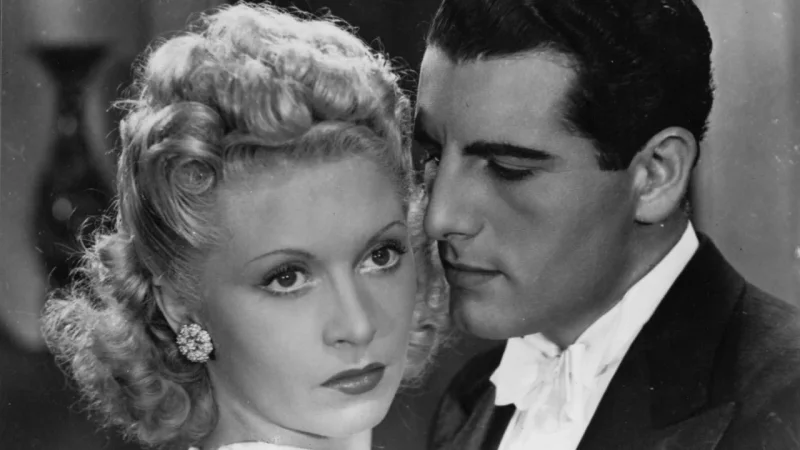
Julien Ferrando provided insights into the film's place within Pagnol's body of work: "It is part of a trilogy that Pagnol envisioned for many years, starting in the mid-1930s. He began filming shortly after 'La Fille du puisatier' during a challenging time marked by war, using the only operational studio in the free zone. This project coincided with a passionate relationship with actress Josette Day, who later starred as Belle in Cocteau's 'La Belle et la Bête.' The trilogy was filmed between 1941 and early 1942, though the increasingly difficult filming conditions affected the production. The materials recovered represent a working copy, not the final version."
Why Does This Film Stand Out in Pagnol's Work?
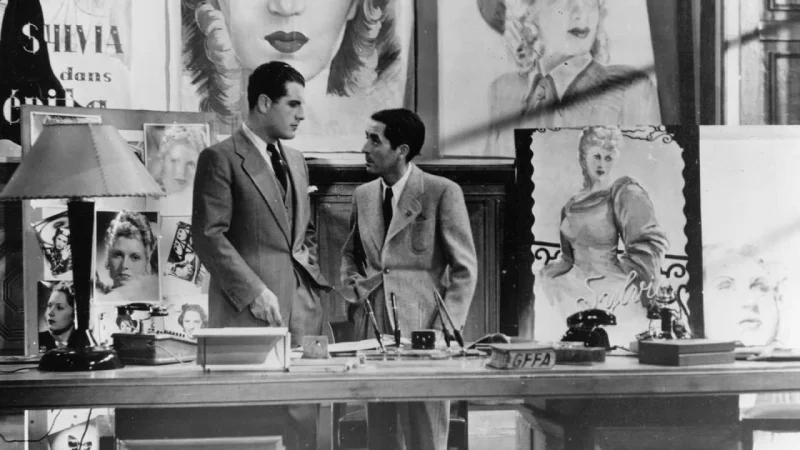
Ferrando elaborated on the film's unique position in Pagnol's oeuvre: "This film marks a significant shift in Pagnol's work as it centers on a deep, passionate love story that is also profoundly personal. It reflects pivotal moments in his life, portraying him as both an infatuated lover and a wealthy businessman, which might create tension with Josette Day. This film is extremely personal, depicting a true period in his life with Josette Day, which ultimately ended in separation, leaving the film unfinished as studios were sold. Therefore, it holds a special place in Pagnol's cinematic legacy."
 Carlotta Films
How Was This Lost Film Rediscovered and Reconstructed?
The revival of "La Prière aux étoiles" is attributed to Valécien Bonnot-Gallucci's meticulous research, which spanned nearly three years and culminated in the film's first montage being showcased at festivals. He noted, "I like to recount this story because it is both friendly and moving. It began with the scripts preserved in Corsica, which were passed to me by Jean-Pierre Mattei, the founder of the Corsican Cinematheque and its current honorary president. We used these scripts to reconstruct the narrative of a film that its author destroyed during the Occupation to prevent it from being exploited by Alfred Greven, the head of Continental Films, a company with significant influence in French cinema during that time.
"I approached this like a detective story—a film partially destroyed by its creator, intertwined with a love story. Research involves both science and a quest for the unknown. I gathered elements from the film, relying on shooting documents and photographs shared by Nicolas Pagnol, the grandson of the writer. I identified previously unseen reels at the CNC and drew connections between the preserved scripts and various archival materials. My research revealed a corpus that allowed for a mental reconstruction of the film.
"After writing an article published in the journal 1895, I realized that a film could indeed be reconstructed. The restoration took place after I discovered the existence of the reels in 2023, leading to two years of writing and research. The goal of this work is to continually renew knowledge and ensure that nothing is taken for granted. Additionally, there is a deep emotional resonance; this film, a love story by Marcel Pagnol—a significant figure in Corsica—holds cultural and familial ties to our island. When watching scenes reminiscent of 'Marius,' 'Fanny,' and 'César,' it evokes a sense of nostalgia and the passage of time, preserving memories."
The Festival du Film de Lama continues until July 31, showcasing this extraordinary film and celebrating its remarkable journey back to the screen.
_Interviews conducted at the Festival du Film de Lama on July 28, 2026, by Brigitte Baronnet.
You may also like

![Ici tout commence: What to Expect in Episode 1488 on Monday, July 27, 2026 [SPOILERS]](https://glowculturehub.com/cdn/images/b2d3d6d788c39a22a548df320e6d9f77/w1200.webp)