
Choosing a Luxury Perfume: Essential Tips for Making the Right Selection
Discover how to select a luxury perfume that aligns with your personal style and occasions. Understand the importance of intent, concentration, and testing before making a purchase.
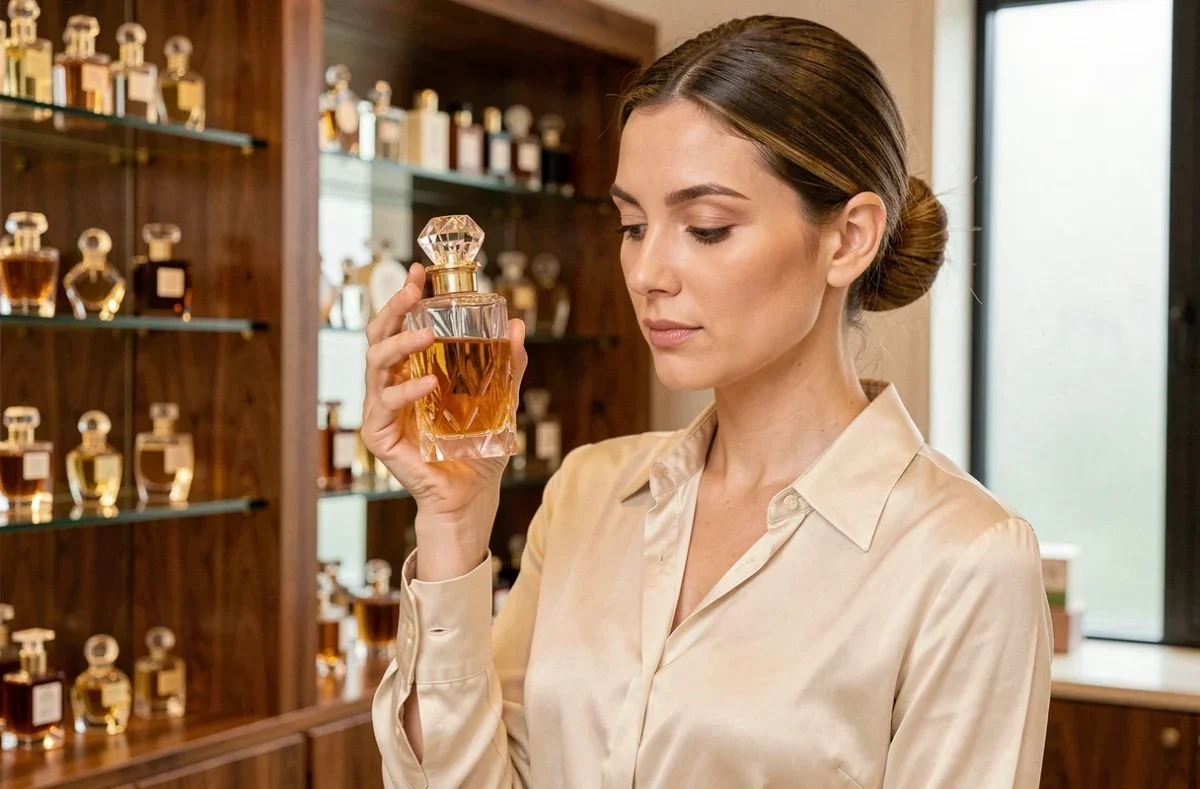
The allure of luxury perfumes often draws us in with their exquisite bottles and enticing scents, but the price tag can leave us questioning whether we are paying for the fragrance itself or merely the packaging. When considering a more expensive perfume, the critical question shifts from "how much?" to "why this one over another?" A poorly chosen luxury fragrance can end up collecting dust in a drawer.
Define Your Intent Before Purchasing
Before stepping into a perfume shop, it’s essential to clarify your intention: are you seeking a scent that brings you personal joy, or one that makes a statement to others? Both motivations are valid, but they lead to different choices.
A fragrance meant for personal enjoyment typically emphasizes long-lasting base notes and a comforting formulation, creating a personal olfactory signature rather than a recognizable brand. Conversely, if the goal is to convey status, you might gravitate towards brands with bottles and names that immediately resonate. Here, the sillage—the trail of scent left behind—becomes paramount; you want your fragrance to announce your presence before you enter a room. However, a highly projecting scent doesn’t always equate to superior quality; it may simply be designed to stand out.
Clearly defining your intent can prevent impulsive purchases that may lead to disappointment weeks later. A niche perfume can be as costly as a mainstream blockbuster, yet the experience will be vastly different.
Understanding Price, Concentration, and Quality
Many assume that a higher price guarantees better longevity, but the cost does not predict how long a fragrance will last or how it will perform on the skin. The crucial factors are the concentration of raw materials and the quality of the formulation.
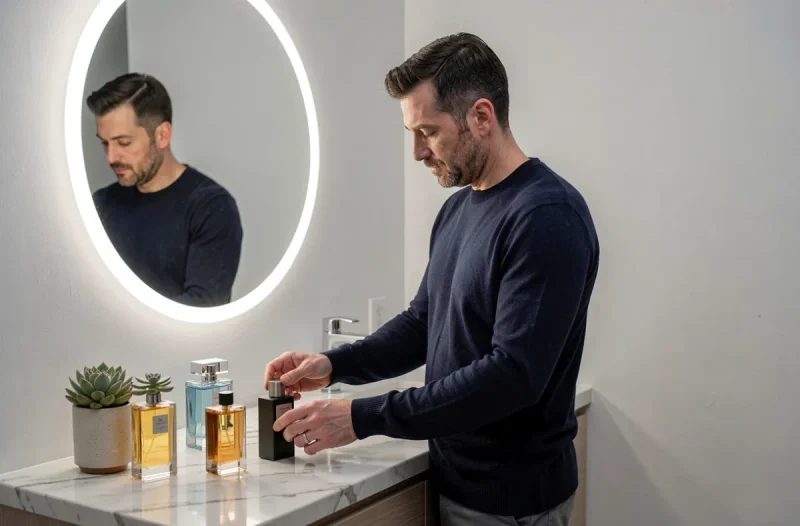
For instance, a perfume extract or elixir contains a significantly higher concentration than an eau de toilette, often lasting an entire day without reapplication. In contrast, some high-end eaux de parfum may evaporate within hours because they are crafted for lightness rather than longevity.
When investing in a pricier bottle, consider the following:
- The concentration indicated on the bottle (extrait, eau de parfum, eau de toilette) provides insight into expected longevity.
- The presence of enduring base notes like musk, vanilla, or woods enhances skin persistence.
- Each person's skin chemistry alters the final scent, making a skin test essential before purchase.
A less expensive yet concentrated fragrance can outperform a luxury bottle in terms of longevity and sillage. You're also paying for the perfumer's expertise, not just the ingredients, making it all the more important to test before committing.
Testing Before Commitment
A common mistake when indulging in a high-end perfume is making a decision in-store. The initial scent on a paper strip reveals little about the fragrance's true character. The top notes, which are most prominent at first, fade quickly, while the heart and base notes define the perfume's identity.
Wearing the fragrance for a full day on hydrated skin significantly alters your perception. On dry skin, the scent evaporates faster, whereas on nourished skin, the base notes (musk, vanilla, amber) develop and last much longer.
To avoid spending a significant amount on a poor choice, the most reliable strategy is to opt for a discovery format. Many fragrance houses offer samples or small decants. Testing over several days in various contexts (work, outings, active days) allows you to assess true longevity before investing in a full-sized bottle.
- Request a sample in-store or order a discovery format online.
- Test only one fragrance per day to avoid olfactory fatigue.
- Assess the sillage after several hours, not just upon application.
- Seek feedback from a trusted person to evaluate projection.
Limiting your trials to three or four fragrances per session helps prevent olfactory overload that can skew your judgment.
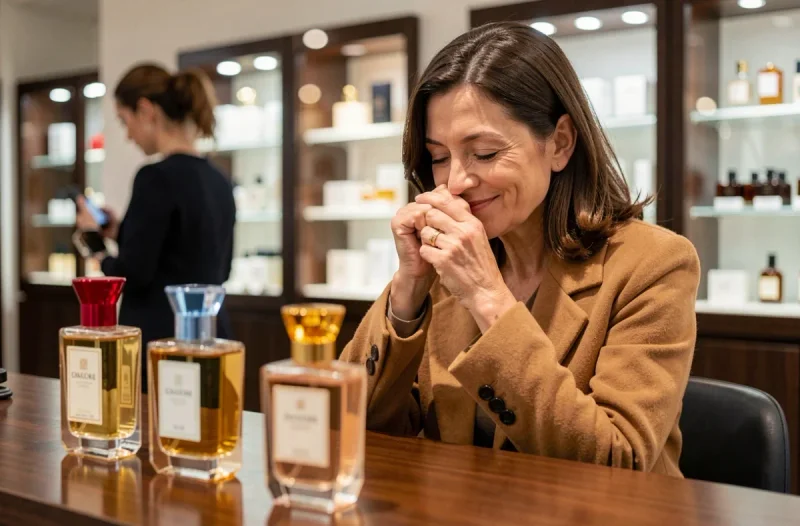
Choosing the Right Fragrance for the Occasion
A luxury perfume purchased to commemorate a special moment isn’t meant for everyday wear. The context dictates the choice just as much as personal taste.
For special occasions (birthdays, events, or personal treats), a fragrance with a strong sillage and deep notes can create a lasting impression. Compositions featuring woods, vanilla, or musk work well in these scenarios, aiming for a scent that leaves a mark without being overwhelming.
For everyday luxury, consider eaux de parfum with floral or citrus heart notes that are more subtle yet persistent. The goal is not to project aggressively but to wear a signature that is recognizable to those close to you.
The true value of an expensive perfume is not measured by its price per milliliter but by the harmony between what you wear and when you wear it. A well-chosen luxury perfume becomes a habit, not just a decorative item.
Upgrading to a more luxurious fragrance requires thoughtful selection. Identify your intent, check the concentration rather than the marketing hype, test the scent in real-life conditions over several days, and associate the fragrance with a specific use. A bottle that remains untouched on a dresser, regardless of its cost, is no more than an attractive trinket.