
Crafting the Perfect Espresso: Key Elements of Beans and Preparation
Crafting the perfect espresso takes less than 30 seconds and relies on centuries of coffee culture. Key factors include bean selection, roasting profiles, and precise extraction techniques.
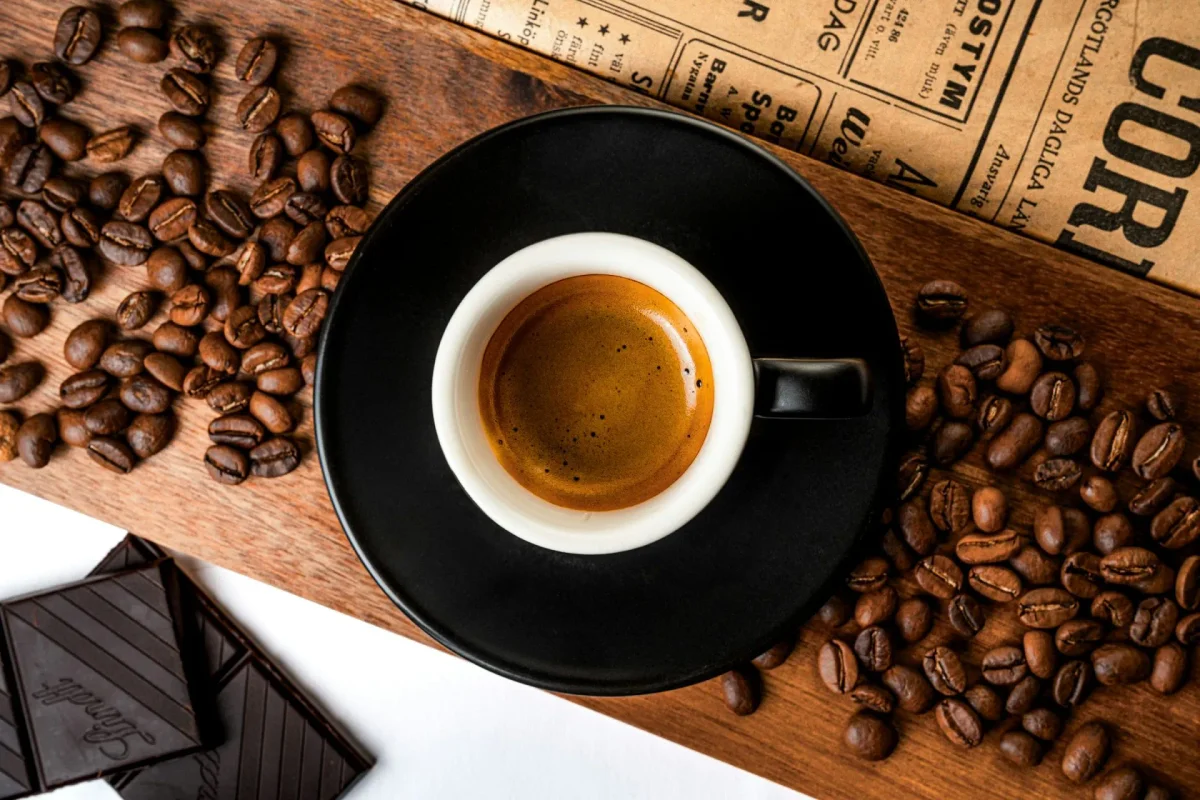
Creating the perfect espresso is a meticulous art that takes less than 30 seconds but embodies centuries of coffee culture. From the selection of beans to roasting profiles, grind size, and extraction methods, every detail plays a crucial role in determining whether the result is a rich flavor experience or just a strong caffeine boost.
Espresso transcends mere beverage status; it symbolizes craftsmanship, origin, and intentional enjoyment. While Italian bars once set the standard, today’s coffee culture is shaped by specialty roasters, sustainably sourced beans, and precision espresso machines.
An exceptional cup of espresso is never a matter of chance. It requires a harmonious interplay of high-quality beans, fresh roasting, uniform grind size, stable temperature, and controlled extraction to fully express the coffee's aromas.

A well-balanced espresso is characterized by its intense aroma, full body, and fine, creamy crema.
The Growing Importance of Origin and Quality
In contemporary times, luxury is often reflected not in excess but in the quality, origin, and care invested in a product. Espresso fits seamlessly into this modern realm of refined enjoyment.
Coffee enthusiasts now prioritize more than just brand names when purchasing coffee. Factors such as altitude, variety, processing methods, and roasting techniques have come to the forefront. Terms like Single Origin, Natural Process, or Honey Processing highlight where coffee comes from and how the harvested cherries are processed, both of which significantly influence the flavor profile.
This shift is often referred to as the fourth wave of coffee, emphasizing the entire journey of coffee from farm to cup. Transparency, sustainability, and artisanal precision are gaining importance.
Many specialty roasters collaborate directly with producers and roast their beans in small batches, ensuring freshness and highlighting the distinct flavors from various growing regions.
As knowledge about origin and roasting increases, so does the demand for precise preparation. Even high-quality beans can only reach their full potential when grind size, temperature, and brewing pressure are meticulously coordinated. More coffee lovers are eager to control these variables at home to achieve consistent results.
Consequently, various manufacturers now offer espresso machines for home use that combine technical precision with user-friendly operation. For instance, a De’Longhi espresso machine can create the necessary conditions for controlled and even extraction of high-quality beans. However, the key remains the synergy of fresh roasting, appropriate grind size, cleanliness, and stable temperature and pressure conditions.
The Bean’s Unique Story
An extraordinary cup of espresso begins far from the home kitchen. Whether on the slopes of Brazil, in the highlands of Ethiopia, or on the volcanic soils of Central America, climate, soil composition, and altitude shape a coffee bean's character much like terroir influences wine.
Brazilian Arabica beans often bring a pleasant sweetness along with nutty and chocolaty notes. In contrast, coffees from Ethiopia tend to be more floral and fruity. Central American coffees frequently combine a delicate acidity with balanced sweetness and aromatic depth.
Roasters often blend different origins to create harmonious combinations, aiming not to mask differences but to intentionally connect specific characteristics. For example, Brazilian Arabica can provide body and sweetness, while select Robusta qualities contribute spice, stability, and a dense crema.
Quality Fine-Robusta beans are experiencing a renaissance, demonstrating that Robusta does not inherently equate to lower quality.
Freshness is equally crucial. Specialty roasters typically produce in small batches and at short intervals, delivering beans that are significantly fresher than industrially produced mass goods, which may be stored for months.
Freshly roasted coffee develops livelier aromas, finer sweetness, and greater complexity. In espresso, where flavor and texture are concentrated in just a few sips, these differences become especially pronounced.
Consumers are also increasingly interested in the people behind the product. Information about farms, cooperatives, and cultivation projects fosters transparency and gives each bean its own narrative.
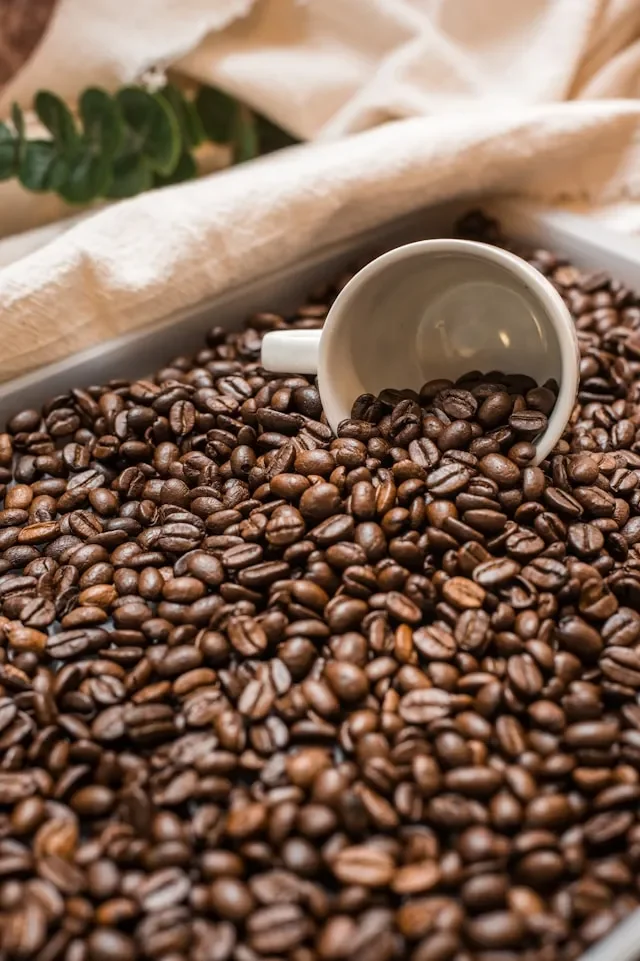
Origin, roasting, and freshness of the beans shape the aroma, body, and character of an espresso.
Precision is Key to Flavor
When preparing espresso, mere grams of coffee grounds meet hot water under high pressure. Even slight variations can significantly affect the outcome. A minor change in grind size, temperature fluctuations, or uneven distribution of coffee grounds can determine whether the espresso tastes balanced, bitter, sour, or flat.
Baristas refer to extraction as the process where hot water dissolves soluble flavor compounds from the coffee grounds. Ideally, this results in a balance of sweetness, fine acidity, and pleasant bitterness.
If water flows too quickly through the coffee bed, insufficient components are dissolved, leading to a thin, sour, or underdeveloped espresso. Conversely, if extraction takes too long, bitterness and dry flavors may dominate.
A common guideline is an extraction time of about 25 to 30 seconds, although the ideal duration depends on the coffee used, the roast level, the amount, and the desired flavor profile.
The Importance of Grind Size
Freshly ground beans yield a much more complex aroma profile compared to pre-ground coffee. The volatile aromatic compounds begin to escape immediately after grinding.
A quality grinder should produce as uniform coffee particles as possible. If some particles are very fine while others are coarser, the coffee will be unevenly extracted. The finer particles may release too many bitter compounds, while the coarser ones may be under-extracted.
The correct grind size allows water to flow evenly through the coffee bed. If the espresso runs too quickly, the coffee should generally be ground finer. If it flows slowly or drips, a coarser grind may help.
Equally important are the right amount and even distribution in the portafilter. Only a level and carefully compacted surface prevents water from finding uneven paths through the coffee grounds.
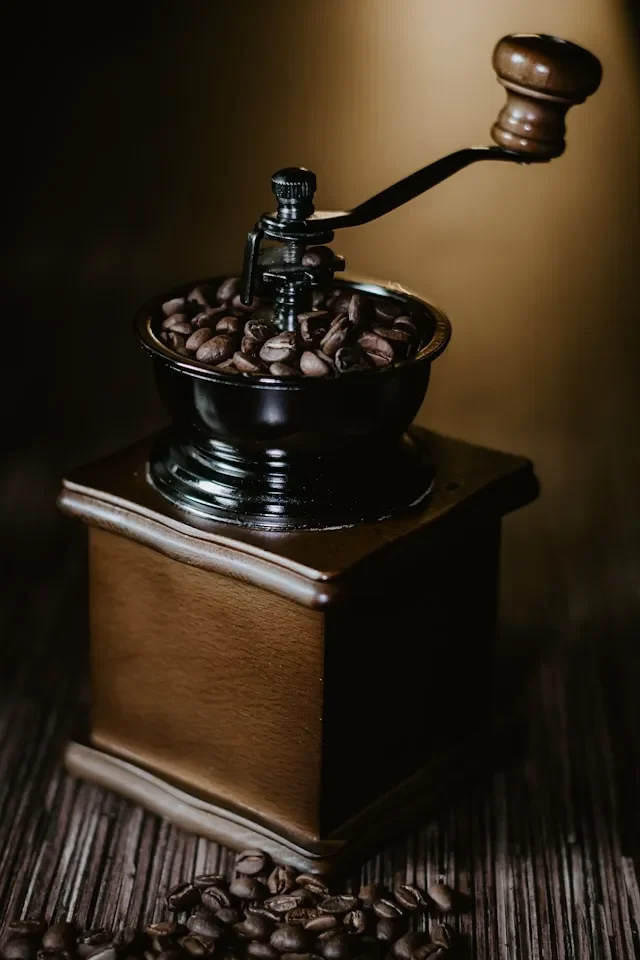
A uniform, freshly adjusted grind size is crucial for balanced espresso extraction.
Temperature and Consistency
In addition to grind size, water temperature plays a vital role. Water that is too hot can amplify bitter notes and mask delicate flavors. If it is too cool, sweetness, body, and aromatic depth may be compromised.
The ideal temperature also depends on the roast level. Darker roasts often require slightly lower temperatures than lighter specialty roasts.
Above all, consistency is crucial. The best beans lose their character if temperature or pressure fluctuates significantly. A technically precise machine creates reproducible conditions, making it easier to replicate a successful recipe.
Perfection, therefore, arises not from an abundance of features, but from control and consistency.
Crema: More Than Just a Beautiful Surface
Few characteristics are as closely associated with espresso quality as crema. This golden-brown foam layer is often seen as inseparable from a successful cup. However, its appearance alone provides limited insight into the flavor.
Crema forms through the interplay of carbon dioxide, coffee oils, and pressure during extraction. Freshly roasted beans contain more bound carbon dioxide, often resulting in a more robust crema than older beans.
The Robusta content of a blend also influences its texture. High-quality Fine-Robusta beans can contribute to a particularly dense and stable surface.
Ultimately, however, what lies beneath the crema is what matters. An espresso can possess a flawless crema yet still taste bitter or unbalanced. Conversely, some light specialty roasts may develop only a fine foam layer but impress with their aromatic complexity.
Experienced tasters assess the complete flavor profile: aroma, sweetness, acidity, bitterness, body, texture, and aftertaste.
A good espresso should release intense aromatic notes upon the first contact with the nose. Depending on the bean and roast, flavors of chocolate, hazelnut, caramel, spices, or ripe fruits may emerge.
On the palate, the espresso should feel full without being heavy. A pleasant sweetness forms the foundation, accompanied by balanced acidity and a fine bitterness that lingers but does not dominate.
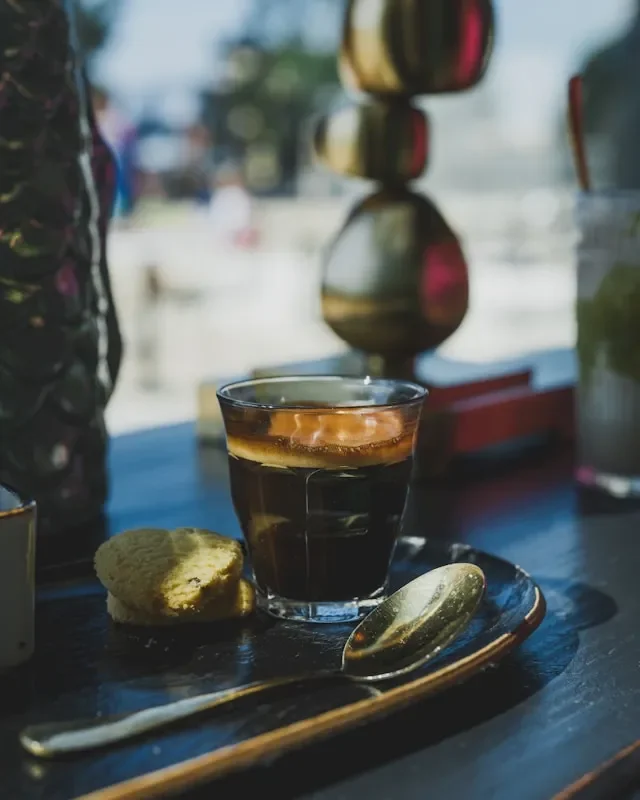
A carefully prepared espresso becomes a small ritual of enjoyment through its aroma, crema, and balanced flavor.
From Espresso Bars to Home Brewing
For a long time, the perfect espresso was considered a privilege of Italian cafés and professional bars. Today, more individuals are delving into the world of beans, roasts, and brewing methods at home.
The home-barista movement has significantly increased interest in high-quality coffee. It is no longer just about pressing a button to make a drink; many coffee enthusiasts want to influence grind size, dosing, and extraction themselves.
The design of modern espresso machines has also evolved. Functionality, high-quality materials, and aesthetic appeal now blend together. The machine has transformed from a mere kitchen appliance into a part of a thoughtfully designed living space.
Simultaneously, the joy of experimentation is growing. Different beans, grind sizes, and seasonal roasts offer endless new flavor experiences. While some espressos evoke dark chocolate and hazelnuts, others surprise with notes of berries, honey, or dried fruits.
Thus, an espresso becomes a mindful pause in everyday life, accompanying a calm morning start, a conversation, or the conclusion of a delightful meal. The emphasis is no longer on speed but on the moment of enjoyment.
Quality Indicators of an Exceptional Espresso
| Feature | Quality Indicators | Impact on Flavor | |----------------|-------------------------------------------------------|-------------------------------------------| | Beans | Freshly roasted coffees with transparent origin | Greater aromatic depth and complexity | | Grind Size | Uniformly ground immediately before preparation | Balanced and controllable extraction | | Extraction | Even flow; approximately 25 to 30 seconds as a guide | Balance between sweetness, acidity, and bitterness | | Crema | Fine-pored and golden to hazelnut brown depending on roast | Can indicate freshness and clean preparation | | Water | Fresh, odorless, and with balanced mineral content | Clear aromas without disturbing off-flavors | | Temperature | Stable and tailored to the roast used | Preserves sweetness, body, and aromatic depth |