
Dermaplaning: The Rising Trend of Facial Shaving in Beauty
Explore the rising trend of dermaplaning, a facial shaving technique that promises smoother skin and better makeup application. Learn about its benefits, products, and expert opinions.
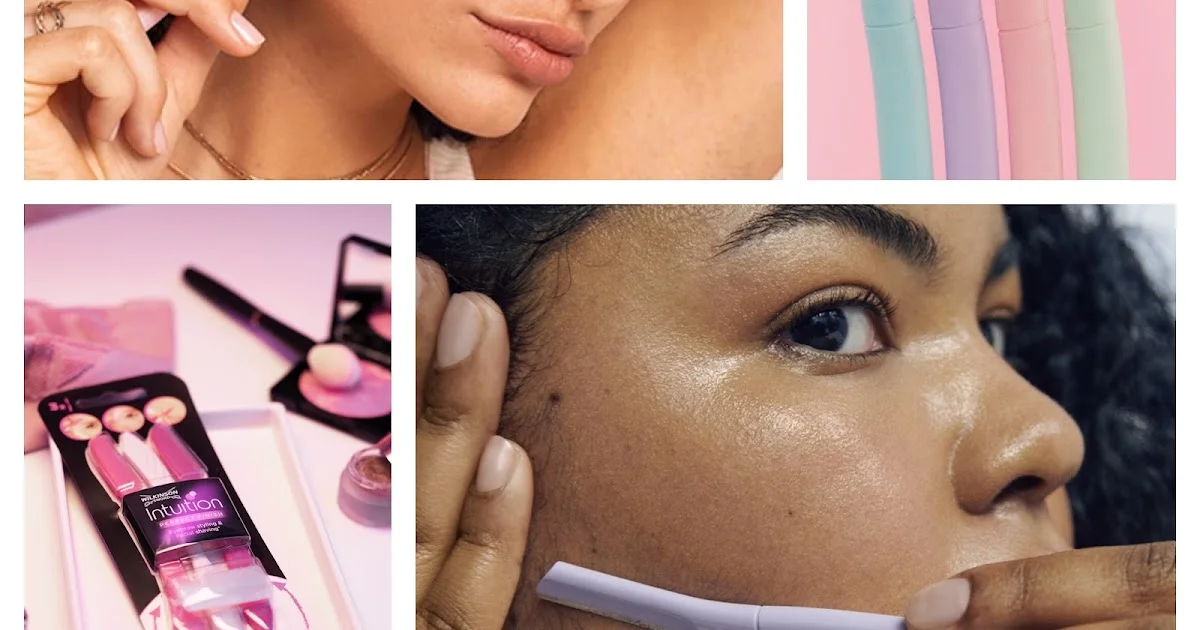
In recent weeks, a notable trend in the beauty industry has emerged, capturing the attention of many: dermaplaning. This technique, primarily popularized through social media platforms, involves using a specialized blade to gently exfoliate the skin by removing dead cells and fine hair from the face. This method not only promises to enhance the overall appearance of the skin but also aims to improve the application and longevity of makeup.
The conversation around dermaplaning was sparked during an event organized by Wilkinson Sword, where it was revealed that the best-selling women’s razor on Amazon is, surprisingly, a facial razor. This particular product, designed for eyebrows, is marketed for its ability to "gently remove hair and exfoliate the skin," making it ideal for addressing unwanted facial hair such as peach fuzz and upper lip hair. This revelation highlights the growing popularity of dermaplaning, a trend that is rapidly gaining traction.
Dermaplaning involves using a blade that resembles a surgical scalpel, gliding it across the face to eliminate fine hair and dead skin cells. Advocates of this technique emphasize two primary benefits: the removal of hair, which enhances makeup application, and the exfoliation of dead skin cells, which can lead to a brighter complexion. Additionally, many believe that this practice allows skincare products to penetrate the skin more effectively, thereby increasing their efficacy. A quick search of the hashtag #dermaplaning on TikTok reveals numerous videos of individuals embracing this trend, showcasing its rising popularity.
While primarily favored by younger women, dermaplaning is a unisex practice that can be beneficial for anyone. Despite its benefits, some individuals may feel hesitant to try it. Concerns about potential cuts or the desire for more traditional exfoliation methods, such as scrubs and peels, can deter them from adopting this technique. Nevertheless, the fact that dermaplaning razors are among the top-selling items on Amazon in France indicates a significant shift in consumer preferences.
In a notable move, Sephora has recently launched its own line of facial razors, a kit of four in pastel colors, priced at €10.99. This entry into the dermaplaning market by a leading beauty retailer is expected to further popularize the trend, providing consumers with a reliable option compared to lesser-known brands.
For those considering trying dermaplaning, experts recommend using a thick oil or gel, such as aloe vera, prior to shaving. This preparation is akin to using shaving foam, ensuring a smoother glide across the skin. The technique involves moving the blade in a downward motion while gently stretching the skin with the opposite hand. While the process appears straightforward and not painful, individuals with very sensitive or acne-prone skin should exercise caution, as dermaplaning may not be suitable for them.
A common concern about shaving the face is whether it leads to thicker, darker hair regrowth. However, insights from dermatologists suggest that hair growth patterns are influenced by hormones rather than shaving itself. As noted by dermatologist DermatoDrey, "What transforms fine facial hair into coarser hair are hormones, not shaving. There are no nerves in the hair that signal the root to grow thicker after being cut." This reassurance may alleviate some fears for those contemplating dermaplaning.
However, this article does not serve as an endorsement of dermaplaning. It aims to shed light on a trend that seems to be satisfying many practitioners, even as some experts caution against it. Notably, L'Oréal Paris has expressed strong reservations about the practice, labeling it as “madness.”
As the beauty industry continues to evolve, it remains essential for individuals to form their own opinions based on personal experiences and professional advice. Dermaplaning is not a trivial practice, and its growing popularity suggests that it is becoming a significant part of many people’s beauty routines. Interestingly, the marketing visuals for dermaplaning products predominantly feature women of color, raising questions about the demand for such products among different demographics.
In conclusion, what are your thoughts on dermaplaning? Have you heard of this trend before, or perhaps even tried it? If so, your experiences would be greatly appreciated. For those who have yet to take the plunge, do you see yourself adopting this technique, or like some, are you opting to stick with traditional methods?