
Drowning is Often Silent: What to Really Watch for at the Pool or Beach
With the return of sunny days and heat waves, moments of relaxation by the water multiply for the delight of children. However, the latest report from Public Health France for the summer of 2025 reminds us of the vulnerability of those under six years old, particularly affected by an increase in accidents.
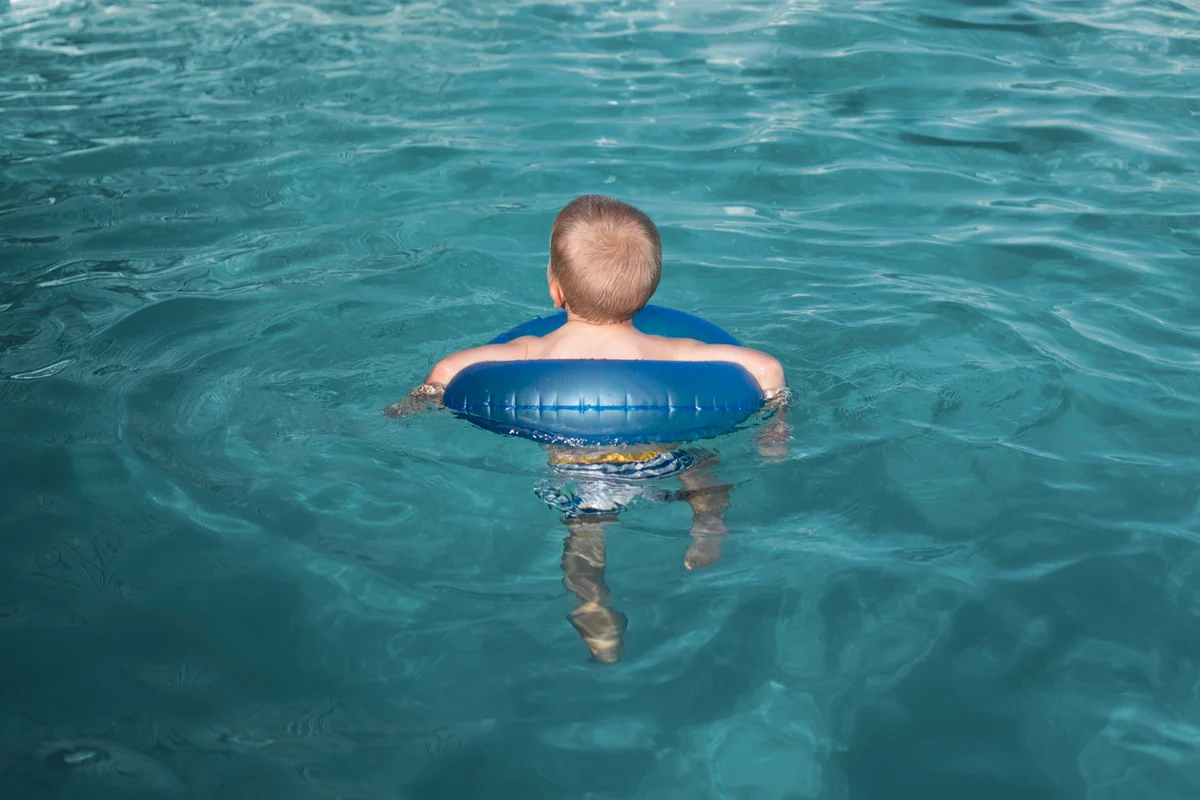
With the return of sunny days and heat waves, moments of relaxation by the water multiply for the delight of children. However, the latest report from Public Health France for the summer of 2025 reminds us of the vulnerability of those under six years old, particularly affected by an increase in accidents. Far from cinematic clichés, drowning occurs quickly and completely silently, necessitating a shift in our monitoring habits to protect our little swimmers.
The Myth of the Loud Splash Collapses in the Face of Reality
In the collective imagination, fueled by television series and action movies, a drowning person thrashes about frantically, waving their arms and calling for help at the top of their lungs. The scientific and physiological reality is unfortunately quite different. Aquatic safety experts describe what is known as the instinctive drowning response, an autonomic mechanism that the body triggers to avoid suffocation.
When a child begins to sink, their body focuses solely on immediate survival, namely breathing. The respiratory system, primarily designed for breathing and not speaking, makes it impossible to scream or ask for help. The victim's mouth sinks and briefly rises to the surface, just enough time to exhale and take a quick breath before submerging again. All of this happens without the child being able to make a sound to alert those around them.
The Body Adopts Recognizable Specific Positions
In the face of oxygen deprivation, a person in absolute distress also loses voluntary control over their arm movements. Instead of waving their hands to attract attention or signal, the victim instinctively spreads their arms to the sides and pushes against the water's surface. This reflexive movement simply allows them to leverage their position to try to keep their mouth above water and grab a bit of air.
The body remains completely vertical, with the legs unable to kick effectively to float. From the beach or poolside, the child appears to be simply treading water or trying to climb an invisible ladder. This discreet struggle at the surface lasts only between 20 and 60 seconds before complete submersion occurs. This is why, in nearly 10% of cases, an adult witnesses the scene without even realizing the drama unfolding before their eyes. Other discreet signs should immediately alert parents: glassy eyes, closed or unfocused eyes, a lowered head with the mouth at water level, or hair covering the face without the child attempting to push it aside.
Active Vigilance Requires Simple Daily Reflexes
Last summer's statistics confirm the importance of enhancing our attention. Between June and September 2025, 1,418 drownings were recorded in France, with children under six accounting for more than a quarter of the victims. While rivers, lakes, and streams concentrate the majority of fatal accidents among minors, private pools and small domestic cooling areas remain major vigilance zones.
With the intense heat, the use of small basins, water tables, or garden wading pools is ideal for refreshing little ones. However, a very young child can find themselves in trouble in just a few centimeters of water. To secure swimming at home, installing barriers, alarms, or compliant covers is essential, but these tools never replace human oversight.
A good habit is to clearly designate one adult responsible for supervision throughout the duration of water play, thus preventing everyone from relying on each other's vigilance during a meal or a smartphone discussion. After swimming, also remember to remove all floating toys from the pool to avoid attracting children back to the water. Finally, a simple test can clear any doubt: if you observe unusual behavior, loudly ask if everything is okay. An absence of response or a vacant stare necessitates immediate intervention.