
Exploring EMSELLA®: A Non-Invasive Solution for Pelvic Floor Disorders
Dr. Nadège Roquet discusses the importance of addressing pelvic floor disorders and how EMSELLA® offers a non-invasive treatment option to enhance women's health and quality of life.

EMSELLA® in a Clinical Practice
- 16th July 2026
- Thierry PIOLATTO
Rethinking Pelvic Floor Health with a Holistic Medical Perspective
Dr. Nadège Roquet
In the realm of women's health, pelvic floor disorders are often overlooked, despite their significant impact on daily life. Conditions such as urinary leakage, discomfort in intimate areas, and diminished pelvic floor strength can severely affect a woman's quality of life. To address these issues more effectively, a shift towards a preventive and integrative approach is essential. In my clinical experience, many patients do not bring up concerns about urinary incontinence or pelvic discomfort unless prompted with specific questions like, “Do you avoid certain sports activities?” or “Have you noticed any changes in your intimate comfort?”
It is common for women to dismiss these symptoms as part of normal life changes, such as those occurring after childbirth, during menopause, or simply due to aging. While some may attempt pelvic floor exercises or Kegel rehabilitation, others may hesitate to seek professional help. The consequences can be profound, leading to reduced physical activity, diminished self-esteem, social embarrassment, and challenges in sexual health.
My interest in pelvic floor strengthening technologies, particularly EMSELLA®, emerged from observing its potential benefits. The underlying technology, High-Intensity Focused Electromagnetic (HIFEM®), has shown promising results in stimulating pelvic floor muscles and restoring neuromuscular control. Research utilizing MRI and ultrasound has documented significant muscular changes following treatment.
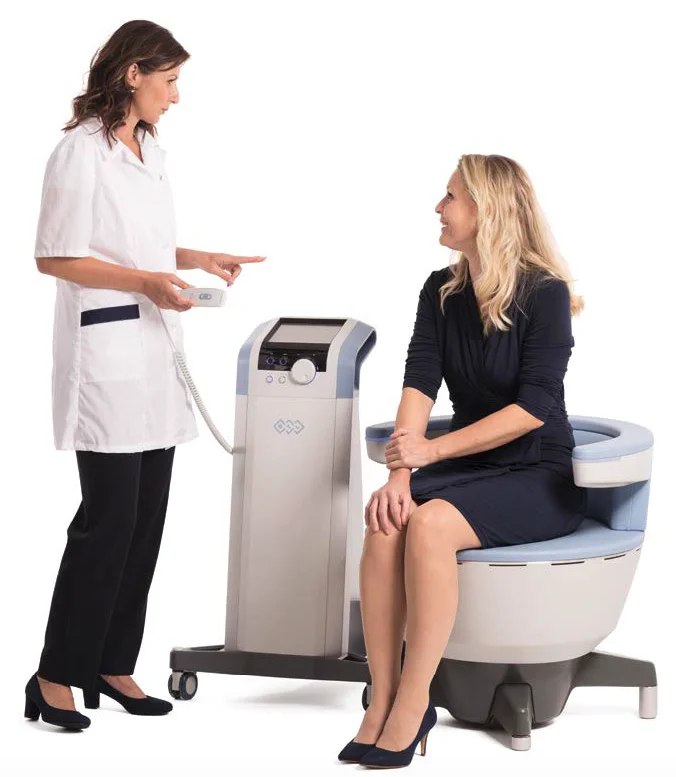
From a practical perspective, EMSELLA® offers a straightforward treatment protocol: patients remain clothed, sessions are under thirty minutes, and there is no required recovery time. Typically, a series of six to eight sessions is recommended based on the severity of pelvic floor issues. This simplicity encourages compliance, especially among active women who have delayed seeking treatment. The primary demographic includes postpartum women, those in the peri-menopausal stage, and high-impact athletes. Additionally, interest in this technology is growing among urologists and functional medicine practitioners, particularly regarding its application in male pelvic health post-prostatectomy.
Multicenter studies have indicated substantial improvements in urinary symptoms and overall intimate well-being. Notably, a 2023 study reported a 68% reduction in incontinence symptoms after one year. Other research highlights increased sexual satisfaction and enhanced comfort for patients with pelvic floor weakness. As clinicians, our role is evolving; we must not only treat existing conditions but also proactively identify early functional imbalances that can detrimentally affect quality of life.
The pelvic floor is often a neglected topic during routine health consultations. However, a few targeted inquiries can reveal significant, long-standing issues that patients face. Non-invasive solutions like EMSELLA® represent an exciting addition to a comprehensive, functional, and preventive healthcare strategy.
Dr. Nadège Roquet

Dr. Nadège Roquet specializes in obstetrics and gynecology, focusing on functional and aesthetic gynecology as well as intimate surgical procedures. Her mission is to empower women to maintain their gynecological health, intimate well-being, and overall confidence.