Exploring the DC and Marvel Crossover Phenomenon with Urban Comics
Explore the historic crossover between DC and Marvel comics, from the first collaboration in 1976 to the upcoming 2026 releases of Batman/Deadpool and Superman/Spider-Man.
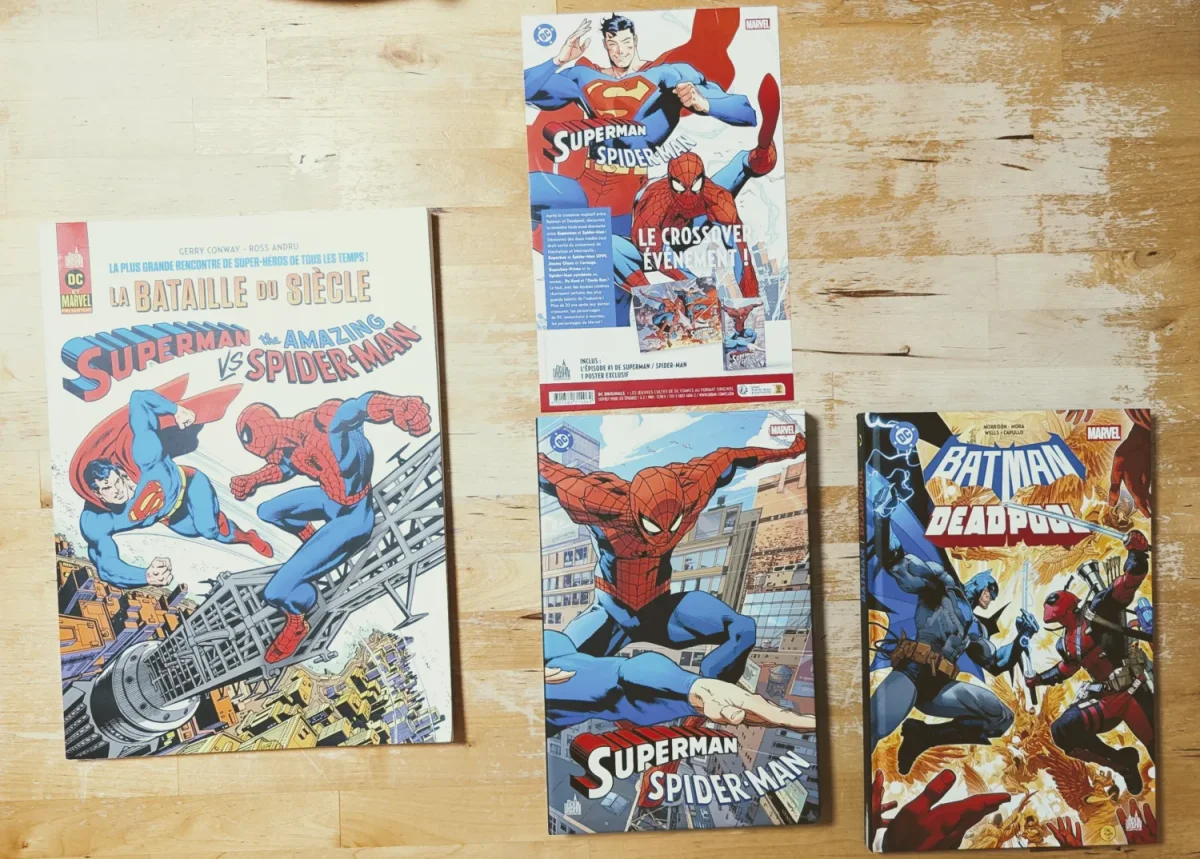
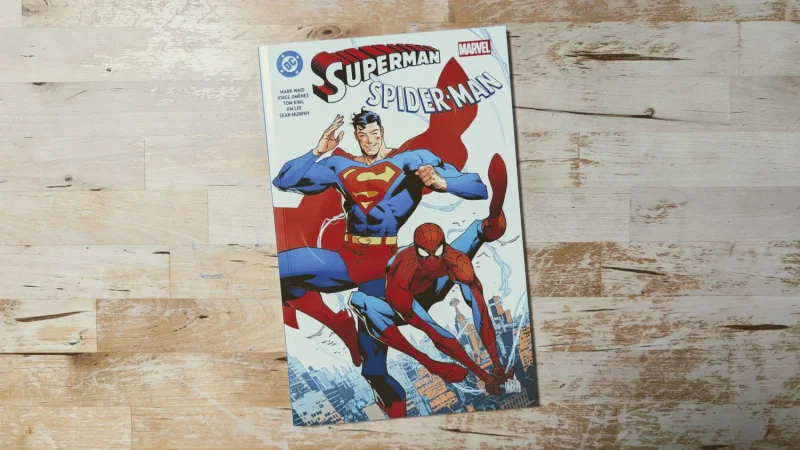
In the realm of comic books, there are collaborations that seem improbable. Yet in January 1976, an extraordinary event unfolded: Superman and Spider-Man shared the same page, marking a historic crossover that has since become a cherished tradition, revisited every fifty years like a fine vintage wine. Urban Comics is set to reignite this legacy in 2026 with two new story arcs, Batman/Deadpool and Superman/Spider-Man, offering a fresh perspective on how these two rival comic book giants have learned to share their most iconic characters over time.
1976: A Collision of Two Worlds
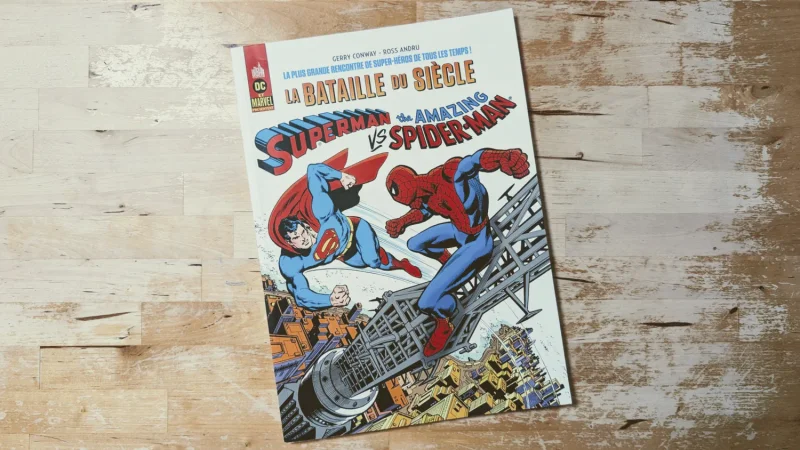
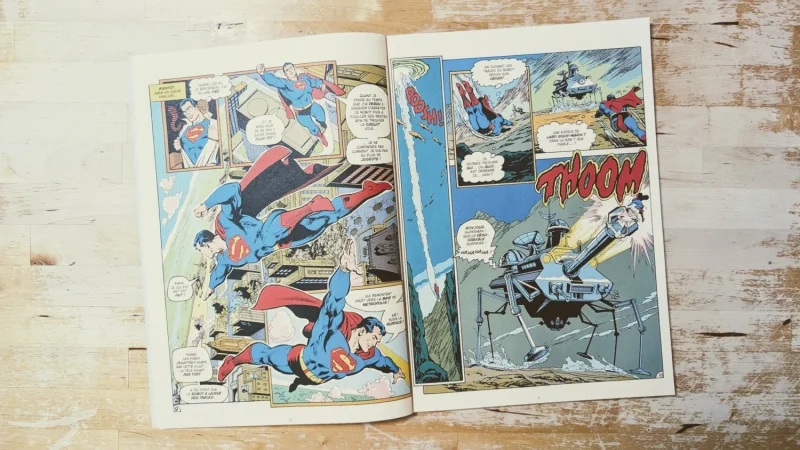
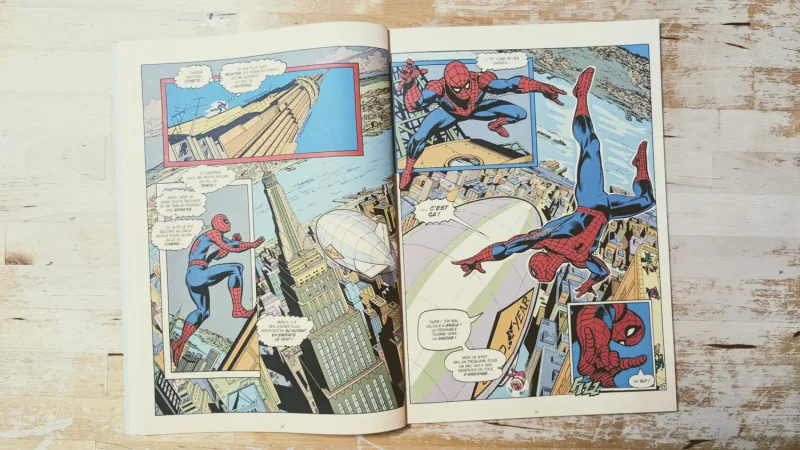
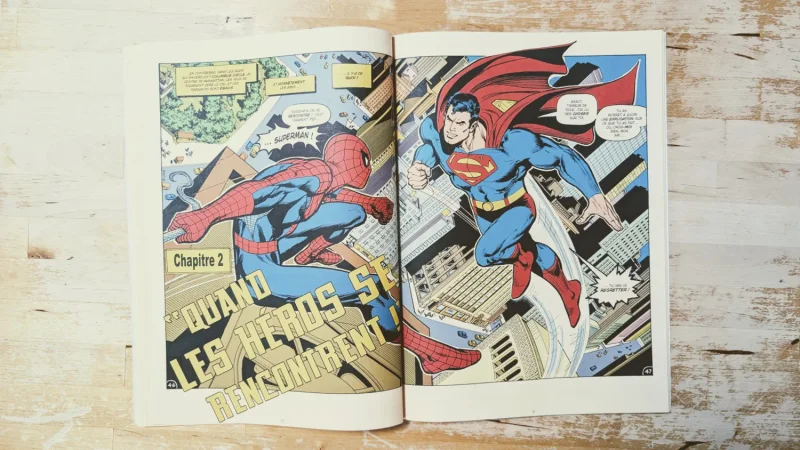
To grasp the significance of the current crossover, one must revisit that pivotal moment in January 1976. At that time, DC and Marvel had only tentatively tested the waters with a low-risk adaptation of The Wizard of Oz. However, with Superman vs. The Amazing Spider-Man: The Battle of the Century, the stakes were raised significantly. For the first time, both companies aligned their most iconic figures in a single narrative.
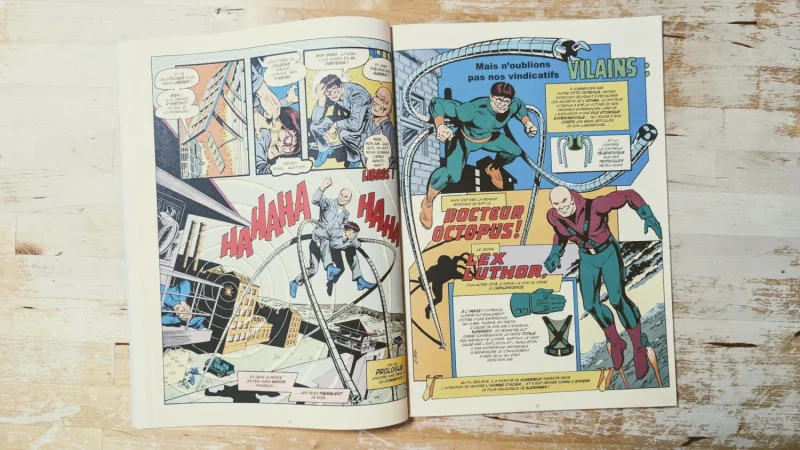
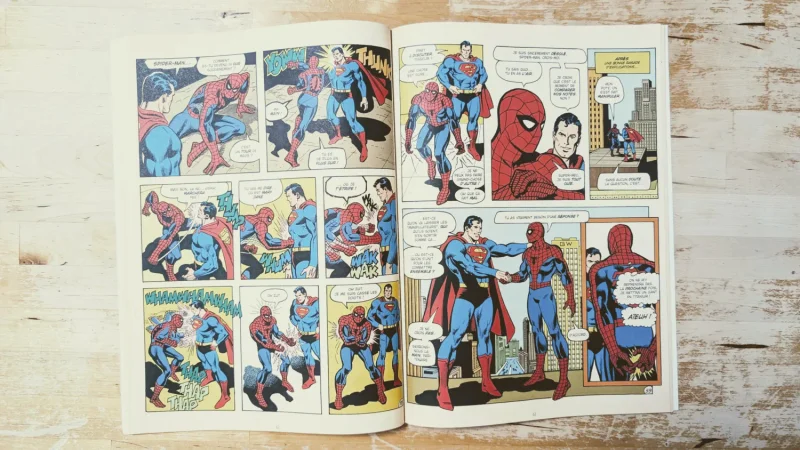
The story was penned by Gerry Conway, who had experience with both publishers, while the artwork was crafted by Ross Andru. This tale brought Superman and Spider-Man together, initially pitting them against each other before they united to confront an unlikely alliance of Lex Luthor and Doctor Octopus. In the accompanying reissue, Stan Lee shared the almost naive excitement of the creative teams involved, while Carmine Infantino candidly noted that many doubted the crossover would work on paper. This serves as a reminder that sometimes, unconventional ideas can yield the most memorable comics.
The cover art carries its own narrative. Dick Giordano refined Ross Andru's sketches, striving to capture the perfect poses for the two heroes. The choice of setting was deliberate: should the scene unfold atop the skyscrapers of New York or the Empire State Building? Ultimately, a more neutral locale, reminiscent of King Kong, was chosen, ensuring that neither hero overshadowed the other. Every detail was meticulously considered, reflecting the intent of both DC and Marvel to stand proudly alongside one another.
2026: Reviving a Partnership Thought to Be Over
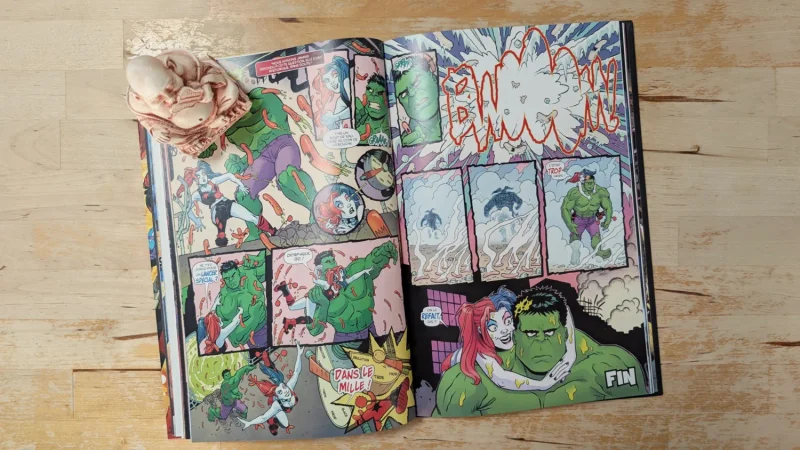
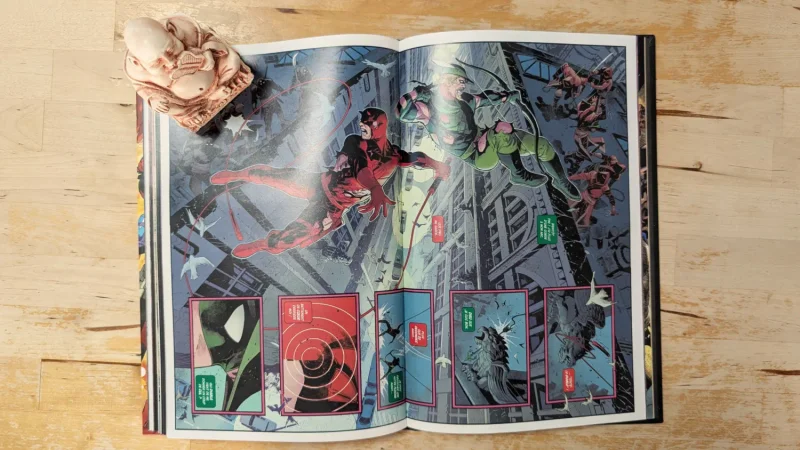
Fast forward over twenty years, and DC and Marvel are once again collaborating with two simultaneous story arcs: Batman/Deadpool and Superman/Spider-Man. The premise remains similar to that of 1976, offering the same event from two distinct perspectives, this time featuring a multitude of writers and artists from both companies.
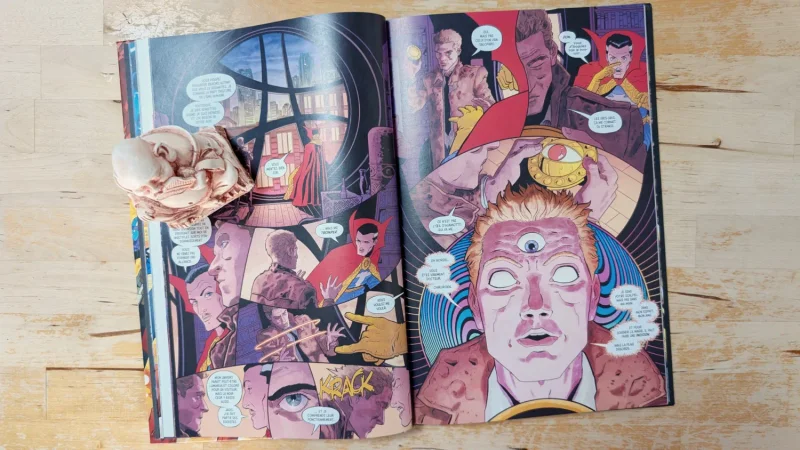
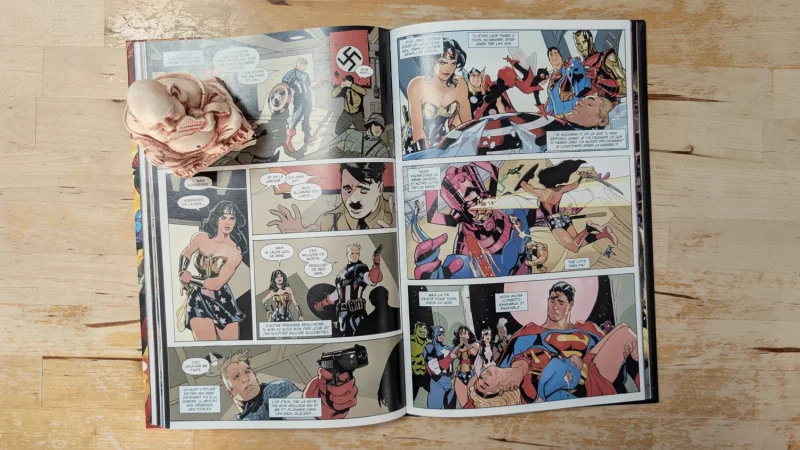
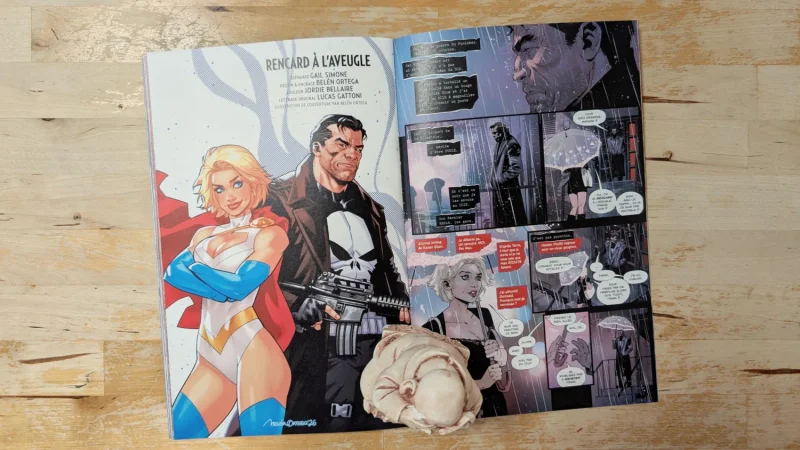
On the surface, this could appear to be just another marketing gimmick. However, what stands out is the boldness of certain character pairings. The idea of Wonder Woman and Captain America discussing their differing views on justice, or Constantine and Doctor Strange comparing their magical egos, transcends mere commercial appeal. It showcases a dialogue between two interpretations of the superhero genre, ultimately leading to mutual respect.
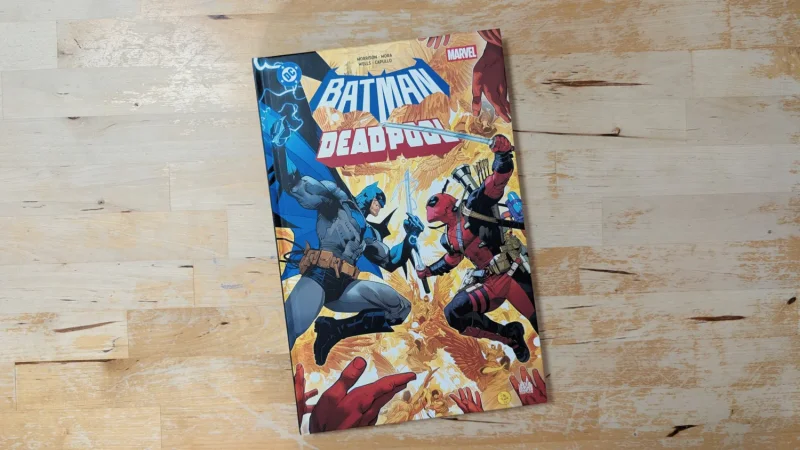
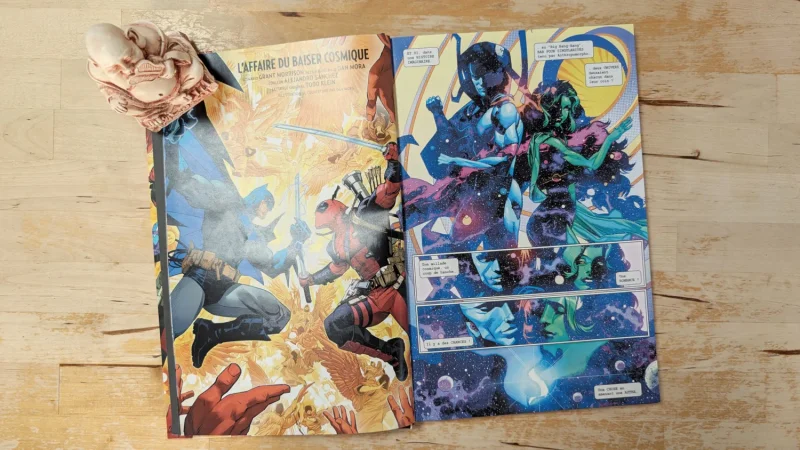
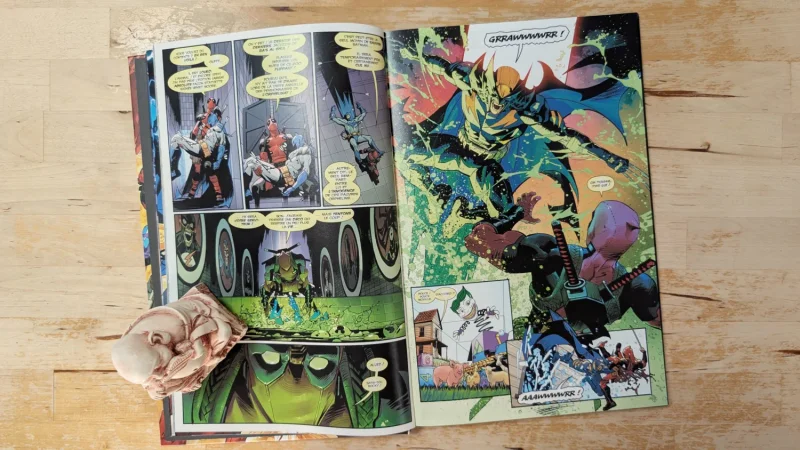
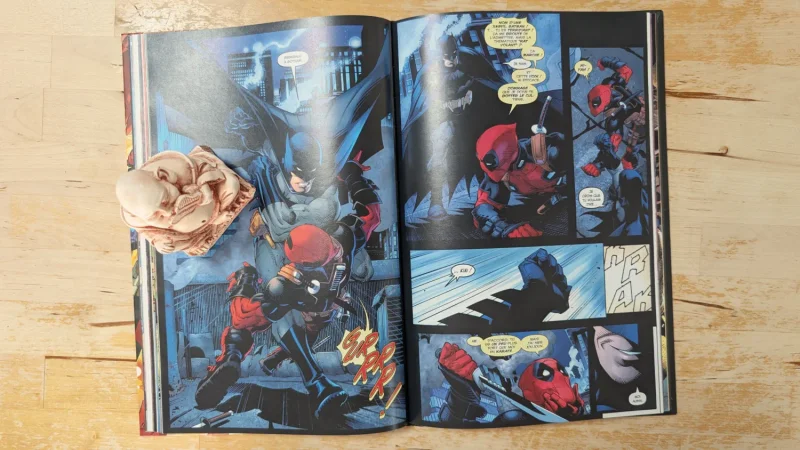
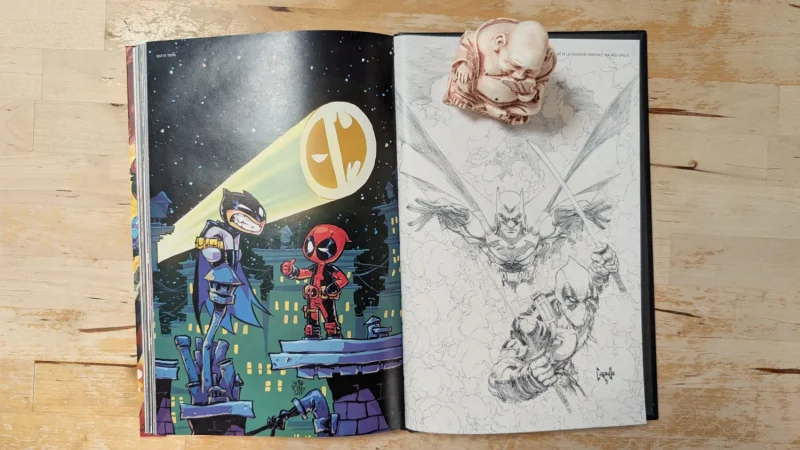
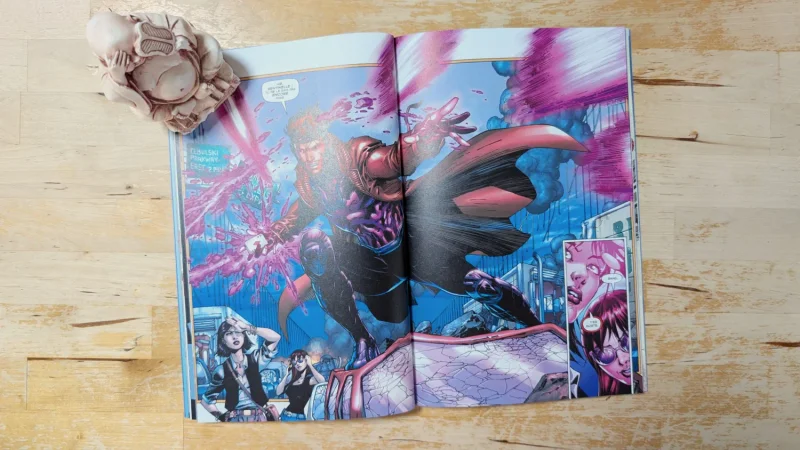
And then there's Deadpool. As expected, in the storyline that bears his name, he steals the spotlight. The Cosmic Kiss Case, crafted by Grant Morrison and illustrated by Dan Mora, features Deadpool teaming up with Batman to face off against Cassandra Nova from the X-Men universe. Known for his penchant for tonal shifts and meta-narratives, Morrison allows the merc with a mouth to break the fourth wall, resulting in a dialogue-heavy yet entertaining experience. The challenge of blending Batman's almost mythic seriousness with Deadpool's relentless irony could have easily faltered, yet Dan Mora's dynamic artwork elevates the narrative. The outcome is surprisingly delightful and worth savoring.
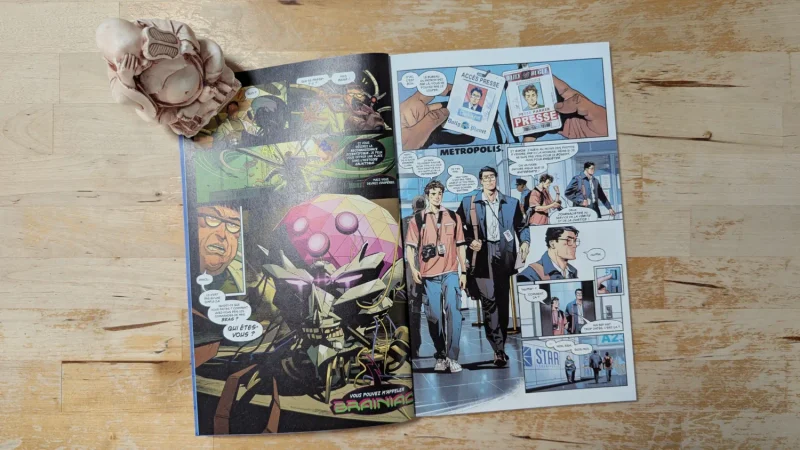
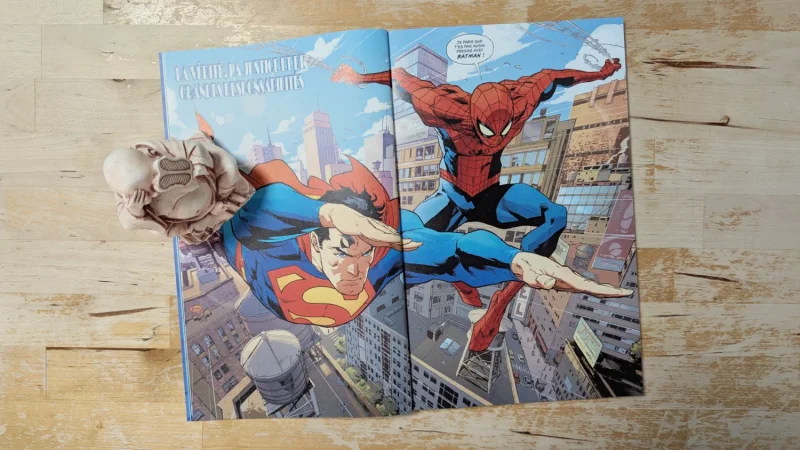
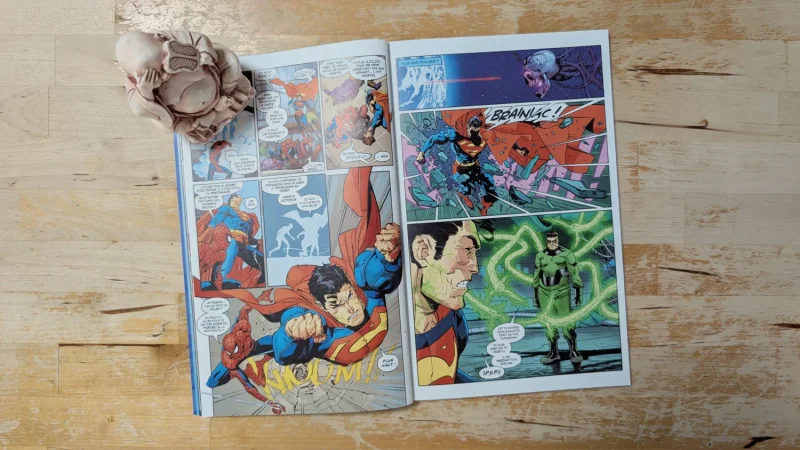
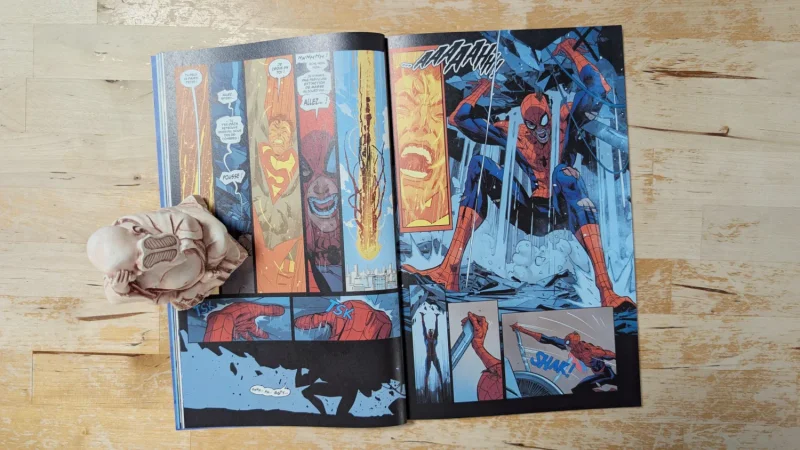
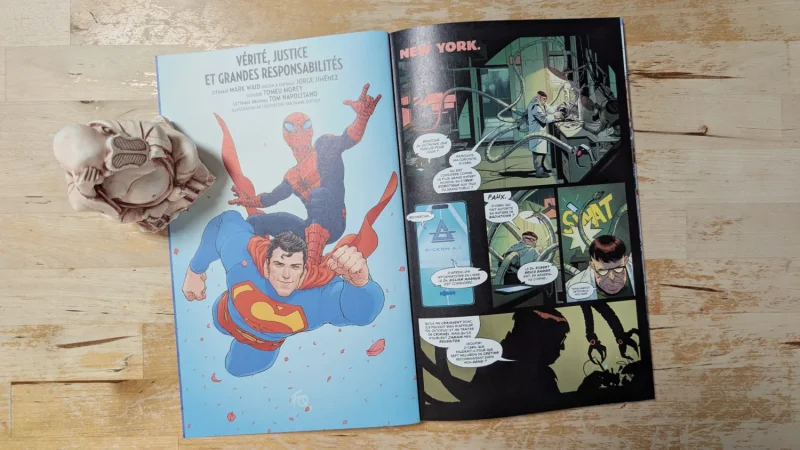
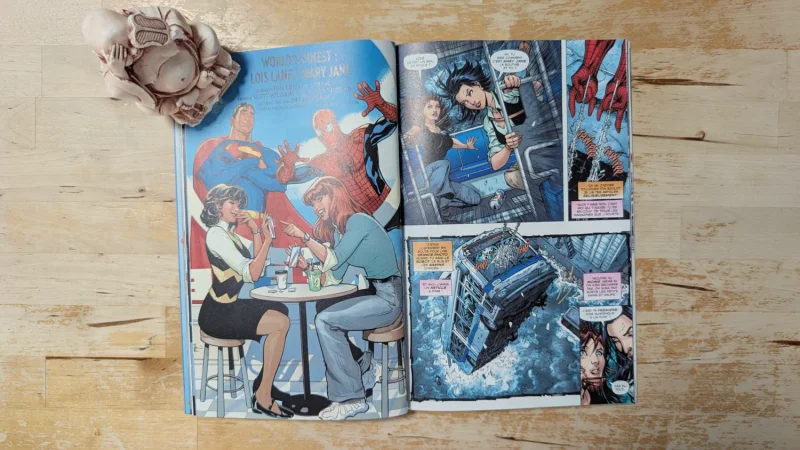
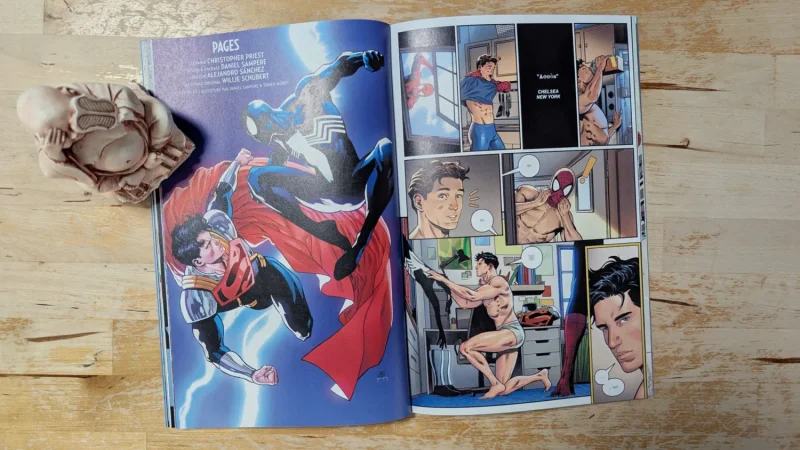
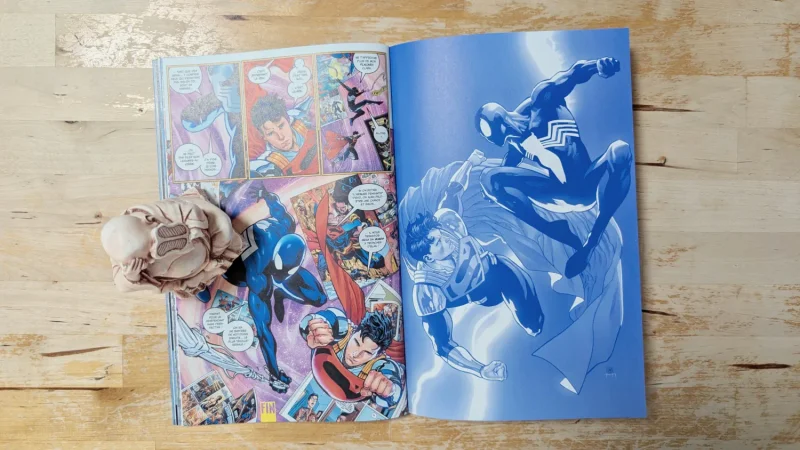
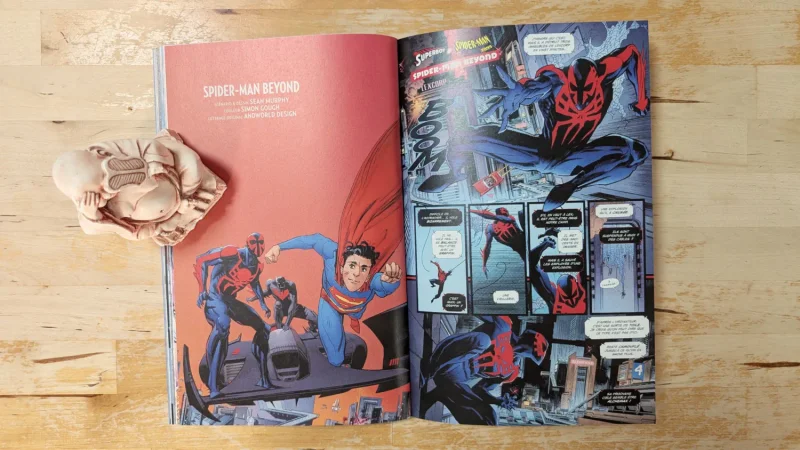
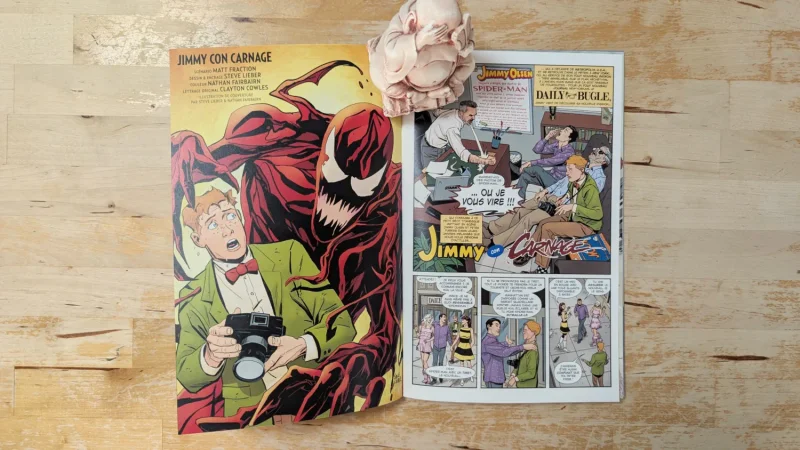
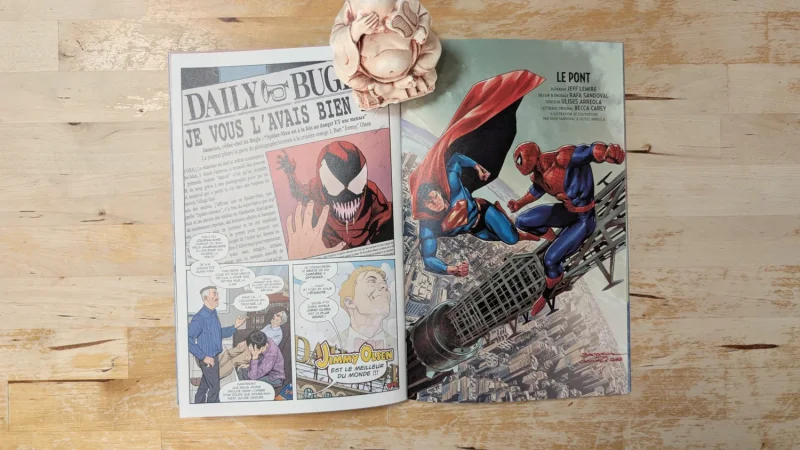
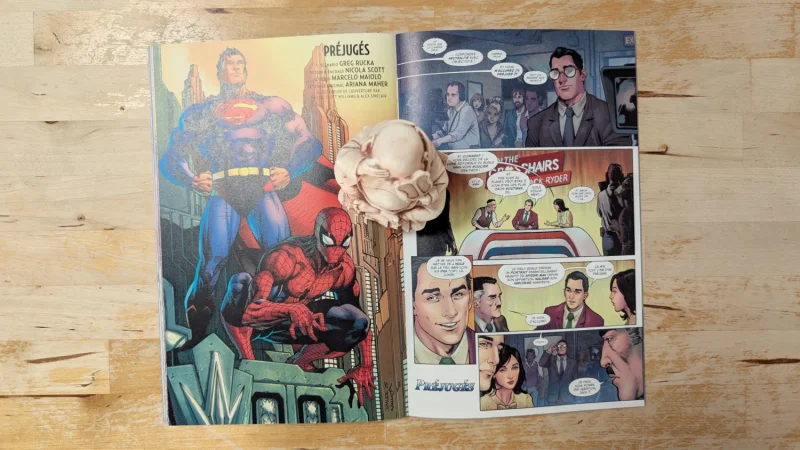
In contrast, the Superman/Spider-Man arc takes a more personal approach. The main narrative, led by Mark Waid and illustrated by Jorge Jiménez, features Clark Kent and Peter Parker collaborating on an investigation against Brainiac and Doctor Octopus. However, it is the shorter stories that truly enrich this collection. Jimmy Con Carnage, penned by Matt Fraction and illustrated by Steve Lieber, presents the comical Jimmy Olsen facing off against Carnage in New York, infused with dark humor that contrasts with the main storyline. Additionally, a tender moment between Lois Lane and Mary Jane Watson, written by Tom King and illustrated by Jim Lee, offers a reflective pause from the action, illustrating that crossovers can also embrace slower, more intimate storytelling.
The Future of the Crossover Partnership
The lingering question for readers is: what comes next? The DC/Marvel partnership extends beyond these two printed story arcs. In the United States, two new digital crossovers are already available, designed for vertical scrolling: The Flash/Fantastic Four and Supergirl/Blade. These narratives are slated to be compiled into a printed collection, Cosmic Kiss Caper & Other Stories, expected for release in the U.S. this fall.
As of now, Urban Comics has not announced any French editions of these webtoons or the upcoming collection. While the partnership remains vibrant across the Atlantic, there is no guarantee that it will manifest in France in its current form. It's best to temper expectations rather than fantasize about a release that exists only in our minds and on American servers.
Urban Comics: An Editor Embracing Bold Ventures
Such audacious editorial endeavors are characteristic of Urban Comics. Established in 2011, this subsidiary of Dargaud acquired the DC license from Panini during a period when comics were struggling commercially in France. The launch coincided perfectly with DC's editorial revival through the New 52 and was boosted by the cinematic success of The Dark Knight Rises. Within a few years, Urban became the second-largest comic book publisher in France, just behind Delcourt's Walking Dead and ahead of Panini.
This history likely explains why Urban was able to navigate both sides of these DC/Marvel diptychs, rather than allowing Panini to take on the Marvel aspect as might have been expected. Such boldness lends this partnership its unique flavor, transforming what could have been a trivial collaboration into a significant editorial event. For now, the story remains open, and with countless superheroes still available on both sides, the future promises to be intriguing.