Film Trends and Recommendations for 2026: What to Watch Out For
As 2026 approaches, film fans can expect significant trends in cinema and streaming. Discover how technology and changing viewer habits will shape the industry.
As we approach 2026, movie enthusiasts can anticipate a thrilling year ahead, marked by significant shifts in both cinema and streaming landscapes. New technologies are reshaping film production, while viewer habits are evolving. Many audiences now seek quick insights, solid film recommendations, and clear information on which upcoming titles are worth their time. However, with an overwhelming number of trailers, releases, and buzz, it often leaves viewers wondering: What aligns with their tastes, what can be overlooked, and which film trends should they be aware of?
The silver lining is that clear patterns are already emerging. Major studios continue to leverage established franchises, while streaming platforms expand their exclusive offerings. Additionally, there is a noticeable rise in international productions, a stronger emphasis on event cinema, and an increasing integration of artificial intelligence in filmmaking. This means more choices for audiences, but also a greater need for guidance.
This article aims to provide a comprehensive overview of the key developments in the film industry. We will explore blockbusters, streaming services, independent films, technological advancements, audience behavior, and how to filter through the noise to find the best titles. This way, you'll be better equipped to discover suitable film recommendations, spot important trends for 2026 early, and keep track of upcoming releases in both theaters and streaming services.
Event Cinema and Recommendations for Memorable Screen Experiences
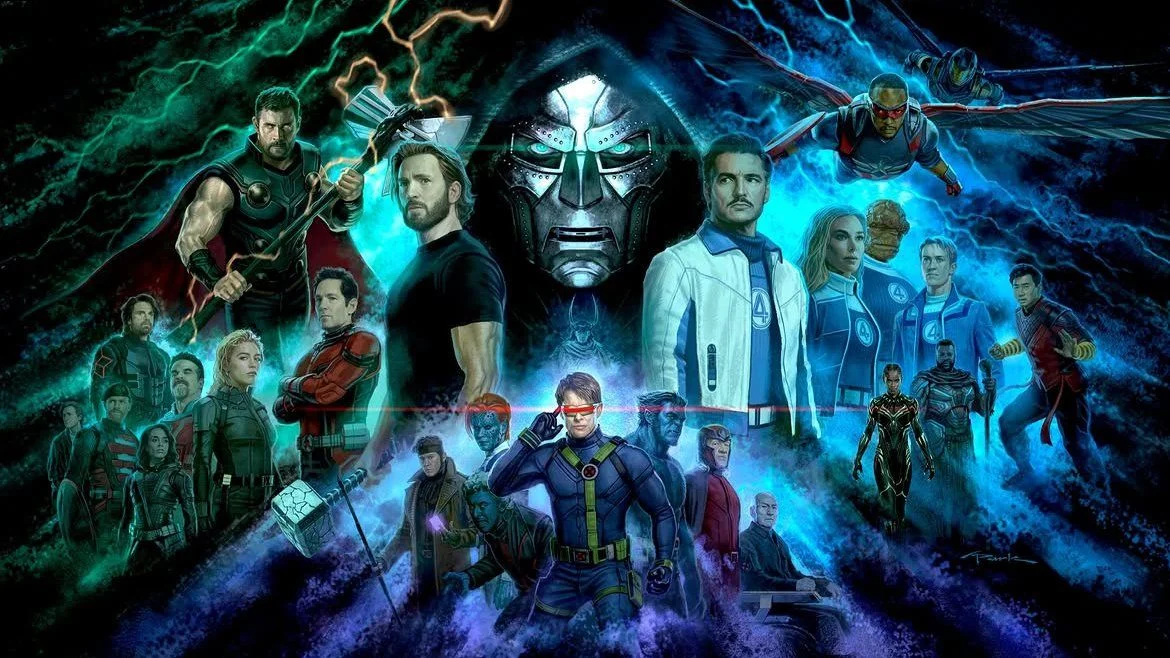
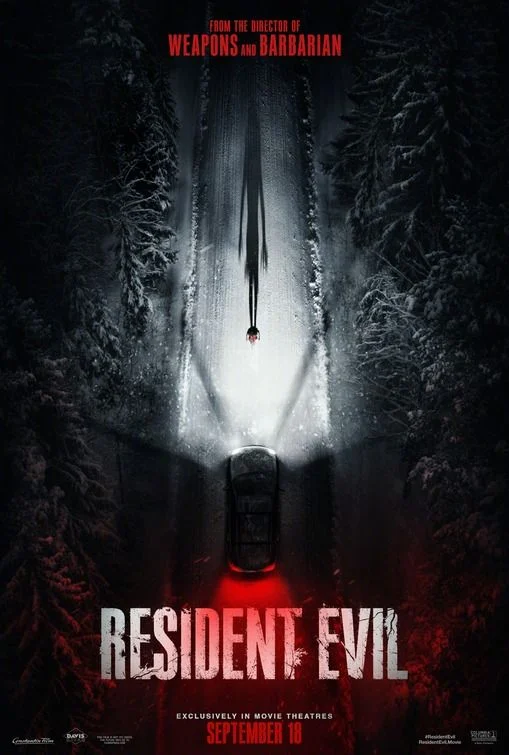
In 2026, cinemas will remain venues for grand experiences, with an increasing trend towards event cinema. This refers to films that are designed to be experienced collectively rather than just viewed individually. High-profile action films, science fiction, fantasy, and horror titles with strong buzz, along with familiar franchises, will continue to dominate the landscape.
For studios, a theatrical release must now be an event in itself. A film needs to feature striking visuals in trailers, compelling characters, engaging memes, fan discussions, and a release date that captures attention. This is evident in the marketing strategies for major franchises, where entire campaigns are often built around a single film release.
Key Developments in Cinema for 2026
| Trend | What It Entails | Impact on Audiences | |-----------------|------------------------------------------------------|------------------------------------------------| | Event Cinema | Major brands, strong trailers, exclusive releases | Increased hype, clearer must-see titles | | Franchise Focus | Familiar universes mitigate risks | More sequels and spin-offs | | Targeted Releases | Theaters remain crucial for premium titles | Make earlier decisions about what to watch in theaters |
For viewers, this means that not every theatrical release aims to be all-encompassing. Many upcoming films will be tailored to specific audiences. If you're on the lookout for blockbuster experiences, our overview of action films for 2026 will highlight titles specifically designed for the big screen.
Streaming Becomes More Personalized
Streaming continues to be the primary channel for many film fans in 2026. However, the rapid growth of content is outpacing audience attention. Consequently, platforms are increasingly focusing on personalized recommendations, curated homepages, and exclusive content. The emphasis is shifting from sheer volume to relevance.
This shift alters how viewers search for films. Rather than sticking with a single service, many now compare options based on release dates, genres, and exclusivity. A typical decision-making process looks like this:
How Many Viewers Choose Their Films in 2026
- They watch a trailer on social media.
- They check if the film is available in theaters or on streaming.
- They compare runtime, genre, cast, and initial reviews.
- They make spontaneous decisions based on mood and available platforms.
As a result, concise overviews are becoming increasingly valuable. Those seeking to know which upcoming films are intriguing on specific platforms can save significant time with a well-organized list. Genre-specific hubs, such as those for Netflix films in 2026, can be particularly useful. Additionally, reviewing comparisons of the best films and series on streaming platforms for 2026 can help you not only follow trends but also pinpoint quality recommendations.
International Productions Gain Visibility
One exciting trend for 2026 is the rising prominence of international films. Productions from countries like South Korea, India, France, Spain, and Germany are no longer viewed as niche offerings. The accessibility of streaming has lowered barriers, allowing quality content to cross language borders more swiftly. What once was a hidden gem can quickly become a global topic of discussion.
This shift impacts both production and marketing strategies. Studios are increasingly developing content with international appeal in mind, selecting casts, settings, and themes that resonate across multiple markets. Simultaneously, audiences are becoming more willing to embrace subtitles when the narrative is compelling.
For German viewers, this trend is promising, as 2026 is likely to showcase more European titles in mainstream contexts. German productions, in particular, have opportunities to shine if they are clearly defined and do not straddle the line between art-house and mainstream. Those seeking targeted recommendations can find a great starting point in our list of the best German films for 2026.
Previously dominated by a few major U.S. releases, the cinematic landscape is now more diverse. This evolution brings greater variety but also necessitates clearer guidance. Quality editorial curation will be more important than mere lists of new releases.
AI, Virtual Production, and New Workflows Transform the Market
Technology will be a significant driver in 2026, influencing not just visual quality but also production processes. Virtual sets, digital pre-visualization, AI-assisted planning, and automated post-production are streamlining workflows and helping to identify risks earlier. While machines do not create films, they are involved in various stages of the process.
Virtual production is particularly noteworthy, allowing scenes to be planned in digital environments before filming begins. Lighting, camera movements, and spaces can be tested earlier, reducing the need for physical set changes and making complex worlds easier to manage.
Where AI Will Most Likely Assist the Film Industry in 2026
- Reviewing large volumes of material
- Subtitle creation and localization
- Scheduling and budget planning
- Trailer analysis and audience testing
- VFX preparation and editing suggestions
Despite these advancements, challenges remain. AI raises questions regarding copyright, stylistic imitations, and creative control. For studios, 2026 will be a year of balance: testing new technologies while communicating cautiously. For audiences, this impact will be felt indirectly, as films will be released more quickly in multiple languages, trailers will be better tailored to target demographics, and production quality may improve even for smaller budgets. For deeper insights into the creative management behind these processes, consider exploring articles on the role of directors in modern filmmaking and how AI is transforming the film industry.
Original Content Faces Challenges but Remains Vital
When discussing upcoming films, the conversation often gravitates towards established franchises, and it's easy to see why. These familiar brands offer a sense of security. However, there is still room for original content. While marketing original films can be more challenging, they can perform exceptionally well in streaming or as surprise hits in theaters, provided they have a strong concept, an immediately engaging premise, and a recognizable target audience.
In 2026, expect two simultaneous trends: major studios will continue to capitalize on known universes, while the significance of mid-sized films that do not aim to appeal to everyone will grow. These productions will shine through their tone, ideas, and recognizability. Genres such as horror, thrillers, romantic dramas, and clever comedies are likely to excel in this space.
The industry's best practice currently emphasizes reduced risk and clearer profiles. Instead of developing expensive original films without a clear audience focus, studios are more likely to create productions that are immediately understandable in marketing and genre. This approach also aids viewers in their selections. For those not wishing to engage with every trend, curated recommendations are often more beneficial than simple release calendars.
Independent films in 2026 will remain particularly intriguing. They often showcase surprising titles that later become conversation starters. While not all will achieve mainstream success, many will provide insight into evolving storytelling styles and themes.
Nostalgia Remains Strong, but Fans Demand Higher Quality
Nostalgia will continue to be a powerful force in 2026. Reboots, sequels, legacy continuations, and new entries in established franchises will shape the market. However, this trend is no longer automatic; audiences have become more discerning. Simply having a recognizable title is insufficient. Fans expect respect for the original material, modern interpretations, and a genuine reason for revisiting these stories.
This is especially true for major franchises with long-standing fan bases. Expanding a universe requires balancing accessibility for new viewers while satisfying long-time fans who do not want to feel that their beloved brand is merely being exploited. This tension will characterize many upcoming films in 2026.
A notable example is series films that benefit from being discovered or revisited in the correct order. Context is crucial in helping new entries fit into established worlds. Our guide on the Harry Potter films in the correct order exemplifies how recommendations can provide not just new content but also orientation within expansive universes.
The solution for studios is clear: less repetition, more distinct creative direction. For viewers, this means taking a closer look at direction, tone, and narrative ideas in nostalgia-driven projects, rather than solely focusing on the familiar name.
How to Find Better Film Recommendations in 2026
With an increasing number of releases, making choices has become a task in itself. Effective film recommendations are thus not left to chance; they require a few simple filters. You don’t need to know every new series or film. Instead, you need a system that fits your lifestyle.
A Practical Filter for Your Selection
First: Decide based on mood, not just hype. Are you in the mood for something light, thrilling, or epic? Second: Assess the distribution channel. Some films are far more impactful in theaters, while others are perfect for home viewing. Third: Take into account the film’s runtime and genre to align with your available time and preferences.
By utilizing these strategies, you can more effectively navigate the crowded film landscape of 2026, ensuring that your viewing experience is both enjoyable and satisfying.