
Ingrown Nail on the Hand: Treatment and Prevention
An ingrown nail on the hand is an uncomfortable situation that occurs when the edge of the nail grows into the surrounding skin. This guide covers causes, symptoms, treatment options, and prevention methods.
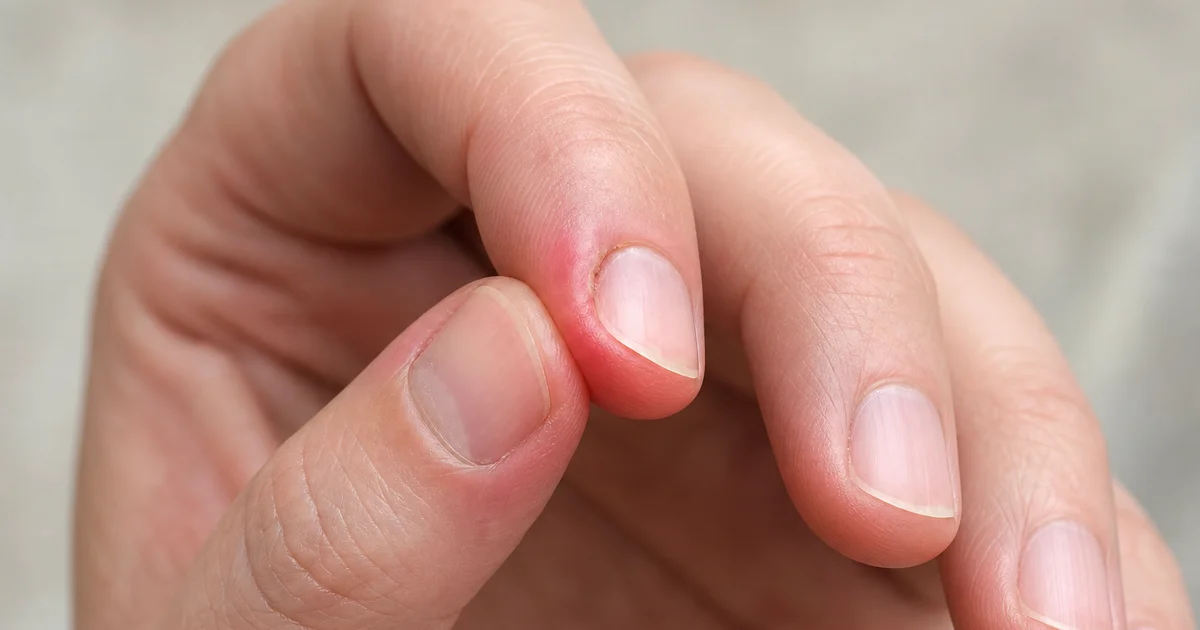
An ingrown nail on the hand is an uncomfortable condition that occurs when the edge of the nail grows into the surrounding skin. While this issue is less common than on the feet, it can be just as painful and potentially problematic. Contrary to popular belief, this is not merely an aesthetic concern; inadequate care can lead to infection or inflammation of the finger. If you are looking for quick and effective relief, you are in the right place. This article guides you through the causes, warning symptoms, and concrete solutions for treating your issue, whether you prefer natural or professional care.
Short on time?
- An ingrown nail on the hand often results from trauma, improper cutting, or genetic predisposition.
- Key symptoms include pain, inflammation, and sometimes discharge or odor.
- You can start with home care: soaking, strict hygiene, and applying antiseptic.
- Consult a professional if you notice an infection, intense pain, or if the nail does not improve within 2-3 weeks.
- Prevention involves regular nail hygiene and cutting them straight across.
What is an Ingrown Nail on the Hand and Why Does It Occur?
An ingrown nail forms when the edge of the nail penetrates the skin of the lateral groove (the area between the nail and the cuticle). It is generally less frequent on the hands than on the feet, but it remains a real issue. The hands are subject to constant micro-traumas: keyboard friction, accidental bumps, and handling sharp objects. These repeated minor incidents weaken the nail structure.
The main causes of an ingrown nail on the hand include direct impacts to the finger, improper nail cutting (too short or at an angle), genetic predisposition, and sometimes natural nail dystrophy. Unlike the feet, where body weight plays a significant role, the hands are primarily victims of external trauma. If you frequently use your hands or participate in contact sports, your risk increases.
Ingrown Nail on the Hand vs. Foot
You may wonder why ingrown nails are less common on the hands. The answer lies in the constant pressure and tight footwear that create an ideal environment for this condition on the feet. On the hands, ingrown nails primarily occur after a shock or improper handling. Additionally, infections progress differently; on the hands, they can spread quickly because fingers are more active and less protected.
Moreover, ingrown nails on the hands often resolve more quickly with simple hygiene care, while those on the feet frequently require professional intervention. This is good news for you: most cases of ingrown nails on fingers can be managed at home if you act quickly.
Recognizing the Symptoms of an Ingrown Nail on the Hand
The initial signs are quite recognizable. You will feel localized pain at the edge of the nail, especially when pressing or touching your finger. The area becomes red, swollen, and sensitive to touch. If an infection sets in, you may notice pus discharge, an unpleasant odor, or abnormal warmth around the finger.
Here are the symptoms to watch for closely:
- Sharp pain at the edge of the nail, worsening when wearing tight rings or gloves
- Redness and swelling of the lateral cuticle
- Sensation of heat or burning in the finger
- Discharge of pus or clear fluid
- Unpleasant odor emanating from the finger
- Difficulty bending the finger or using it normally
If you observe these signs, do not delay. The sooner you act, the greater your chances of resolving the issue at home. Neglecting an infection can worsen and lead to a felon, a more serious finger infection requiring urgent medical attention.
How to Treat an Ingrown Nail on the Hand at Home?
Let’s start with the good news: most ingrown nails on the hand can be effectively treated at home if you address them promptly. Here’s a method I recommend to friends who face this issue.
Step 1: Soaking and Regular Cleaning
This is fundamental. Soak your finger in warm soapy water for 15 to 20 minutes, two to three times a day. The warm water softens the skin and nail, reducing inflammation. Use a mild, non-aggressive soap. After soaking, dry your finger thoroughly with a clean towel. This step greatly helps reduce pain and creates a healing-friendly environment.
You can also add a teaspoon of sea salt or white vinegar to the water for enhanced antiseptic effect. Personally, I prefer sea salt: it’s natural, inexpensive, and really effective.
Step 2: Use the Right Tools and Techniques
After soaking, you need to create space between the nail and the skin to prevent further embedding. Use a soft nail file or a small wooden stick (also known as a toothpick) to gently lift the nail. Never use sharp metallic objects, as you risk worsening the situation. Place the stick under the edge and gently lift, without forcing.
Do this gently and patiently. The goal is not to tear the nail but simply to create a slight gap so it no longer presses on the skin. Repeat this maneuver once or twice a day. Over the days, you will notice the nail repositioning naturally.
Step 3: Apply Antiseptic and Protective Ointment
After lifting, apply a mild antiseptic like Betadine or diluted hydrogen peroxide. This helps prevent infection. Allow it to dry for a few minutes, then apply a healing ointment or a light antibiotic cream (such as Bacitracin or Cicatryl). Lightly bandage the finger with a sterile dressing to protect it.
I recommend wearing light cotton gloves afterward to prevent the finger from rubbing against your clothing. Friction can slow healing and worsen discomfort. Change the dressing once or twice a day, especially after soaking.
Step 4: Maintain General Hygiene of the Finger
Between soaks, keep your finger dry and clean. Avoid situations that increase pain: wearing tight rings, prolonged soaking in water (even while bathing), or wearing wet gloves. Cut your other nails straight and to the appropriate length to prevent the infection from spreading.
Also, pay attention to what you touch after care: avoid dirty objects or non-sterile surfaces. Your hands touch everything, and a vulnerable finger only needs a small opportunity to become further infected.
When to Consult a Professional for an Ingrown Nail on the Hand?
Even though home care is effective, there are times when you should seek expert help. I don’t recommend this lightly: it’s truly important for your health.
Signs You Should Consult
If after 2 to 3 weeks of regular care you see no improvement, it’s time to see a professional. Additionally, consult quickly if you notice a confirmed infection: abundant pus discharge, intense heat, worsening swelling, or fever. An untreated nail infection can lead to a felon, a serious condition that can affect the bone of the finger.
- No improvement after 3 weeks of home treatment
- Signs of infection: pus, foul odor, abnormal heat
- Unbearable pain despite care
- Swelling extending beyond the finger
- Fever or systemic symptoms
- Nail that is very curved or deformed by birth (frequent recurrences)
Your professional options include your general practitioner, a podiatrist (yes, they also treat hands!), or a dermatologist. For bacterial infections, you may need oral antibiotics. In severe or recurrent cases, a minor surgical procedure may be necessary to partially or completely remove the nail.
Preventing an Ingrown Nail on the Hand: Good Practices
As is often the case, prevention is easier than cure. If you have had an ingrown nail on the hand before, or if you fear getting one, here’s how to protect your fingers.
Proper Nail Cutting
This is THE key. Cut your nails straight across, never at an angle or too short. The nail should extend just slightly beyond the tip of the finger. Use a clean, sharp nail clipper, never a file (as it creates tears). Trim your nails as soon as they reach a comfortable length, not just when they are too long.
I often make the mistake of cutting my nails too short during intense “cleaning” phases. Big mistake! The shorter the nail, the more likely it is to grow into the skin. Always leave a small margin.
Regular Nail Hygiene
Keep your nails and cuticles healthy and clean. Moisturize them with an appropriate cream or sweet almond oil. Dry cuticles retract and leave the nail more exposed to trauma. Gently push back your cuticles with a wooden stick, never with a metal tool that could create micro-injuries.
Wash your hands regularly and dry them well. Prolonged moisture softens the nails and cuticles, making them more vulnerable.
Protect Your Fingers from Trauma
Avoid direct impacts as much as possible. If you participate in contact sports or manual work, wear appropriate protective gloves. Be mindful of your position when typing on a keyboard: a poor position can create repeated friction on the sides of the nails. Keep your nails at a practical length, neither too short nor too long.
If you have a genetic predisposition (if your parents or family have often had this issue), be especially vigilant. In this case, regular visits to a podiatrist or dermatologist can prevent recurrences.
My personal advice: I’ve noticed that ingrown nails often return when hygiene has been neglected during stressful periods. Take care of yourself overall, especially your extremities. A well-hydrated and nourished body has stronger nails and more elastic cuticles.
Difference Between Home Treatment and Professional Intervention
Still hesitating to act on your own or see a professional? Let me clarify the differences so you can make the right decision.
| Aspect | Home Treatment | Professional Intervention | |--------|----------------|--------------------------| | Cost | Very low (nothing to minimal) | €30 to €150 depending on the procedure | | Healing Duration | 2 to 4 weeks | 1 to 3 weeks | | Recurrence Possible | Yes (10-15% risk) | Low (5% depending on the technique) | | Discomfort During Treatment | Moderate pain but manageable | Initial pain, then quick relief | | Effectiveness if Infection | Limited (need for antibiotics) | Excellent (complete treatment) |
The choice really depends on your specific case. A mild ingrown nail on the hand, without infection, responds very well to home care. However, if you have a history of infection, intense pain, or marked genetic predisposition, a professional will be more reassuring and effective.
Possible Complications and Infection Prevention
I don’t want to scare you, but it’s important to understand the risks. An ingrown nail on the hand that is poorly treated can evolve into a bacterial infection called onychia or paronychia. This infection affects the nail bed and surrounding tissues. On the hand, where the fingers are constantly in use, the risk of complications increases significantly. Therefore, proper care and timely intervention are crucial to prevent serious issues.