
Decline in Birth Rates: France Records Alarming Low of 48,268 Births in February 2026
Recent statistics reveal a significant decline in French birth rates, with economic, environmental, and healthcare factors complicating family planning decisions. As the cost of living rises and societal expectations shift, the desire for children becomes a more complex choice for many.
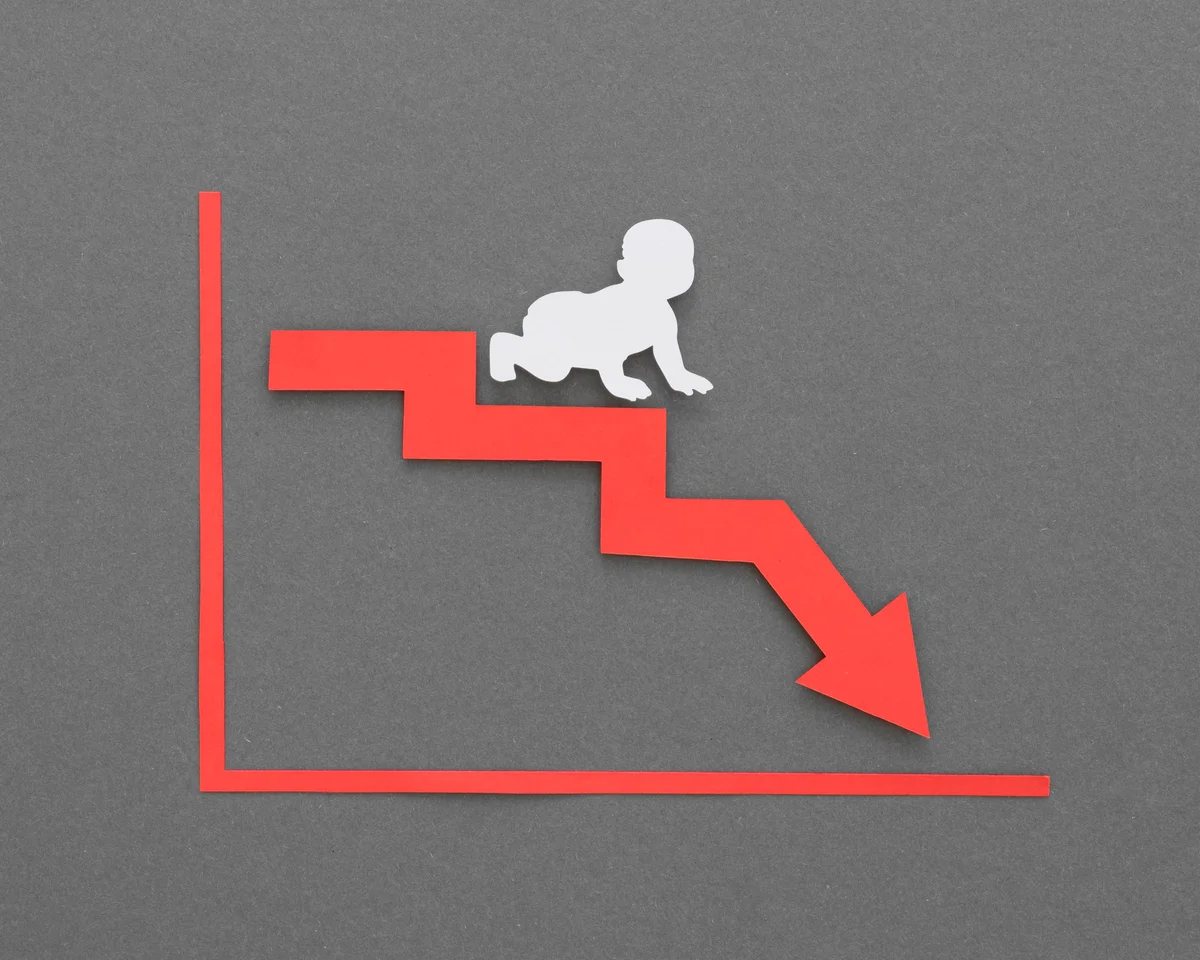
Recent data from Insee has revealed a troubling trend in France's birth rates, which have now consistently fallen below the symbolic threshold of 50,000 monthly births. Factors such as economic pressures, environmental concerns, and the increasing costs associated with health care are transforming the decision to start a family into a complex equation rather than a straightforward choice.
Housing Costs as a Major Barrier to Family Planning
In today's society, the logistics of housing have become a significant factor in the decision to start a family. In urban areas, the financial challenge of upgrading from a small T2 apartment to a larger T3 to accommodate a child has become increasingly daunting. The rising cost per square meter acts as a substantial deterrent for couples who often choose to postpone their family plans due to a lack of space.
This housing pressure is compounded by a cost of living that offers little relief to young parents. The estimated monthly budget for a newborn, covering essentials such as food, energy, and basic equipment, is around 500 euros. Many face a delayed entry into stable employment, and the struggle to secure a permanent contract before turning thirty creates a mechanical delay in family planning. Couples often feel the need to establish financial stability before embarking on parenthood, leading to a situation where waiting can sometimes result in giving up on the idea altogether.
Eco-Anxiety Influencing Parenting Decisions
Beyond financial considerations, the current state of the world weighs heavily on potential parents. A study from INED highlights a significant ideological shift among individuals aged 18 to 35: the desire for children is no longer a societal expectation but rather a well-considered, sometimes contested choice. Eco-anxiety has emerged as a pivotal factor in these decisions. Many young adults are reluctant to bring a child into a world they perceive as facing uncertain climatic conditions, or they opt to limit their carbon footprint by choosing to remain "childfree."
The acceptance of a child-free lifestyle is growing in society. Personal fulfillment is increasingly seen as achievable through career success, travel, or vibrant social lives rather than solely through parenthood. We are witnessing a profound transformation in individual aspirations, where the act of passing on one's legacy is no longer viewed as the only means of leaving a mark on the world.
Financial Strain of Fertility Treatments
When the desire for children exists, biological factors can complicate matters. With the average age of motherhood rising to 31.3 years, difficulties in conception are becoming more common. While assisted reproductive technology (ART) has become more accessible, it does not alleviate all the financial burdens, and out-of-pocket expenses for couples can be substantial. According to a study by Elsie Care, women undergoing fertility treatments spend an average of 2,487 euros annually on non-reimbursed yet essential services, such as psychological support, complementary medicine, or specialized nutrition.
Postpartum expenses continue to escalate, with an estimated 2,062 euros spent annually on mental health and well-being. Thus, becoming a parent in 2026 involves accepting a financial burden that is not always anticipated by policymakers.
Childcare Shortages Create Ongoing Insecurity
Another pressing issue is the question of childcare: who will care for the child? The shortage of nursery places and the impending retirement of many childcare workers contribute to a persistent sense of insecurity among prospective parents. The once-envied French family policy model is deteriorating under the strain of inadequate resources. The dismantling of certain benefits and the capping of allowances have led middle-class families to feel that the system no longer supports them as it once did.
The fertility rate now stands at 1.55 children per woman, significantly below the replacement level. This situation signals not just a demographic crisis but also raises alarms about the quality of life and the support provided to those wishing to embark on the journey of parenthood.