
Invisible Dental Corrections: The New Luxury in Grooming
Invisible dental corrections using aligners are becoming a modern luxury in grooming, emphasizing discreet transformation and personal investment in aesthetics.
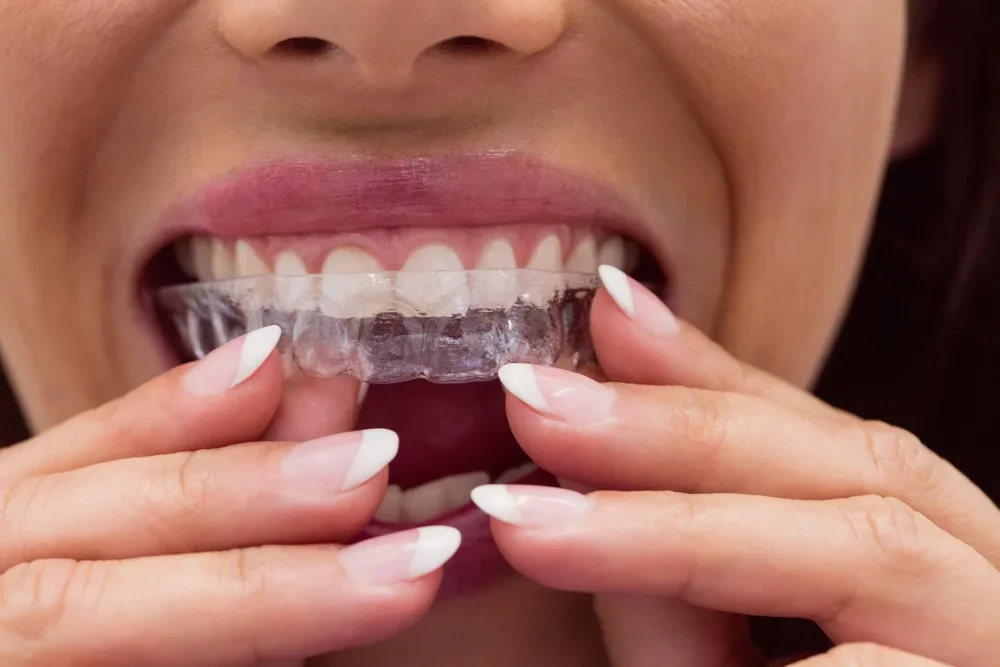
In today's upscale lifestyle segment, the markers of being well-groomed extend beyond the tailoring of jackets, trousers, and shoes, or the choice of timepieces and exclusive addresses. Subtle signals, such as skin quality, posture, and voice, play a significant role, culminating in a smile that reflects self-investment without being overtly apparent. The correction of dental misalignments using clear aligners has emerged as one of the understated tools of self-presentation, representing a form of luxury cosmetics in the 21st century. Individuals in executive positions, on stage, or in front of the camera are increasingly investing in treatments that are not immediately visible, yet their overall impact is substantial.
The New Code of Discreet Luxury
Visible status symbols are gradually losing their significance in parts of the premium market. Instead, qualities that reveal themselves upon closer inspection are taking their place. This shift is exemplified by the Quiet Luxury movement, which emphasizes understated materials, balanced proportions, and artisanal precision. Translated to personal presentation, this means an appearance free from obvious corrections, demonstrative markers, or treatments that dominate daily life.
Modern orthodontic methods fit seamlessly into this paradigm. They address misalignments without altering the facial aesthetics and can be integrated into a demanding schedule. For those who travel frequently, engage with clients, or are in the public eye, this is a crucial factor when selecting a treatment method.
How Aligners Work and Their Benefits
Aligners are thin, custom-made plastic trays that are worn sequentially to gradually shift teeth into the desired position. The treatment begins with a digital intraoral scan, allowing the target position of the teeth to be visualized in three dimensions before the process starts. Typically, aligners are changed every one to two weeks.
The treatment adheres to clear biomechanical principles. Each aligner should be worn approximately 18 to 22 hours a day for about 7 to 10 days, removed only for eating and oral hygiene. After several weeks, a follow-up appointment is scheduled at the orthodontist's office. For more complex tooth movements, small tooth-colored attachments may be affixed to enhance force transmission. Current studies indicate that aligners are applicable for over 80% of orthodontic diagnoses. However, limitations remain; severe skeletal misalignments or complex root movements may require fixed appliances or a combined treatment approach. The German Society for Orthodontics has published guidelines for categorizing these cases.
Criteria for Choosing an Orthodontic Practice
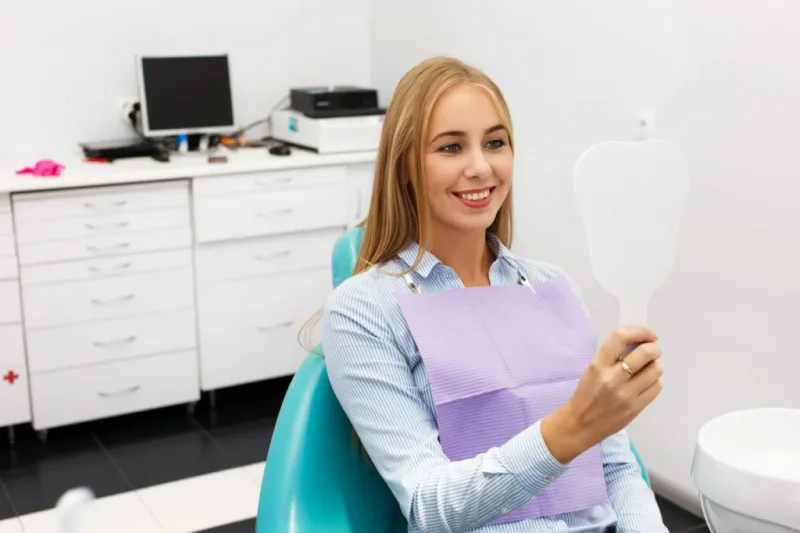
When considering aesthetic dental corrections, selecting a practice should not be based solely on price or promotional materials. Important factors include the orthodontist's additional qualifications, documented training in aligner therapy, and the presence of advanced digital diagnostic tools. This includes intraoral scanners, three-dimensional X-ray diagnostics according to the guidelines of the Federal Dental Association, and a structured treatment plan that simulates the target position.
Certifications, such as the European Master of Aligners, provide additional insight into clinical experience. In Austria, orthodontists adhere to the standards set by the Austrian Dental Chamber, which also defines quality standards for orthodontics. Furthermore, case studies with before-and-after documentation, transparent treatment and cost plans, and a well-defined retention strategy post-treatment are crucial.
Another key aspect is patient education. A reputable practice openly discusses both the limitations and advantages of the method, documents the planned number of aligners, incorporates refinement steps, and describes how to address undesired movements. Having a dedicated contact person facilitates treatment management, especially for patients who travel frequently.
Investment, Timeline, and Business Environment
The cost of aligner treatment in Central Europe typically falls within a four-figure range, depending on case complexity, provider, and region, with documented treatments often ranging from approximately €3,000 to €7,000. Publications like the Apotheken Umschau provide insights into expected costs and potential risks, such as root resorption or relapse post-treatment. Dental supplemental insurance can cover orthodontic services for adults to varying degrees, making it advisable to review policy terms before starting treatment.
Treatment duration varies widely. Minor corrections may take just a few months, while more extensive cases can require one to two years. A significant advantage in a business context is the predictability of appointments. Check-ups are typically scheduled every six to ten weeks, aligners can be changed between meetings, and the trays themselves are hardly noticeable from a distance. For frequent travelers, carrying multiple sets of aligners allows for flexible scheduling of office visits.
Discipline is crucial, as the effectiveness of the treatment directly correlates with wear time. Frequent removal of aligners can prolong therapy or jeopardize the results. Additionally, the retention phase after active treatment should not be underestimated. Fixed retainers in the lower jaw or removable trays for nighttime use are standard to maintain the achieved outcome long-term.
For those interested, an in-depth initial consultation, including clinical examination, digital diagnostics, and a written cost plan, is recommended. When comparing multiple offers, ensure that the descriptions of services are identical, allowing for true comparability of treatment scope, number of aligners, and retention services. A calm decision-making process is fitting for such a significant undertaking. A dental correction can last for decades, and selecting the right method deserves the same careful consideration as other long-term investments in personal presentation.