
Lymphatic Drainage: A Key to Wellness and Health
Lymphatic drainage is a valuable technique for health and well-being, promoting lymphatic circulation, detoxification, and relaxation. Explore its benefits and methods for self-care.
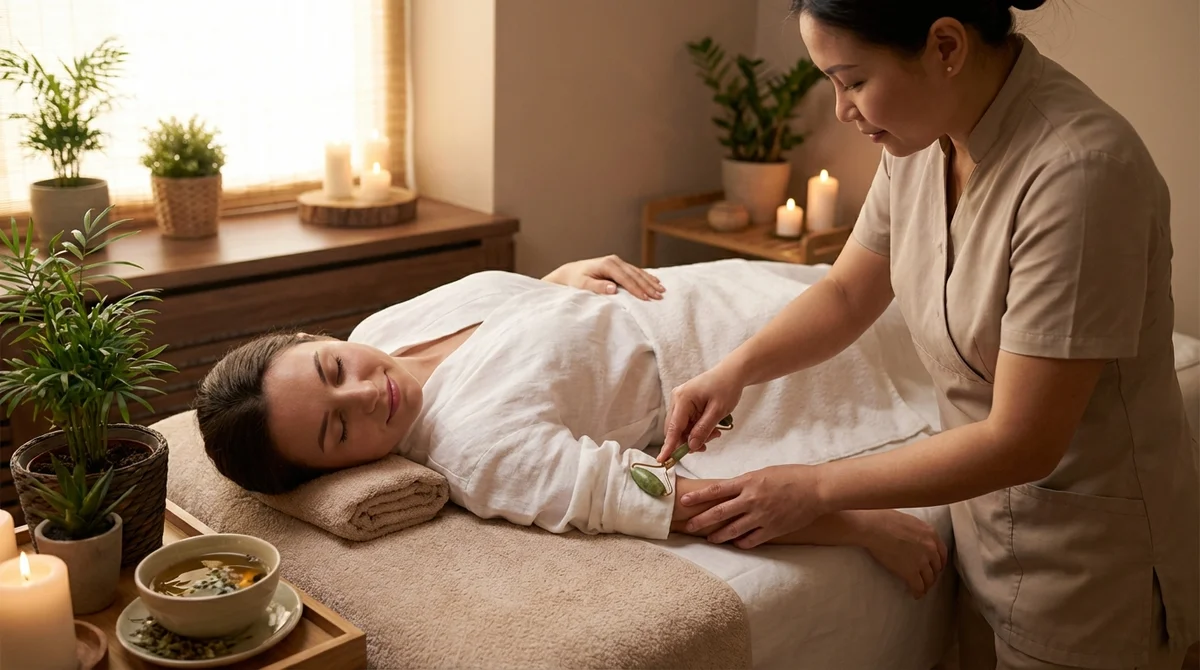
Lymphatic drainage has emerged as a vital technique for enhancing both health and well-being. Through gentle and methodical strokes, this specialized massage stimulates lymphatic circulation, which is crucial for detoxification and the regulation of bodily fluids. Beyond its aesthetic applications, lymphatic drainage serves as a natural ally by promoting relaxation, alleviating the sensation of edema, and bolstering the immune system. In a world rife with stress and pollutants, this gentle practice encourages a true rebalancing of the body, fostering significant physical and emotional well-being. While its efficacy is regularly studied, the benefits felt in terms of relaxation and lymphatic circulation remain undisputed, placing lymphatic drainage at the forefront of approved natural therapies in 2026.
In summary:
- Lymphatic drainage stimulates lymphatic circulation, aiding in detoxification and reducing edema.
- This gentle technique also supports the immune system and enhances overall well-being through its relaxing effects.
- It is particularly useful post-surgery, especially after breast cancer surgery, though its effectiveness can vary.
- Lymphatic drainage should not replace active approaches for certain types of edema; regular walking, for instance, remains essential.
- In aesthetics, it reduces cellulite and improves skin texture, enhancing the natural glow of the complexion.
- Strict contraindications must be observed, especially in cases of acute infections or severe heart diseases.
- Self-lymphatic drainage techniques can be practiced, allowing for personal care management.
How Lymphatic Drainage Works to Enhance Health and Well-Being
Lymphatic circulation operates differently from the blood circulation system; it relies more on muscle movement and breathing than on cardiac action. Lymphatic drainage leverages this characteristic by actively promoting lymph flow through its vessels. Through delicate yet precise manipulations, it aids the body in more effectively eliminating metabolic waste and accumulated toxins, thus supporting immune function. The technique also induces deep relaxation, often benefiting those suffering from chronic stress by providing a sense of lightness and tranquility post-session. More than just a massage, it represents a conscious approach to natural care that encourages sustainable health and inner balance.
Various Methods to Activate Lymphatic Circulation
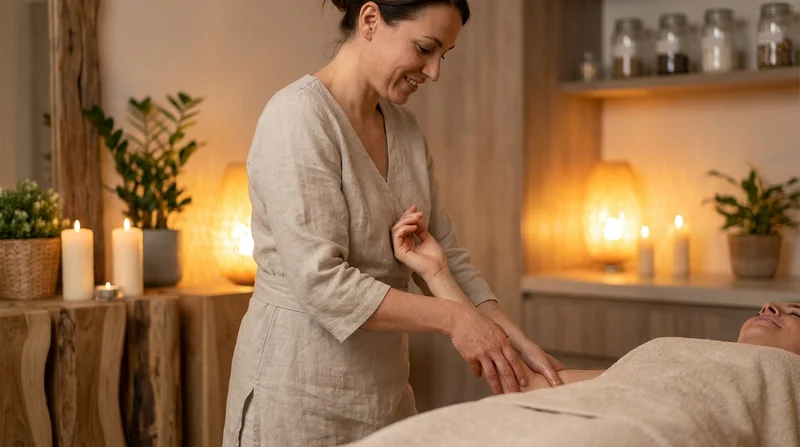
Over the decades, numerous methods have emerged, all aimed at improving lymphatic circulation. The original technique developed in the 1930s by Emil Vodder remains a benchmark, characterized by slow, rhythmic, and superficial strokes performed on a person typically lying down, accompanied by breathing exercises. Other variations, such as the Földi and Leduc methods, enrich physical therapy approaches.
More recently, a dynamic method known as Renata lymphatic drainage, named after a Brazilian physiotherapist, has gained popularity, particularly in aesthetic contexts to reduce the appearance of cellulite. Additionally, mechanical pressotherapy sometimes complements these sessions to tone heavy legs.
Each of these methods emphasizes a respectful contact with the body and a conscious gesture, essential for optimizing lymphatic circulation and fully enjoying the therapeutic and relaxing benefits.
Therapeutic Benefits of Lymphatic Drainage for Overall Health
Lymphatic drainage plays a crucial role in reducing localized swelling. Whether addressing post-surgical edema or water retention, its gentle action on the skin and subcutaneous layer mobilizes the lymphatic system to decrease these accumulations. The sensation of heavy legs thus finds appreciable relief.
Moreover, by facilitating toxin elimination, it supports the immune system, enhancing the body's natural resistance to external aggressions. Its relaxing effects on the nervous system promote deep relaxation, alleviating accumulated tensions. This unique combination of circulatory stimulation and soothing effects grants lymphatic drainage a privileged position among natural wellness therapies.
Lymphatic Drainage as a Complement to Post-Operative Care
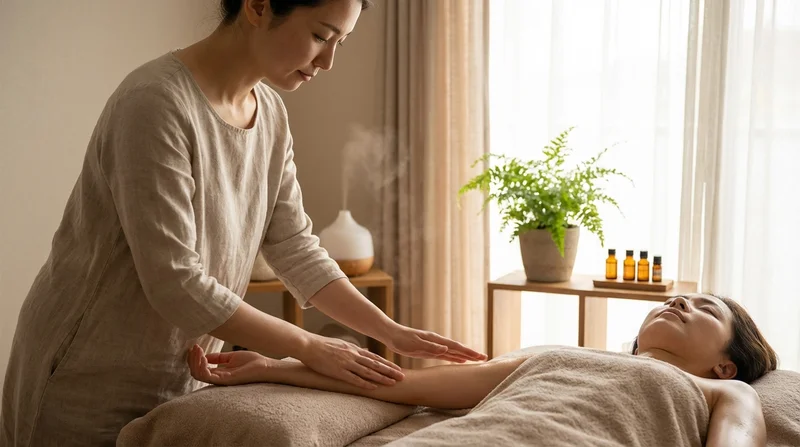
After surgical procedures, especially in oncology, localized edema is a common occurrence. Manual lymphatic drainage serves as a valuable therapeutic complement aimed at reducing stubborn swelling by stimulating fluid circulation.
However, it does not replace the necessity of an active approach: in cases such as knee replacement surgery, regular walking remains the cornerstone of recovery, enhancing mobility and blood circulation. Additionally, the effectiveness of manual lymphatic drainage alone for accelerating the resolution of edema is subject to scientific debate, particularly in follow-ups after breast cancer surgery, where recent studies indicate that this care provides moderate benefits and should be integrated into a comprehensive approach involving compression bandages and targeted exercises.
Specific Benefits for Lymphatic Disorders in Limbs
Lymphedema in the limbs, often seen after lymph node removal during breast cancer treatment, is a situation where manual lymphatic drainage becomes essential. It helps limit lymph stagnation, reduces swelling, and prevents infectious complications such as erysipelas.
In addition, the use of compression bandages, regular limb mobilization, and specific skin care are crucial. However, evidence shows that lymphatic drainage alone does not guarantee spectacular improvement, underscoring the need for a tailored multidisciplinary approach.
Common Indications
Observed Benefits
Post-operative edema (notably breast cancer) Moderate swelling reduction, improved lymphatic circulation Heavy legs and water retention Temporary relief, improved comfort Upper limb lymphedema Prevention of complications, partial improvement in limb volume Post-traumatic recovery (sprains, shocks) Relaxing effect, contribution to natural healing
Natural Care and Relaxation: A Partnership for Body Beauty and Comfort
Lymphatic drainage can also be integrated into a natural beauty routine, enhancing skin quality. By stimulating microcirculation, it reduces the appearance of cellulite, refines the silhouette by eliminating localized water retention, and restores a radiant complexion. To ensure lasting results, it is advisable to accompany it with proper hydration, a balanced diet, and regular physical activity.
For those interested in exploring additional sensory care techniques that pair well with lymphatic drainage, there are complementary methods that offer an enriching and holistic relaxation experience, particularly found in intuitive sensory massage.
Limitations and Contraindications to Be Aware Of
Despite its numerous benefits, manual lymphatic drainage is contraindicated in certain cases, such as acute infections, recent thromboembolic events, certain active cancers, and severe heart disorders. During pregnancy, specific adaptations are necessary, especially from the second trimester, under informed medical advice.
Individuals suffering from varicose veins or complex venous issues will not find this technique sufficient as a treatment and should consider other validated medical approaches. Finally, it is not a weight loss method, although it can temporarily alleviate sensations of bloating and swelling.
- Always respect medical contraindications.
- Combine drainage with an active lifestyle to maximize its benefits.
- Use the massage as a complement, not a substitute for medical care.
- Learn about self-drainage techniques to maintain lymphatic circulation between sessions.
- Incorporate dietary advice and proper hydration to optimize detoxification.
Caring for Yourself: Learning Self-Lymphatic Drainage for Greater Autonomy
Practicing lymphatic drainage can be partially self-administered, a valuable skill for maintaining lymphatic circulation daily. While learning the techniques requires some commitment, it allows individuals to avoid relying solely on a therapist and adjust the frequency of care to their personal needs. Nonetheless, it remains crucial to consult reliable resources, including professional tutorials, and to respect contraindications.
To deepen this approach, online videos clearly illustrate the appropriate movements, particularly for the face or limbs, making it easier to integrate this natural care into a wellness routine sustainably. This complements other sensory practices that promote relaxation and revitalization.
Discover how lymphatic drainage can also help improve the eye contour and alleviate signs of fatigue that develop over time, adding an aesthetic dimension to its many benefits.
You may also like



![Ici tout commence: What to Expect in Episode 1488 on Monday, July 27, 2026 [SPOILERS]](https://glowculturehub.com/cdn/images/b2d3d6d788c39a22a548df320e6d9f77/w1200.webp)