
Marine Collagen: Separating Fact from Fiction on Its Benefits
Marine collagen supplements are popular for their claimed benefits for skin, hair, and joints. Learn about their effectiveness, dosage, and how to choose the right product.
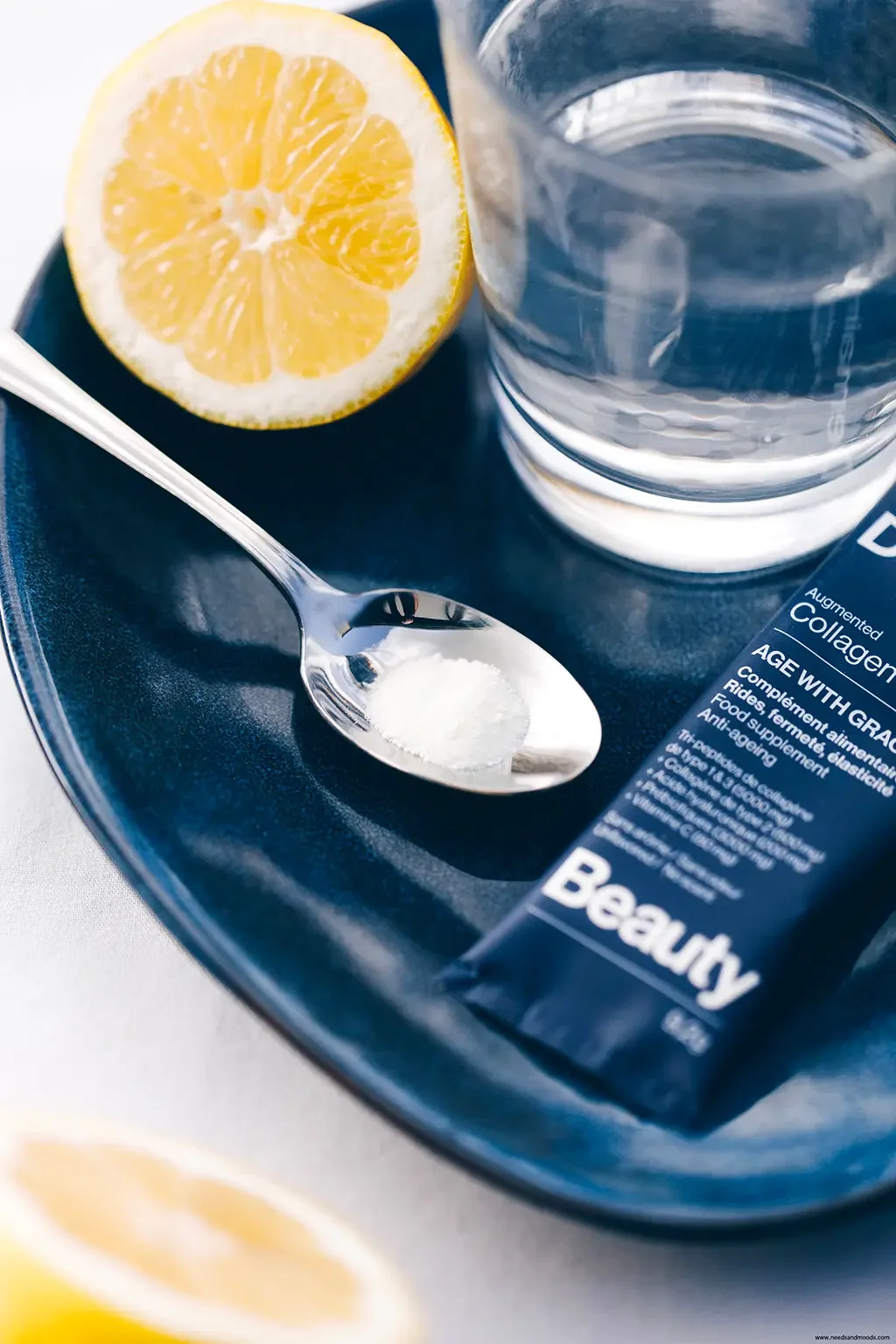
Marine collagen has rapidly risen to prominence in the beauty supplement market over the past few years. Promising firmer skin, denser hair, and more flexible joints, the claims surrounding this ingredient are enticing. But how effective is it really?
This article aims to provide clarity on marine collagen, answering key questions about its nature, anti-aging benefits, daily intake, and recommended dosages.

What is Marine Collagen?
Collagen is the most abundant protein in the human body, accounting for about 30% of our total protein content. Composed of amino acids such as glycine, proline, and hydroxyproline, collagen is found mainly in the skin, tendons, ligaments, and cartilage. It plays a critical role in maintaining the cohesion, strength, and elasticity of these tissues, acting as a biological glue.
To visualize its function, think of your body as a building and your cells as bricks. Collagen serves as the cement that binds these bricks together, keeping the structure intact.
However, as we age, our bodies produce less collagen. After the age of 25-30, natural collagen production declines by approximately 1% each year, with a more significant drop of up to 30% occurring during the first five years after menopause.
While there is no way to completely halt collagen loss, certain measures can slow the process. This includes using pro-collagen skincare, targeted technologies such as microcurrent devices, and incorporating marine collagen supplements into your diet.
Where Does Marine Collagen Come From?
Marine collagen is derived from the skin, bones, and scales of fish like salmon and cod. Importantly, fish are rarely farmed or caught solely for this purpose; instead, marine collagen is typically sourced from by-products of fishing or aquaculture, making it an environmentally friendly choice that utilizes parts of the fish that would otherwise be discarded.
What is Hydrolyzed Marine Collagen?
Before being sold as a dietary supplement, marine collagen undergoes hydrolysis, a process that breaks it down into smaller fragments known as collagen peptides. This step is crucial for better absorption in the body, as the original collagen molecules are too large to pass through the intestinal barrier.
You will often see the molecular weight of these peptides expressed in Daltons (Da). A lower weight indicates easier absorption; thus, it is advisable to choose a collagen product with a molecular weight of 2,000 Da or less to enhance bioavailability.
Rest assured, high-quality hydrolyzed marine collagen is neutral in both odor and taste, so you won’t have to worry about any fishy flavors.

Different Types of Collagen
There are 28 types of collagen identified in the human body, but only three are particularly relevant in the context of beauty supplements:
- Type I: The most abundant, making up about 90% of total collagen, found in skin, tendons, and bones.
- Type II: Primarily located in cartilage.
- Type III: Present in skin and blood vessels.
Marine collagen predominantly consists of Type I collagen, with some Type II depending on the fish part used. In contrast, bovine collagen contains Types I and III, while avian collagen (from chicken) is rich in Type II.
It’s important to note that marketing claims regarding the benefits of specific collagen types can be misleading. Regardless of the type, all collagen consists of the same three amino acids, and once hydrolyzed, the differences in concentration become negligible. The actual effectiveness of a supplement largely depends on the quality of hydrolysis, molecular weight, and proper dosing.
What Are the Benefits of Marine Collagen?
So, does marine collagen really work, or is it just a hype? While it may not provide the instant “botox-like” results some influencers suggest, clinical trials have demonstrated its effectiveness, particularly in improving skin hydration and elasticity.
For Skin: Firmness, Hydration, and Reduced Wrinkles
This is the most sought-after benefit. However, it’s crucial to understand that the collagen peptides ingested do not directly fill in wrinkles. Instead, they act as biological signals to fibroblasts (the cells that produce skin matrix) to stimulate the body’s own collagen and elastin production.
Over time, this leads to increased skin density, improved elasticity, and a reduction in the appearance of fine lines and wrinkles. Moreover, marine collagen can help maintain hydration within the dermis, resulting in a fresher, more luminous complexion.
For Hair and Nails
Marine collagen supplies essential amino acids that strengthen the scalp, nourishing hair follicles. This support can reduce premature hair loss, promote regrowth, and enhance hair density over time.
For those primarily looking to boost hair growth, combining marine collagen with supplements that contain L-cystine and L-methionine—two sulfur-containing amino acids vital for producing stronger keratin—can be particularly beneficial. These supplements are widely available in pharmacies.
The same principles apply to nails: marine collagen strengthens the skin under the nail and improves circulation to the nail matrix, leading to thicker, more resilient nails that are less prone to breakage.
For Joints
While perhaps less glamorous, studies suggest that marine collagen may alleviate joint discomfort, especially for athletes and women over 50.

Choosing the Right Marine Collagen Supplement
With numerous brands offering marine collagen supplements, it can be overwhelming to make a choice. Here are four key criteria to consider:
1. Actual Collagen Dosage
Experts recommend a daily intake of 2.5g to 10g of marine collagen over a minimum period of 8 to 12 weeks for optimal effectiveness. Be cautious with liquid forms like ampoules or sticks; the total weight of the product may not reflect the actual collagen content, as it can include flavorings or other additives. Always check the packaging for precise dosage information.
2. Molecular Weight of Peptides
A lower molecular weight generally indicates better absorption. While 2,000 Da is often cited as a benchmark, it’s more of a quality indicator than a strict rule. If the molecular weight isn’t specified, it may indicate a less hydrolyzed and therefore less effective product.
3. Complementary Ingredients
While marine collagen is beneficial on its own, combining it with the right ingredients can enhance its effects. Vitamin C is particularly important, as it is a cofactor in the body’s collagen synthesis.
4. Product Quality
Always choose reputable brands that are transparent about their sourcing and manufacturing processes. This ensures you receive a high-quality product that meets your health and beauty needs.
In summary, while marine collagen is not a magic solution, it can offer significant benefits when used correctly and in conjunction with a balanced diet and healthy lifestyle.
You may also like