
Protecting Children from the Sun: Affordable Sunscreen Outperforms High-End Brands
Finding the best sunscreen for children can be challenging due to high prices and marketing hype. A recent study reveals an affordable option that outperforms many expensive brands. Learn how to choose wisely this summer to ensure your child's safety.
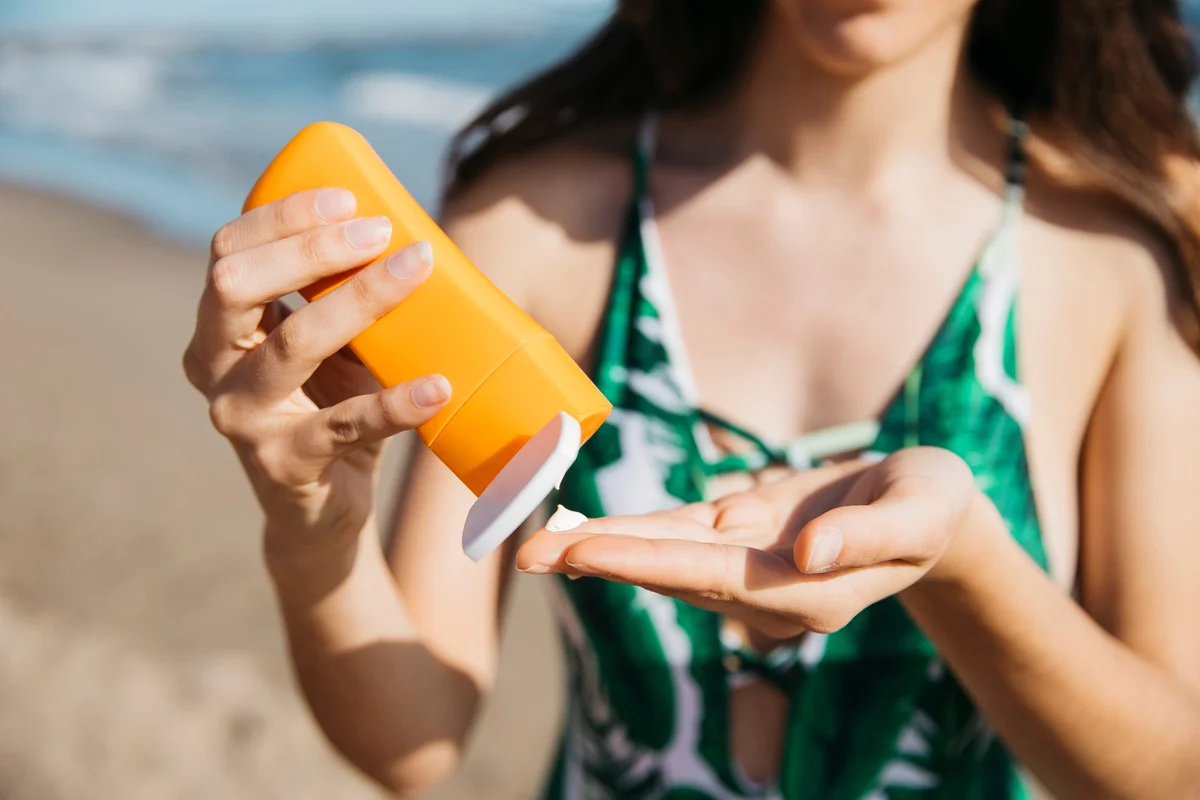
Finding the right sunscreen to protect young skin can be a daunting task, especially with the overwhelming marketing claims and high price tags in the market. However, a recent study by the consumer association Que Choisir has shed light on this issue, revealing that the highest-rated product costs less than six euros. Here’s how to make an informed choice this summer without compromising your children's safety.
High Prices Don’t Ensure Better Protection
With a plethora of premium sprays and expensive pharmacy products available, it’s easy to assume that effective sun protection comes with a hefty price tag. Yet, the analysis conducted by Que Choisir on 32 sunscreens with SPF 50 or higher indicates otherwise. The Sensitive Sun Milk from Zenova, available at Action for just 5.98 euros, emerged as the top-rated option, achieving a score of 14.7 out of 20. This sunscreen provides excellent protection against both UVB and UVA rays while being free from fragrances, allergens, and octocrylene.
In contrast, several pricier alternatives have underperformed. For instance, the Rituals spray priced at 18.90 euros only received a score of 13.1, while the Decathlon cream scored 11.8 despite its 18-euro price tag. More budget-friendly options like the Cien Sun Kids from Lidl (4.99 euros, score of 13.9) and Mustela cream (16.90 euros, score of 14.4, suitable from birth) also demonstrate that quality is not solely determined by price.
Application Quantity Affects Real Efficacy
Simply choosing an SPF 50 product is not enough if it’s applied too thinly. Laboratory protocols measure sun protection based on an application of 2 mg per square centimeter of skin. However, in real-life scenarios, particularly at the pool or beach, people tend to apply much less. The average application on children's skin is between 0.75 and 1 mg per square centimeter.
This insufficient amount drastically reduces skin safety. For instance, applying only 1 mg per square centimeter of an SPF 50 cream allows about 14% of UV rays to penetrate instead of just 2%. At 0.5 mg, the proportion of unfiltered UV rays increases to 33%. To effectively shield children's delicate skin from burns and the risk of skin cancer later in life, it’s crucial to apply generously and reapply at least every two hours, especially after swimming.
Format and Ingredients Require Careful Consideration
Selecting the right sunscreen also involves examining the application method and the ingredient list. While sprays and aerosols may be convenient, they pose a risk of inhalation for young children during application. Tube formats are generally safer, especially since components like nanometric zinc oxide are banned in sprays for respiratory health reasons.
Careful label examination is essential to avoid endocrine disruptors, phenoxyethanol (which should be avoided for children under three), and fragrance allergens. Although organic creams are reassuring due to their lack of synthetic ingredients, they sometimes lack effectiveness against UVA rays, and their mineral filters can still negatively affect marine environments and coral reefs. The Zenova milk from Action does have two minor drawbacks: a somewhat sticky texture and the use of nanoparticles, which are still under scientific observation regarding long-term effects.
Sunscreen Complements Overall Protection
Even the best sunscreens cannot block all ultraviolet rays. Sunscreen should be viewed as a complementary shield rather than a standalone solution. To keep children safe outdoors, it is essential to ensure they wear hats, quality sunglasses, and protective or UV-blocking clothing. Keeping young ones in the shade during peak sun hours remains the most effective measure to protect their skin throughout the summer.