
Protecting Children's Lungs from Smoke During Wildfires
When wildfires occur, toxic smoke can travel long distances and degrade air quality. Infants and children, being particularly vulnerable, can suffer more intensely from these pollutants. Simple measures can help secure your home and guide appropriate actions during pollution peaks.
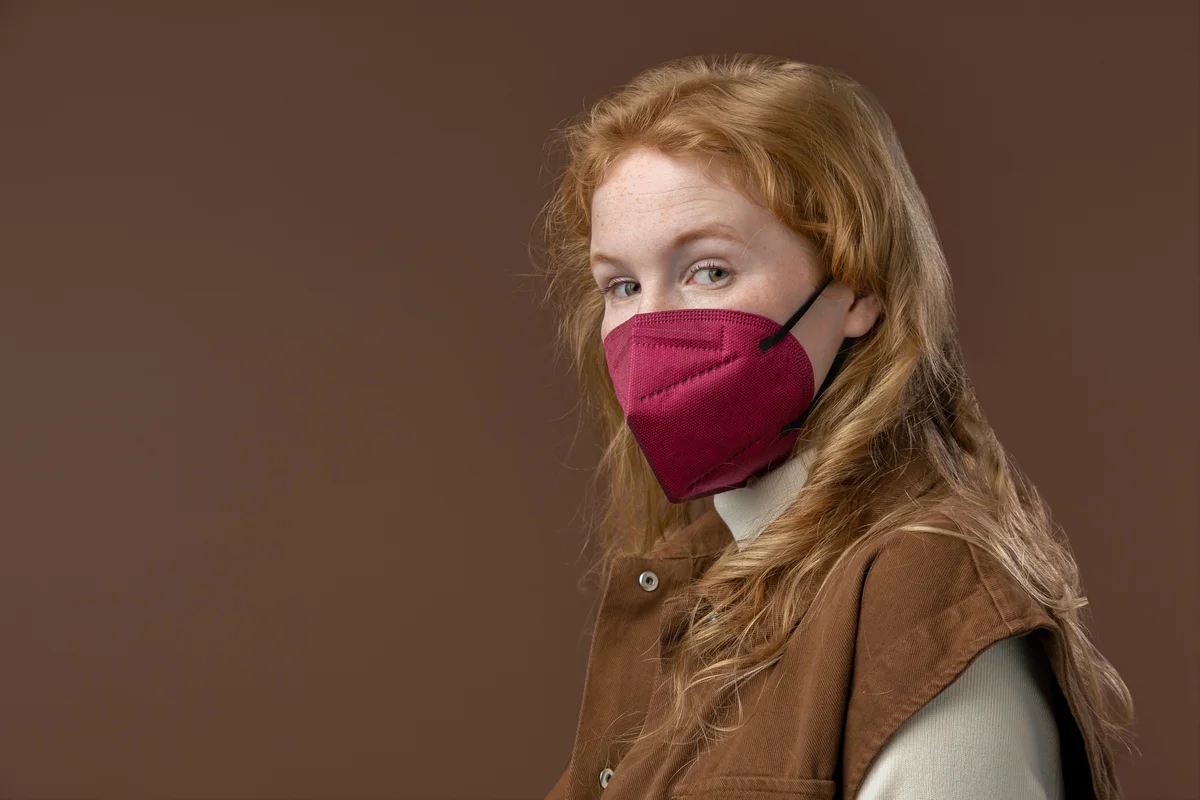
Wildfires can release toxic smoke that travels vast distances, significantly affecting air quality. Children, especially infants, are particularly susceptible to the harmful effects of smoke particles, experiencing respiratory impacts far more intensely than adults. Implementing a few simple strategies can help safeguard your home and ensure appropriate actions are taken during pollution spikes.
Children's Lungs Are Highly Sensitive to Toxic Particles
The smoke produced by forest fires consists of nearly 80% extremely fine particles. These micro-particles penetrate deep into the respiratory system, accompanied by a mix of carbon monoxide, volatile organic compounds, and nitrogen oxides. This combination is notably more irritating and toxic than typical urban pollution.
In response to this aggressive mixture, children's bodies react more strongly. In relation to their weight, infants inhale about twice as much air and thus double the amount of pollutants compared to adults. Their narrower bronchi are more prone to obstruction due to inflammation, and their pulmonary systems continue to develop throughout childhood. Such exposure frequently leads to increased coughing, asthma attacks, as well as ear infections and eczema flare-ups.
Maintaining Indoor Air Quality is the Most Effective Barrier
To protect younger children, the foremost priority is not to equip them with masks for outdoor activities, but rather to minimize outdoor exposure. As soon as smoke becomes visible or noticeable, it is crucial to seal the home by carefully closing all windows and doors. Mechanical ventilation systems should be turned off, and air inlets can be sealed with damp cloths.
Ideally, families should gather in a closed room, preferably equipped with an air purifier that has a HEPA filter suitable for the room's size. In this sheltered space, it is essential to avoid introducing additional pollutants. The use of candles, incense, cigarettes, or volatile cleaning products should be avoided. Instead of using a dry broom or a vacuum without a high-efficiency filter, a damp mop is recommended to trap dust without re-suspending it into the air.
Extra caution is necessary if a heatwave coincides with smoke exposure. For young children, the risk of overheating is more immediate and dangerous than short-term exposure to particles. A child should never be confined in an overheated home. If temperatures become excessive, it is better to move to a cooler, ventilated space that operates in a closed circuit.
Mask Usage Guidelines Vary by Age
For children under two years old, no masks are safe or recommended. The risk of suffocation is too high, and no mask can provide the necessary seal. Additionally, covering a baby’s face or stroller with a damp cloth can hinder their breathing. The most effective strategy remains to maintain clean indoor air.
For children aged two to seven, the benefits of wearing a mask are minimal. Finding an FFP2 mask that fits a small face can be challenging. Surgical masks may filter out ash but allow finer particles to pass through. They should only be used for essential and very short trips.
From the age of seven, a properly fitted pediatric FFP2 mask can provide significant protection when worn correctly. It's crucial to check the fit by placing hands around the edges to ensure no air leaks occur during exhalation. It is important to note that fabric masks, scarves, or homemade masks do not offer effective filtration against toxic substances from combustion.
Medical Monitoring is Essential During and After Exposure
If a child has asthma or known respiratory vulnerabilities, always keep their inhalation chamber and emergency medication readily available, while following the action plan established with their physician. Be aware that bronchial reactions can manifest several days after the smoke dissipates.
Certain urgent signs should prompt immediate contact with emergency services: rapid breathing, visible retraction under the ribs, bluish lips, refusal to eat, or unusual drowsiness. To assess air quality daily, rely on vigilance maps published by Atmo France or your local prefecture rather than simply judging by the smell of smoke.
You may also like



![Ici tout commence: What to Expect in Episode 1488 on Monday, July 27, 2026 [SPOILERS]](https://glowculturehub.com/cdn/images/b2d3d6d788c39a22a548df320e6d9f77/w1200.webp)