Revolutionizing Asthma Care for Children: The Role of Joe the Robot
Managing asthma medication for children is a constant challenge for parents. The robot Joe has received approval for reimbursement in France, marking a significant step for digital therapy in pediatric asthma care.
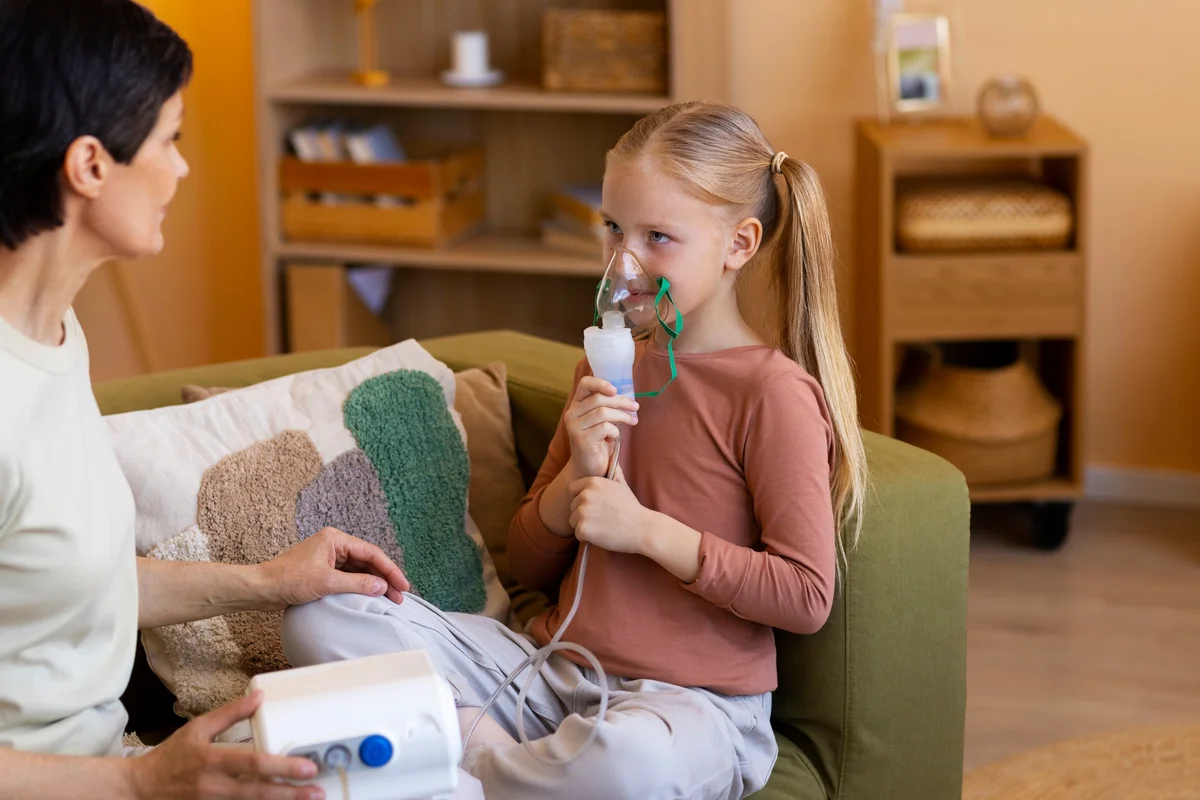
Managing medication for a child with asthma can be an overwhelming challenge for parents, weighing heavily on their mental load. A small robot named Joe has recently received favorable approval for reimbursement from the French social security system, marking a historic milestone for digital therapy in the country.
The Daily Struggle of Pediatric Asthma
Caring for an asthmatic child often involves juggling numerous appointments with specialists, worrying about nighttime crises, and constantly monitoring treatment adherence. In France, asthma affects between 14% and 16% of children, impacting thousands of families seeking solutions to ease their daily lives. While foundational treatment is crucial to prevent hospitalizations, persuading a child to consistently take their Ventolin or corticosteroids can lead to significant domestic tension.
The mental strain extends beyond the home environment. Parents must inform schools, grandparents, and sports clubs, all while hoping their child develops the right habits. To address this parental fatigue and ensure the health of younger patients, innovative technological tools are beginning to emerge in pharmacies.
Also Read: Back to School: Why Asthma Rates in Children Spike During This Season (and How to Prepare)
Joe: Empowering Children in Their Care
The Joe device, created by the French company Ludocare, is an interactive robot equipped with a screen that engages directly with children. Its primary role is straightforward yet vital: it reminds children when to take their medication and provides instructional videos to ensure they are using their devices correctly.
Rather than parents being the ones who constantly remind their child about treatment, the robot serves as a playful mediator. Designed for children ages 7 to 11, this tool enhances their sense of independence while reassuring parents. Caregivers can set up the accompanying application according to the medical prescription, allowing Joe to guide children toward effectively managing their condition.
Scientific Validation of Joe's Effectiveness
For the first time, the National Commission for the Evaluation of Medical Devices has acknowledged that a digital therapy offers genuine benefits over traditional care methods. Clinical studies have shown that using Joe, alongside standard treatment, significantly reduces severe asthma attacks, known as exacerbations, in children aged 7 to 11.
This approval specifically pertains to this age group. Current data has not yet demonstrated the same effectiveness for younger children, aged 4 to 7. The official recognition from health authorities assures parents that this tool is not merely a technological novelty but a legitimate medical device supported by rigorous data.
Reimbursement Opens Doors to Innovation for Families
By granting a favorable opinion for Joe's inclusion on the List of Reimbursable Products and Services (LPPR), the HAS paves the way for coverage by the Health Insurance system. This reimbursement will take effect once the Ministry of Health validates the decision, enabling many families to access this technological aid without straining their finances.
To qualify for this support, the device must be prescribed by a physician. It is intended for children with persistent asthma who have been on a foundational treatment for at least three months. This development signifies a shift in the healthcare system, which is beginning to embrace digital solutions to assist parents in their caregiving roles.
As families await Joe's presence in the bedrooms of young asthma patients, this advancement confirms that the voices of parents, exhausted from managing chronic illnesses, are finally being acknowledged by health authorities.