Rediscovering Eden Lake: A Forgotten Survival Thriller
Eden Lake, a survival thriller directed by James Watkins, explores social themes through a chilling narrative. Released in 2008, it remains an unsettling reflection on violence and authority.
Eden Lake
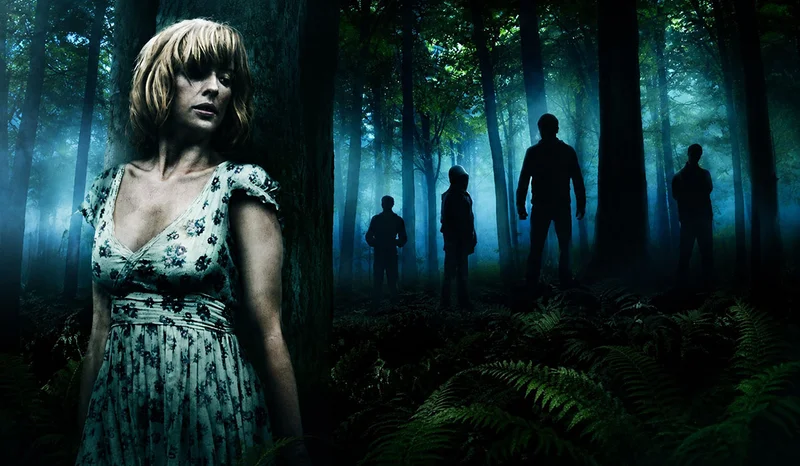
Country: United Kingdom Release Year: 2008 Director: James Watkins Screenplay: James Watkins Cast: Kelly Reilly, Michael Fassbender, Jack O’Connell Distributor: La Fabrique de Films Duration: 1h31 Genre: Thriller, Horror Theatrical Release Date: October 8, 2008 Currently Available on: Molotov TV
Rating: 3.5/5
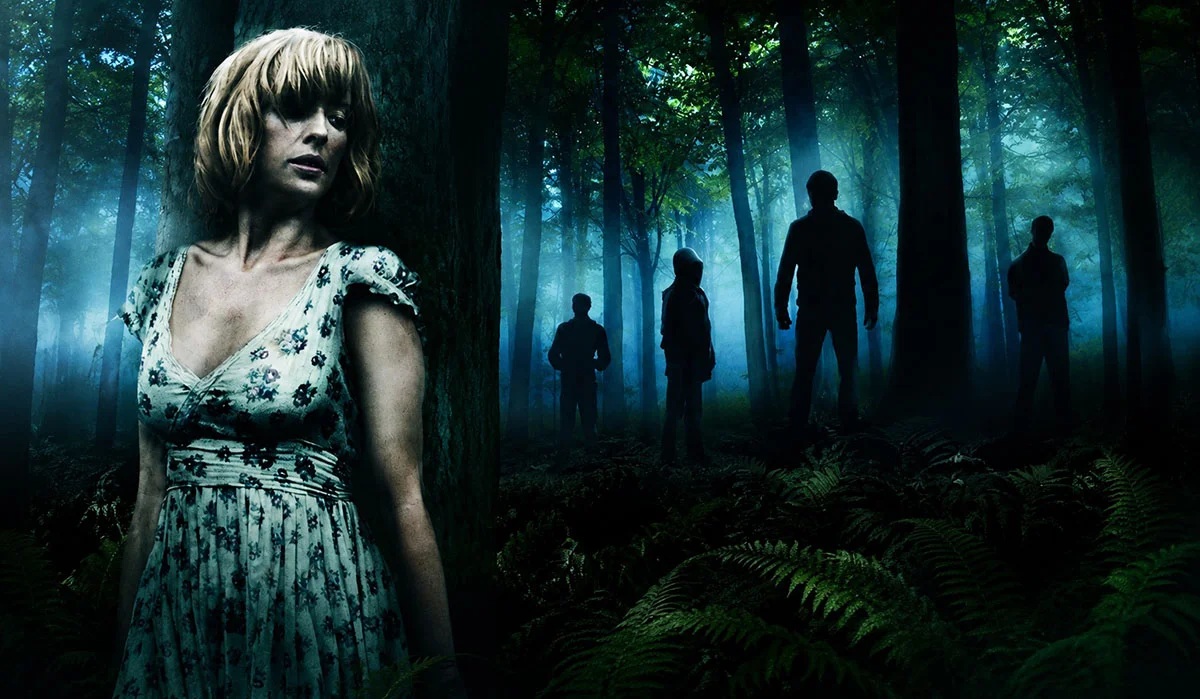
In Eden Lake, a seemingly idyllic weekend getaway turns into a nightmare. The film follows Jenny, a schoolteacher, and her boyfriend as they escape London for a romantic retreat by a tranquil lake. However, their peace is shattered by a group of loud and aggressive teenagers who set up camp nearby with their Rottweiler. When the couple asks them to lower the volume, they unknowingly provoke a violent response.
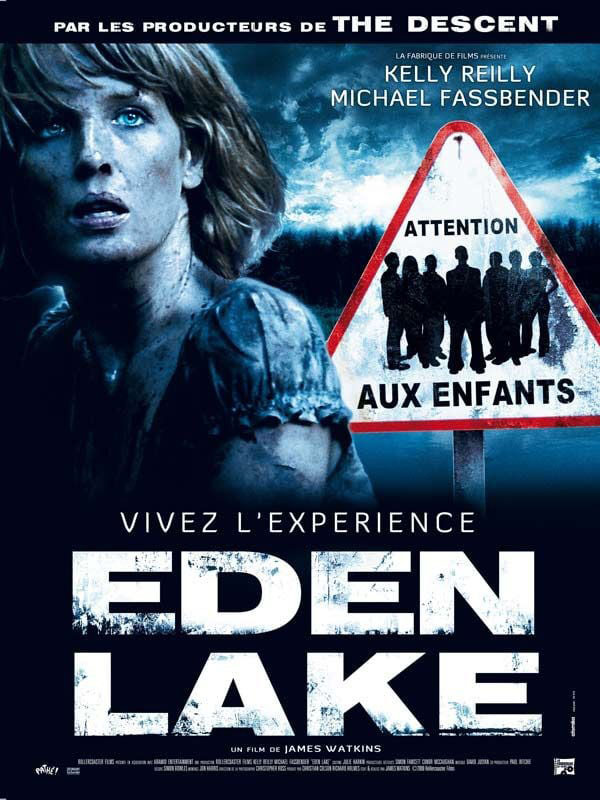
Despite its lackluster reception in France upon its release—garnering only 100,000 admissions across 124 screens—Eden Lake has emerged as an underappreciated gem in the survival horror genre. Its DVD cover, which depicted a disheveled Kelly Reilly, may not have done it any favors, but the film itself is a poignant exploration of social themes. At a time when horror films often relied on excessive gore and elaborate torture scenes, James Watkins opted for a more unsettling approach, drawing horror from the mundane.
Watkins' work can be seen as a reflection of societal anxieties, particularly in an England grappling with perceptions of a wild and unruly youth. The film subtly critiques a society where adults have seemingly abandoned authority, allowing a culture of everyday violence to flourish. This social commentary elevates Eden Lake beyond mere shock value, making it a deeply unsettling experience. While it features moments of physical violence, the real horror lies in the psychological tension, as viewers are left with the chilling realization that such events could happen in real life.
The film's impact is further amplified by its careful character development and the unsettling portrayal of the antagonist. Unlike many survival films that revel in the demise of their villains, Eden Lake presents a harrowing sense of impunity, mirroring real-life injustices. This feeling of helplessness resonates with audiences, particularly those familiar with personal experiences of bullying or aggression. The film culminates in a nihilistic conclusion, offering no solace and leaving a lingering bitterness long after the credits roll. In this sense, Eden Lake transcends traditional horror, functioning instead as a vehicle for discomfort.
Ultimately, Eden Lake stands out as a remarkable survival thriller, reminiscent of Mean Creek. The stunning cinematography by Christopher Ross enhances the film's impact, juxtaposing the serene beauty of its setting with the dark narrative unfolding within it. Watkins masterfully transforms a picturesque landscape into a hunting ground, illustrating that the most terrifying threats can emerge not from the wilderness but from our own communities. Fifteen years after its initial release, Eden Lake retains its unsettling power and remains one of the most thought-provoking and grim survival films of its era.