Remembering 'Stalingrad': A German War Film That Captivated Millions
A once-overlooked German cinematic success from 1993 vividly portrays the horrors of a pivotal historical moment. This film, which attracted 1.3 million viewers at the time, has since faded from public memory.
A once-overlooked German cinematic success from 1993 vividly portrays the horrors of a pivotal historical moment. This film, which attracted 1.3 million viewers at the time, has since faded from public memory.
Germany's cinematic exploration of war is marked by numerous works that have influenced audiences over the decades. Notable examples include Bernhard Wicki's "Die Brücke" (1959), Wolfgang Petersen's "Das Boot" (1981), and various adaptations of Erich Maria Remarque's novels, with the most recent being the Oscar-winning Netflix interpretation of "Im Westen nichts Neues" (2022).
However, amidst these classics, there are films that once drew millions to theaters yet have since slipped from collective consciousness. "Stalingrad" (1993) stands out as one of these nearly forgotten pieces of German film history: a work that reached 1.3 million viewers but is scarcely mentioned today.
The Film's Narrative and Historical Context
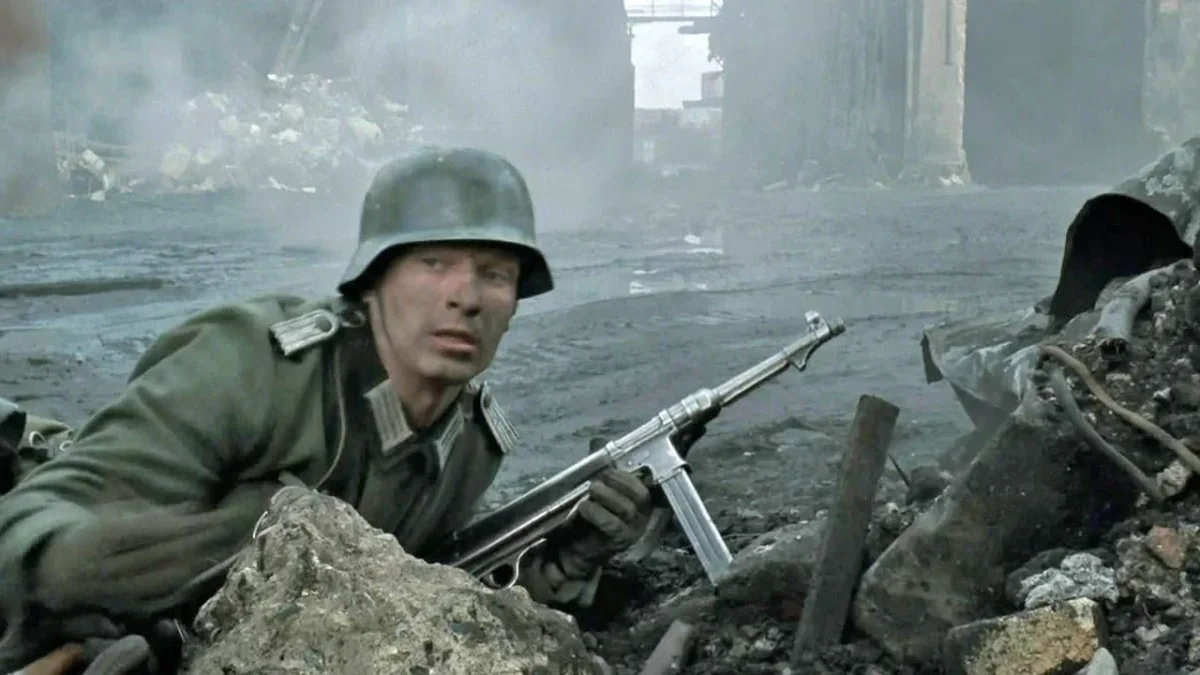
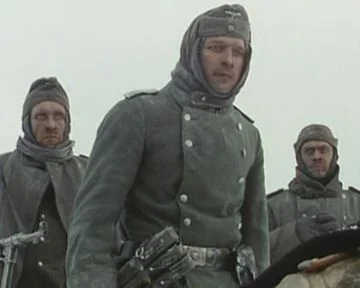
"Stalingrad" depicts the deployment of a German assault pioneer battalion to the Eastern Front in 1942, where they become embroiled in the infamous Battle of Stalingrad. Initially, the unit exhibits structure, determination, and a sense of duty; however, the brutal realities of war soon erode any semblance of order. The relentless winter, dwindling supplies, and an increasingly chaotic military situation transform the city into a vast death trap.
The film presents a harrowing account of the transition from organized deployment to utter collapse. The ruins of Stalingrad serve as a grim labyrinth, where soldiers are pushed to the brink of survival, not only by enemy fire but also by exhaustion, hunger, and cold. With each passing day, hope fades as the situation becomes increasingly dire.
Historically, "Stalingrad" reflects one of the bloodiest chapters of World War II: between August 1942 and February 1943, over a million people perished as the German 6th Army was completely encircled and annihilated. The film remains faithful to these events, highlighting the disastrous mix of strategic blunders, extreme weather conditions, and human despair.
Notable Cast and Direction
The cast features Thomas Kretschmann, who plays Lieutenant Hans von Witzland. For Kretschmann, this film marked a significant early step in his career. Today, he is recognized for his roles in major international productions, including Baron Strucker in Marvel's "Avengers: Age Of Ultron" (2015) and in Peter Jackson's "King Kong" (2005).
Directed by Joseph Vilsmaier, a prominent figure in German filmmaking until his passing in 2020, the film stands out in his oeuvre. Previously, Vilsmaier had gained recognition for works like the drama "Herbstmilch" (1988) before moving on to lighter regional comedies, such as "Der Boandlkramer und die ewige Liebe" (2020). The fact that he directed one of the most uncompromising German anti-war films of the early 1990s adds a unique layer of historical significance to "Stalingrad."
The Film’s Decline into Obscurity
Despite its impressive box office performance in 1993, "Stalingrad" has largely disappeared from public discourse over the years. One reason for this decline is the shift in cinematic priorities: since the late 1990s, international war films like "Saving Private Ryan" (1998) and later "Dunkirk" (2017) have dominated discussions, characterized by modern techniques, global marketing, and clearly defined aesthetics. Consequently, older German productions have receded into the background.
Moreover, "Stalingrad" lacks the literary impact of a Remarque novel or the iconic status of "Das Boot." The film unfolds starkly, without grand symbolism or heroic glorification — a raw, unembellished work that defies easy classification within the traditional arthouse canon or mainstream war film genre. This very quality has contributed to its gradual neglect. In stark contrast to other celebrated war films, which German audiences have rated among the best in the genre:
4.52 out of 5 stars! This is deemed the best war film of all time — according to German viewers.
Yet, it is precisely this unconventionality that makes revisiting "Stalingrad" worthwhile. The film remains a powerful example of German anti-war cinema from the 1990s — intense, piercingly clear, and notably underrepresented today.
Another cinema success from 1993, a literary adaptation featuring an impressive star cast, attracted nearly four million German viewers. The details of this film and its similar fate of fading from collective memory can be found in the following FILMSTARTS article:
This star-studded bestseller adaptation drew almost 4 million viewers in Germany — yet it has completely vanished from memory!
This is an updated re-release of an article previously published on FILMSTARTS.
_
*The link to the Amazon offer is an affiliate link. If you make a purchase through this link, we receive a commission._