
Review | Cuba and Alaska by Yegor Troyanovsky (2025)
Cuba et Alaska, directed by Yegor Troyanovsky, reveals the harrowing experiences of two Ukrainian military nurses on the front lines, blending personal stories with the brutal realities of war.
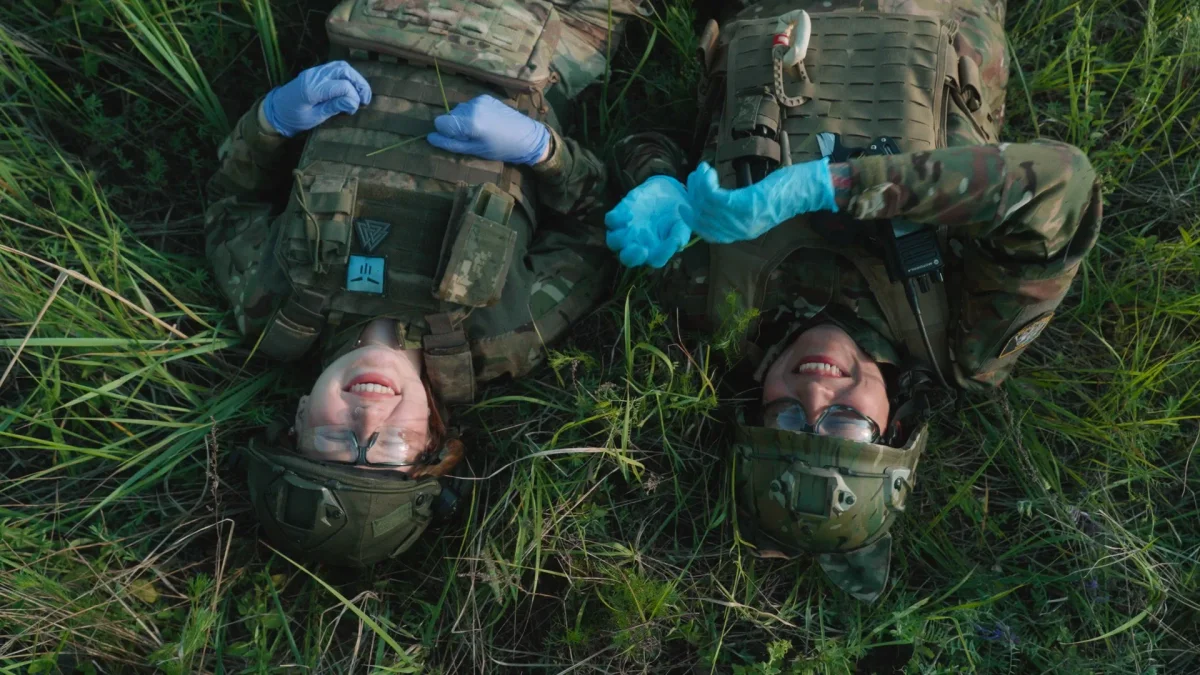
In the realm of cinema, some titles can be misleading. Cuba et Alaska is one such film, disguising its harrowing content behind a seemingly innocuous name. This documentary, directed by Yegor Troyanovsky, presents a raw and unfiltered portrayal of war, diving deep into the experiences of two Ukrainian military nurses amidst the conflict in eastern Ukraine from 2022 to 2024.
The film follows the journeys of the two nurses, Yulia Sidorova (nicknamed Cuba) and Oleksandra Lysytska (nicknamed Alaska), as they navigate the perils of the front lines. The documentary is crafted from footage captured on their GoPro cameras, personal documents, and translated text messages, all curated by Troyanovsky to tell their story.
Throughout the film, viewers witness the intense and dangerous missions the nurses undertake to evacuate the wounded, often under the looming threat of drone attacks. The narrative captures the transient nature of their existence, moving from one makeshift refuge to another, and highlights the physical and psychological scars left by the war. Alaska’s severe injury from a Russian drone explosion and her subsequent months of rehabilitation are depicted, alongside Cuba's brief reprieves from combat, including a fashion show in Paris and emotional reunions with her mother, a refugee in Spain.
The film does not shy away from the brutal realities of war. Bloodshed and a pervasive sense of mortality hang heavily over Cuba and Alaska's reflections. During a Russian bombardment, one nurse asks the other, "If we jump, what would your last words be?" Their dark humor and candid discussions about death underscore the gravity of their circumstances. The film culminates in poignant moments where they ponder their legacies and the impact they have made, ultimately leading to a shared realization of the fragility of life amidst chaos.
Cuba's journey into the military began in 2014, coinciding with the annexation of Crimea, while Alaska joined the fight in 2022. The war has indelibly altered their lives, creating a chasm between their past and present selves. Alaska, while recovering in Kyiv, struggles to connect with civilians, feeling isolated from those unacquainted with the horrors of combat. Both women eventually find ways to cope with their trauma, with Alaska becoming a press officer and Cuba taking on a medical role in a drone battalion.
Their contrasting personalities provide depth to the film; Cuba is vibrant and humorous, using laughter as a coping mechanism, while Alaska embodies a more somber disposition, often reflecting on the harsh realities of their situation. Despite their differences, the war has forged an unbreakable bond between them, one that transcends civilian understanding. Cuba articulates this sentiment, stating, "When someone has no combat experience, they remain different. You can be friends, but they won't perceive the world as you do."
Neither nurse views themselves as heroes; their commitment stems from a moral obligation rather than a fervent nationalism. Alaska asserts, "I do this for myself," emphasizing personal freedom over patriotic sentiment. The documentary encapsulates their mission succinctly with the quote: "Don’t try to save the world; at least try to save one person."
Ultimately, Cuba et Alaska serves as a crucial reminder of the ongoing conflict in Ukraine, providing a human face to a war that might otherwise fade from the public consciousness in Western Europe. Through the lens of these two determined women and their comrades, including their driver, nicknamed “The Artist,” the film showcases the resilience and spirit of those who confront death daily. The laughter and camaraderie between Cuba and Alaska resonate throughout the film, symbolizing their unyielding will to survive and resist the barbarity surrounding them.