
Review | De la Comédie-Française by Darondeau and Usclat (2026)
In their debut feature, directors Bertrand Usclat and Martin Darondeau explore the behind-the-scenes world of the Comédie-Française, showcasing its traditions and vibrant sociétaires.
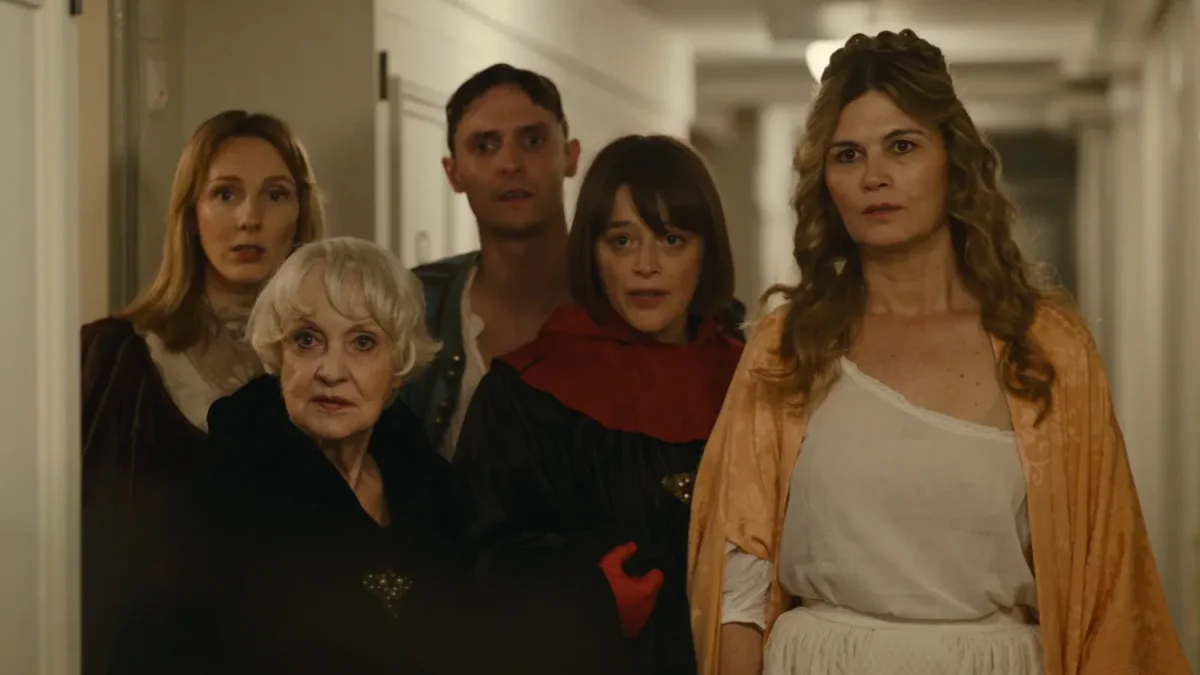
In their debut feature film, De la Comédie-Française, co-directors Bertrand Usclat and Martin Darondeau take audiences behind the scenes of the iconic institution, showcasing its traditions and the vibrant personalities of its members.
A Hilarious Opening Under Molière's Watchful Eye
The film kicks off with a lively introduction featuring Molière, humorously portrayed by Benjamin Lavernhe (En fanfare). Though neither Usclat nor Darondeau are part of the troupe, their clever approach to storytelling includes a cast of approximately twenty prominent sociétaires, enhancing the authenticity of their narrative.
At the heart of the film is Pauline Clément, the 546th sociétaire and artistic collaborator, whose character Nina embarks on the challenging journey of directing Shakespeare’s Macbeth. Through her eyes, viewers experience the myriad challenges that arise in staging a production at the Comédie-Française, all set against a thrilling countdown.
Shakespeare's Complexities
While the film's obstacles might appear to have been meticulously listed, De la Comédie-Française effectively achieves its comedic goals. The filmmakers skillfully satirize the absurd situations that arise, reflecting the disparity between reality and the characters' perceptions of it. Despite her struggles as a new mother, Nina displays remarkable adaptability and problem-solving skills, embodying a true "people pleaser" who often sacrifices her own needs to uphold the Comédie-Française's golden rule: no cancellations, or refunds must be issued.
Nina encounters a colorful array of characters, including Laurent Stocker (Philippe), who plays a jaded actor, and Danièle Lebrun, one of the oldest sociétaires, who portrays Nadine, known for her reputation as a cannabis enthusiast. Julien Frison takes on the role of Antoine, a superstitious actor who feels uneasy about his relationship with Émilie (Marina Hands), while Adeline d’Hermy plays Suzanne, an actress so overwhelmed by her commitments that she begins to lose her grip.
A Celebration of Live Performance
Nina also faces challenges from other theater professionals, each with their own strong opinions about the production. Characters like Stéphane (Guillaume Gallienne), a protocol-obsessed guardian, Jacques (Christian Hecq), an overconfident stage manager, and administrator Thibaut (Serge Bagdassarian), who is focused on negotiating funding with the Minister of Culture (Françoise Gillard), add to the comedic chaos. Female colleagues, including costume designer Fabienne (Florence Viala) and replacement makeup artist Mélanie (Sephora Pondi), are equally unfiltered in their critiques of Nina.
De la Comédie-Française subtly invites viewers to reflect on the passion that drives these actors and actresses, as well as their evolving roles within the troupe. The film is a joyful celebration of self-deprecation, allowing the directors to humorously critique themselves, the ensemble, and the institution they represent.
A Film That Resonates
The humor and self-mockery prevalent in De la Comédie-Française elicit genuine laughter from audiences, proving that even the most esteemed theater can be playfully ridiculed when represented by its finest. This delightful film, which won the Audience Award at the Festival of Alpe d’Huez, is sure to inspire viewers to seek out performances at the Comédie-Française. At the very least, it serves as a reminder that these sociétaires, whether seen on screen or television, are indeed part of the Comédie-Française.