
Swollen and Stiff Finger: Causes and Remedies
A swollen finger with flexion blockage can cause significant discomfort, requiring an understanding of its origins and suitable treatments. This swelling, often accompanied by stiffness or pain, typically results from inflammation.
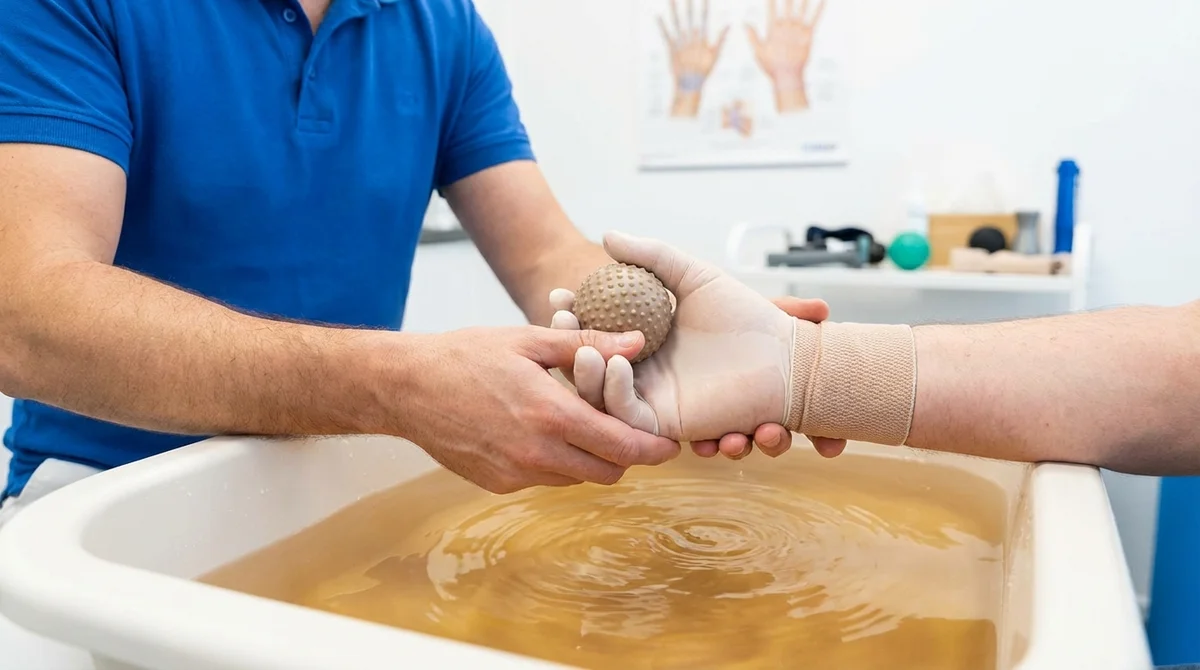
A swollen finger that is stiff and unable to bend can be quite distressing, prompting a need to explore its causes and appropriate treatments. This swelling, often accompanied by stiffness or pain, typically arises from an inflammatory process where the body directs fluids and immune cells to an injury site, irritating tendons and joints. From simple trauma to chronic conditions, the causes are varied, and accurately identifying them is crucial for effective relief. The challenge lies in quickly distinguishing between a benign episode and a condition requiring immediate attention, especially when pain intensifies or mobility is severely compromised. In such cases, hand physiotherapy, targeted medical treatments, and sometimes hand surgery play significant roles in restoring flexibility and function.
In brief:
- Flexion blockage is often linked to stenosing tenosynovitis, which can severely hinder finger mobility.
- Tendon inflammation is a common cause that leads to swelling and pain, potentially evolving into a triggering finger.
- Traumas (fractures, sprains) and infections (such as paronychia) may require urgent intervention.
- Management relies on a combination of hand physiotherapy, anti-inflammatories, and in some cases, hand surgery.
- An appropriate functional rehabilitation plan is essential for optimizing recovery after an acute episode.
Common Causes of Swollen Finger with Flexion Blockage
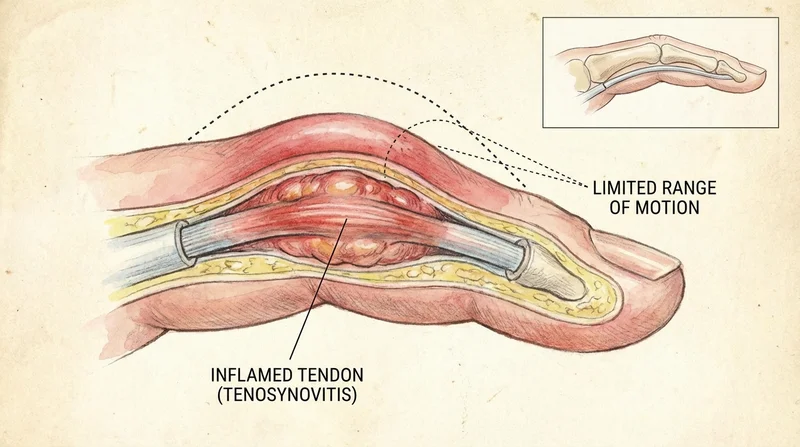
Flexion blockage in a finger manifests as difficulty, sometimes an inability, to bend the affected joint. Among the primary causes, stenosing tenosynovitis, commonly known as "trigger finger," is at the forefront. This condition involves inflammation of the tendon, leading to thickening of the tendon sheaths and restricting smooth movement of the finger, resulting in blockage. Pain in the finger is typical, especially during attempts to flex or extend.
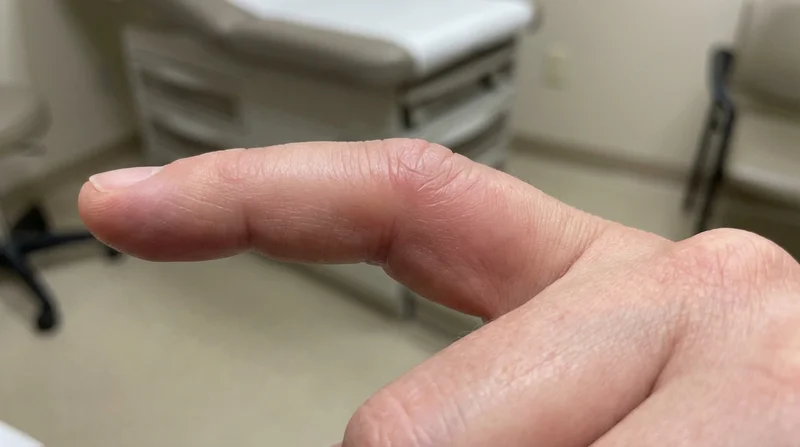
Additionally, traumas such as fractures or ligament sprains cause immediate swelling and often visible deformity, further exacerbating flexion blockage. Bacterial infections, particularly paronychia, can progress rapidly with redness, warmth, and pulsating pain, necessitating heightened medical vigilance.
| Causes | Symptoms | Characteristics | |-------------------------------|-----------------------------------------------|-------------------------------------------------| | Fracture | Sharp pain, deformity, inability to move the finger | Immediate immobilization required, urgent X-ray needed | | Ligament sprain | Gradual pain, swelling, joint instability | Treatment involves rest and splinting | | Stenosing tenosynovitis | Flexion blockage, pain during movement | Tendon inflammation, physiotherapy or surgery needed | | Infection (paronychia) | Redness, warmth, pulsating pain, possible pus | Medical emergency, antibiotics and possible surgical drainage | | Circulatory edema | General swelling, without significant pain | Water retention, improvement with hand elevation |
Understanding Stenosing Tenosynovitis: Trigger Finger
Trigger finger occurs when tendon inflammation creates a mechanical barrier to its smooth gliding. This phenomenon can lead to a snapping sound or even complete blockage during flexion. This condition is often associated with repetitive motions and may temporarily improve with rest. However, without appropriate treatment, tendon inflammation can persist and increase finger pain.
Solutions for Relieving a Swollen and Stiff Finger
When faced with a flexion blockage accompanied by a swollen finger, prompt, targeted measures can help limit pain and prevent worsening. Conservative treatment initially focuses on resting the finger, applying cold to reduce tendon inflammation, and elevating the hand to decrease swelling. It is crucial to remove any jewelry to prevent circulatory issues linked to swelling.
Hand physiotherapy, involving gentle mobilization exercises, is a cornerstone of functional rehabilitation. This approach aims to restore movement range, alleviate finger pain, and strengthen surrounding muscles. In certain cases, particularly for resistant stenosing tenosynovitis, hand surgery may be necessary to release the compressed tendon and permanently resolve the blockage.
Practical Tips for Managing a Stiff Finger
- Apply an ice pack wrapped in a cloth for 10 to 15 minutes several times a day.
- Elevate the hand above heart level to facilitate venous return.
- Avoid repetitive movements and pressure on the affected finger.
- Engage in gentle and progressive stretching guided by a physiotherapist.
- Seek prompt medical attention if pain intensifies, swelling persists, or complete blockage occurs.