
The Evolving Trend of the A-Line Bob for Fine Hair in 2026
In 2026, hairstylists are embracing a balanced approach to the A-line bob for fine hair, opting for calibrated internal layers that enhance volume and movement without sacrificing style. Discover the technical comparisons and styling tips shaping this trend.
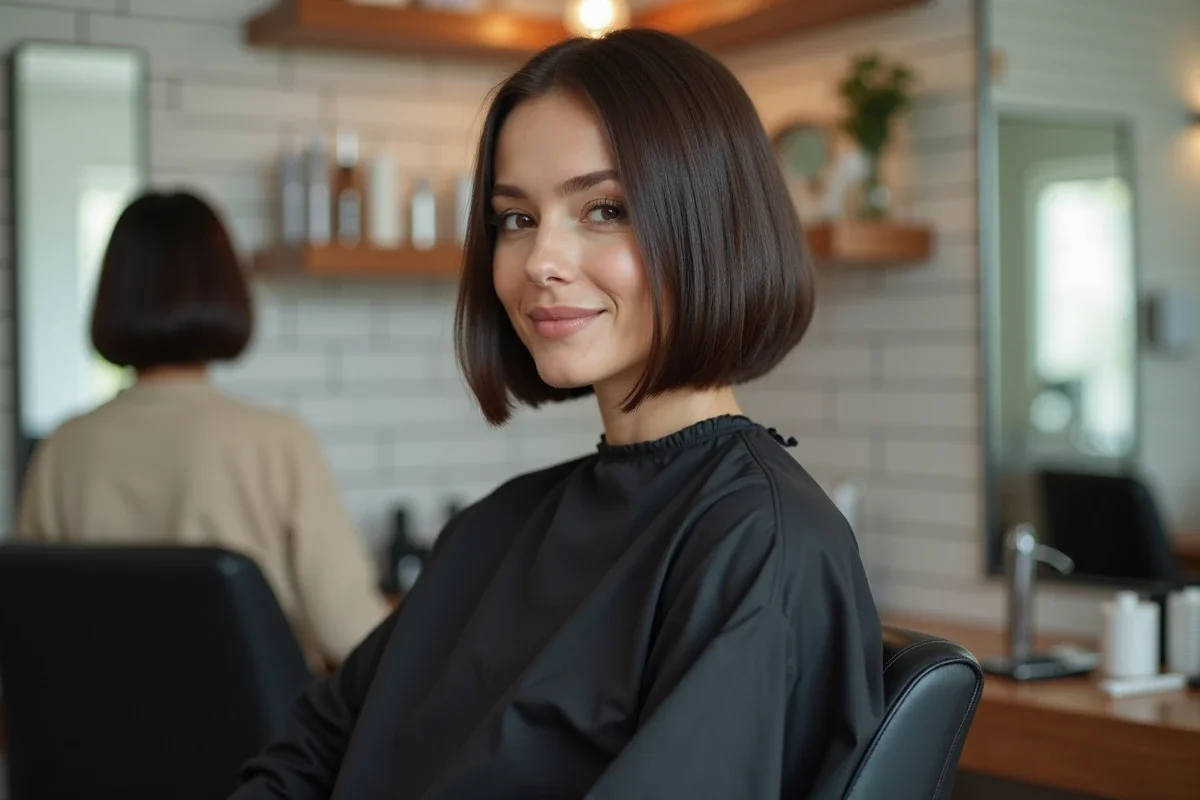
The A-line bob, particularly for fine hair, presents a technical challenge for hairstylists: should they cut sharply to maintain bulk, or create layers for movement? In 2026, the answer seldom lies in a strict choice between the two. Professionals are guiding their clients towards a specific compromise, the calibrated internal layering on a subtle A-line, which redefines how this style is approached in salons.
Structured A-Line Bob vs. Layered Bob: A Technical Comparison for Fine Hair
Evaluating both approaches based on concrete criteria helps clarify why hairstylists avoid a binary decision. The table below summarizes the differences observed in salons for fine hair.
| Criterion | A-line Bob without Layers | A-line Bob with Internal Layers | |--------------------------|---------------------------|---------------------------------| | Perceived Volume | Bulk concentrated at the bottom, minimal root volume | Volume created at the crown and nape through internal layers | | Movement | Graphic line, little natural movement | Soft movement, effortlessly tousled look | | Maintenance | Frequent touch-ups required to maintain a clean line | More discreet regrowth, spaced out touch-ups | | Risk for Fine Hair | "Flat block" effect if the hair lacks density | Risk of thinning the cutting line if the layers are too pronounced | | Daily Styling | Blow-drying or straightening often necessary | Air-drying or diffuser is sufficient |
The A-line bob without layers retains all the material, which seems logical for fine hair. However, this unworked mass often falls flat once the roots begin to sag, sometimes within just a few hours.
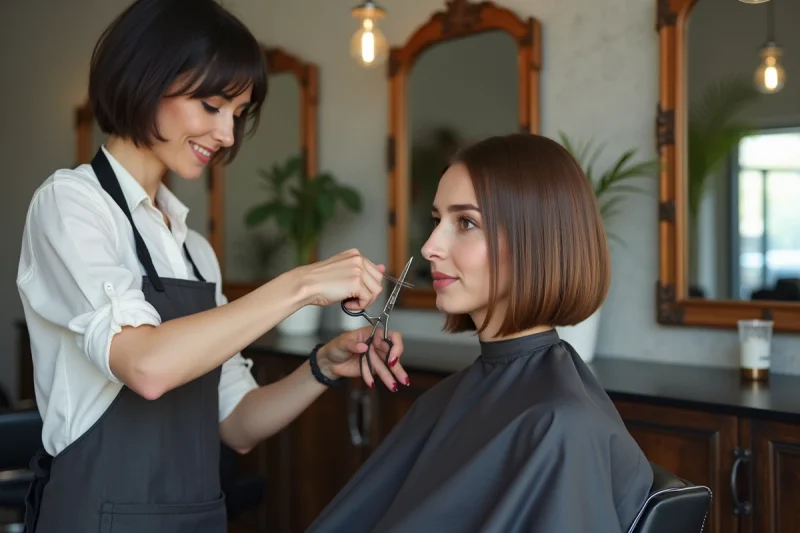
Internal Layering with a Free Nape: The Preferred Technique for Stylists in 2026
The prevailing trend this year does not involve stacking visible layers on the outside of the cut. Stylists interviewed in 2026 describe a more targeted technique: the internal layering where the underneath strands are shorter than those on top. The nape remains clean, while the front descends about 3 to 4 cm lower than the back.
This principle creates a rounded silhouette without removing material from the visible cutting line. Volume arises from the internal architecture rather than surface thinning that can make the ends look sparse. For fine hair, this distinction significantly alters the final result.
Why Overly Graphic Bobs Are Losing Popularity
A sharply defined A-line bob, characterized by a pronounced difference between the front and back, requires a hair density that fine hair may not always provide. While the salon result can be impeccable, the styling the next day tells a different story: the front strands flatten, and the back loses its curve.
Stylist Lorraine Dublin explains that layering at the crown and nape "creates a rounded silhouette and gives the hair a natural lift and structure." This lift eliminates the need for daily blow-drying, a compelling argument during salon consultations.
Movement vs. Flatness: The Hair Shift of 2026
The hairstyling trends of 2026 confirm a clear shift. Movement has taken precedence over flatness, even in structured cuts like the A-line bob. Layered and textured bobs are gaining traction because they fulfill a simple expectation: less time spent styling and more natural hold.
For fine hair, this shift directly impacts the choice of cut:
- A smooth A-line bob requires straightening or blow-drying to maintain its shape, which can weaken fine strands over time.
- An A-line bob with internal layers allows for air-drying or diffuser use, preserving the hair's texture.
- Versions like the "stacked bob" create the illusion of denser hair without heavy styling products.
This move towards a more natural look explains why the majority of stylists recommend targeted layering over a strictly smooth A-line for fine hair in 2026.

Choosing Between a Clean A-Line and a Layered Bob in the Salon
The decision between a clean A-line bob and a layered version is not solely based on trends. Several technical parameters come into play during the salon consultation.
Hair Texture and Density
A fine but dense hair (many strands per square centimeter) can support a clean A-line better than fine, sparse hair. In the latter case, internal layering compensates for the lack of volume by creating support points at the nape and crown.
Face Shape and Nape Length
The free nape layered bob highlights an exposed neck and visually elongates round faces. Conversely, a longer front A-line suits elongated faces seeking a framing effect. Stylists adjust the front-to-back gap based on these proportions.
Lifestyle and Salon Frequency
A strict A-line bob loses its geometry within weeks of regrowth. Internal layering is more forgiving of regrowth, which spaces out salon visits. For clients who come in every two months rather than every six weeks, this maintenance difference influences the stylist's recommendation.
Layered A-Line Bob and Daily Styling for Fine Hair: What Works
The 2026 version of the stacked bob can be styled without professional tools. This aspect is significant for stylists: a cut that holds without daily blow-drying fosters client loyalty more than a spectacular but unmanageable style.
Natural air-drying or diffusing with the head upside down is sufficient to activate the volume of the internal layers. A lightweight texturizing spray at the roots prolongs hold without weighing down fine strands. Stylists advise against heavy waxes and serums that can flatten fine hair and negate the volume created by the cut.
The A-line bob for fine hair in 2026 no longer strictly opposes layered versus unlayered styles. The professional consensus leans towards a moderate A-line enriched with discreet internal layering, tailored to the actual density of each hair type. The most sought-after cut is neither the most graphic nor the most thinned out, but one that lasts from morning to night without intervention.