
The Allure and Controversy of Beauty Advent Calendars
As the holiday season approaches, beauty advent calendars are becoming popular gifts. This article explores the appeal and drawbacks of these festive products, including pricing and consumer habits.
As the holiday season approaches, many are gearing up for the joy of gift-giving. This year, I've resolved to tackle my Christmas shopping early, avoiding the last-minute rush that often leads to stress and disappointment. In fact, I recently purchased my first Christmas gift: a beauty advent calendar from L'Occitane, not for myself, but for my beloved sister who was thrilled when I sent her a photo of the gift bag.
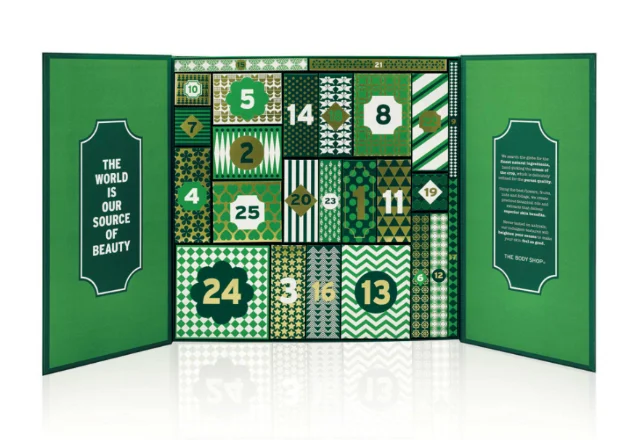
This marks the second consecutive year I've gifted her this calendar. Last year, she was overjoyed, sharing her daily discoveries of luxurious hand creams and mini shampoos through enthusiastic messages. Seeing her delight motivated me to repeat the experience, although I did contemplate switching to a stunning advent calendar from The Body Shop, her second favorite brand. However, the price of their deluxe version, which is quite extravagant at 99 euros, made me reconsider. L'Occitane's calendar is a more manageable 45 euros, which I deemed a reasonable limit for such a gift.
While my personal gift-giving habits may not be of utmost interest to everyone, they led me to reflect on the booming market for beauty advent calendars. Brands are increasingly releasing their own versions each year, with notable names like Decléor, Clinique, and Lush joining the fray. This trend suggests that these calendars are a lucrative business venture, providing an additional revenue stream for companies during the holiday season. It's clever marketing, as many of us are seeking gifts for loved ones, and these calendars fit the bill perfectly.
I pondered who the typical buyers of these advent calendars might be. Are they primarily purchased for oneself or as gifts for others? Given the audience of beauty enthusiasts that likely reads this blog, many might treat themselves to such a luxury. Personally, I can't envision buying a beauty advent calendar for myself, unless it were a nostalgic Kinder chocolate version.
Moreover, it seems these calendars cater to die-hard fans of specific brands. If someone is truly passionate about a brand, they likely already own many of its products, which raises the question of whether receiving 24 additional items is genuinely appealing. Personally, I would prefer a multi-brand advent calendar, which offers a variety of products for exploration.
However, I have reservations about the sample sizes typically included in these calendars. Many of the items are close to sample sizes, often marketed as travel sizes. If presented with the contents of the L'Occitane calendar, I would struggle to justify the 45 euro price tag. Yes, the packaging and presentation are factors, but the actual value of the items can be questionable, especially when other brands charge significantly more for their calendars.
Some brands emphasize the retail value of the products included to justify their pricing. For instance, Kiehl's claims their calendar, priced at 68 euros, contains 180 euros worth of products. While that sounds enticing, I would rather spend 68 euros on items that genuinely interest me rather than gamble on a selection where half might not suit my preferences.
This situation reminds me of beauty subscription boxes, which often sell samples that are usually given away for free, packaged attractively to entice consumers. The target demographic for both beauty calendars and subscription boxes appears to overlap significantly, appealing to young women aged 15 to 35 who are keen on beauty products. Despite this, I suspect sales of beauty advent calendars remain relatively niche, with the buzz surrounding them carefully curated to create a perception of necessity.
Ultimately, I invite you to share your experiences with beauty advent calendars. Have you ever indulged in one, or are you considering it this year? Is it a gift for yourself or someone else? Do you have a spending limit for such items, or would you splurge on a calendar from a beloved brand? And, for those who adore beauty advent calendars, have you also subscribed to beauty boxes? Lastly, a pressing question: why does Kinder include so many standard bars and eggs while neglecting the Kinder Country and Shokobons in their advent calendars?