
The Allure of Nila Blue Soap: A Natural Solution for Dull Skin, Blemishes, and Dark Spots
Nila blue soap has become popular for its natural exfoliating properties that help restore radiance without harsh chemicals. Discover how this traditional Moroccan soap works and how to identify authentic products.

In recent months, Nila blue soap has gained popularity on social media platforms, often showcased with striking before-and-after transformations. This traditional Moroccan soap, with roots in age-old skincare rituals, has resurfaced amid a growing demand for natural products devoid of synthetic ingredients.
Nila Blue Soap: Unifying the Complexion Without Bleaching
One common misconception surrounding Nila blue soap is its purported ability to drastically lighten skin tone. Many TikTok and Facebook posts promise a "radical transformation" or the "elimination of dark spots," but they often fail to clarify the soap's actual mechanism of action. This distinction is crucial, particularly for those with melanin-rich skin.
Nila works through gentle exfoliation and tone regulation, rather than by lightening the skin. Authentic formulations containing Nila effectively remove dead skin cells from the surface, resulting in a brighter and more even complexion without acting as a skin whitener.
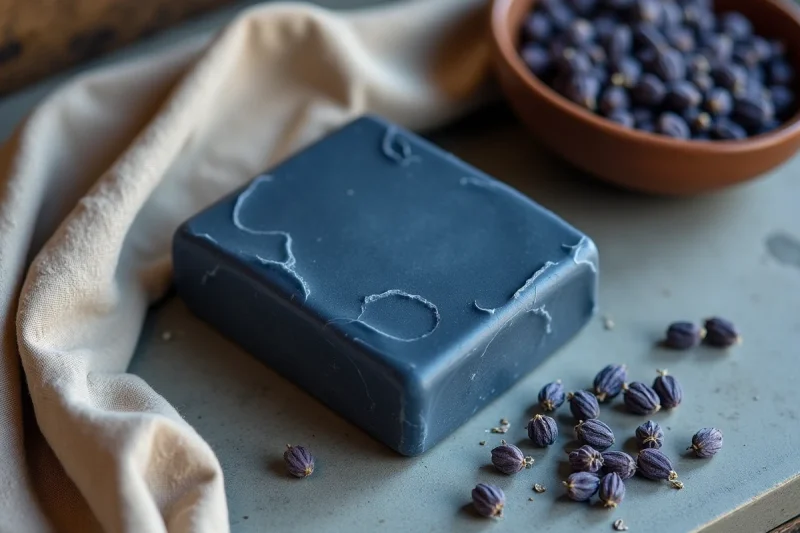
Positive feedback tends to come from individuals seeking to restore lost radiance—such as those dealing with dullness or post-inflammatory hyperpigmentation—rather than from those aiming to lighten their natural skin tone. This subtlety is essential when selecting a product.
Identifying Authentic Nila Blue Soap Among Imitations
The market is rife with counterfeit Nila soaps. Genuine Nila powder is derived from the Isatis tinctoria plant, cultivated in Morocco. Its natural blue pigment is relatively unstable, resulting in a deep blue, sometimes grayish hue, as opposed to a bright artificial blue.
Criteria for Spotting a Reliable Formula
- Color: Look for a matte dark blue; any vibrant or turquoise shades often indicate synthetic coloring agents that lack exfoliating benefits.
- Texture: Authentic artisanal Nila soap tends to be dense and slightly grainy, potentially leaving a faint blue residue when wet. In contrast, smooth, uniform soaps reminiscent of industrial products should raise suspicion.
- Labeling: The ingredient list should prominently feature Nila powder (or natural indigo). If it appears near the end, its concentration is likely minimal.
- Scent: Genuine Nila has a subtle earthy, plant-like aroma. A strong, sweet fragrance may mask harsh detergent bases.
Kristal Beauté notes that high-quality Nila soaps are typically produced using cold or semi-artisanal methods, which help retain the properties of the powder. While experiences may vary among brands, artisanal production remains a hallmark of quality.
Addressing Dull Skin and Blemishes: How Nila Soap Works
The mechanism behind Nila soap's effectiveness is straightforward. The Nila powder possesses mild exfoliating properties that help dislodge accumulated dead skin cells, which contribute to a dull, grayish appearance and clogged pores.
When it comes to blemishes, the action is more indirect. By cleansing the oxidized sebum and keratin that block pores, Nila soap creates an environment less conducive to imperfections. It is not a dermatological acne treatment but rather a hygienic step that mitigates aggravating factors.
Practical Application on Face and Body
To use Nila soap, wet the face or the targeted area, lather the soap between the hands, and apply it in gentle circular motions. There’s no need to apply excessive pressure; the Nila powder begins to work within seconds of contact. A brief application time of two to three minutes is sufficient before rinsing.
For the body, Nila soap can be used like a traditional scrub in the shower. Users often notice remarkable differences in texture on areas like the knees, elbows, and spots of hyperpigmentation, as the results can be felt immediately upon touch.
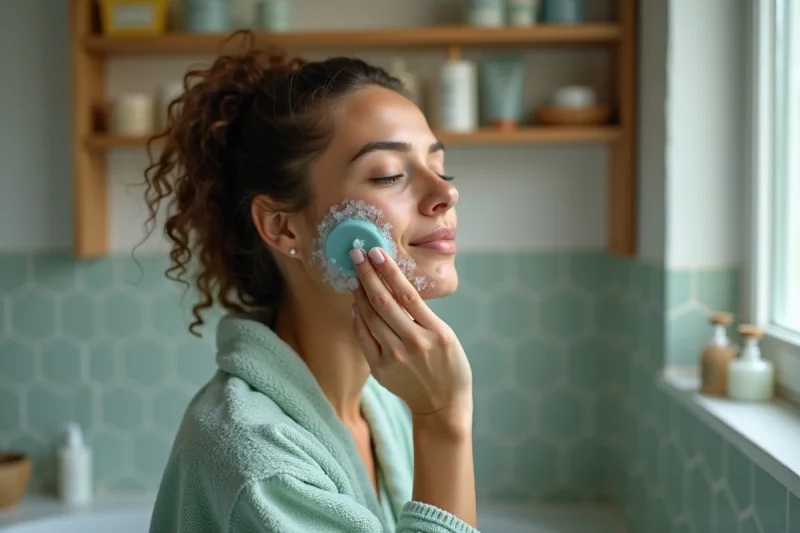
The recommended frequency of use is two to three times per week. Exceeding this may irritate the skin barrier, especially on the face. Individuals with sensitive or reactive skin should first test the product on a small area of the arm.
Nila Blue Soap and Skincare Routine: What Works in Combination
Nila soap is not a standalone miracle product. Its long-term effectiveness relies on what follows its application.
- After cleansing with Nila, applying a vegetable oil (such as argan or black seed) or a hydrating serum helps restore the lipid barrier. Exfoliation without subsequent hydration can lead to an overproduction of sebum.
- Daily sunscreen protection is crucial for those aiming to diminish dark spots. Without SPF, spots can reappear more quickly than Nila can fade them.
- Nila pairs well with ghassoul (Moroccan clay) in a weekly mask to enhance purifying effects, especially for combination to oily skin types.
However, combining Nila soap with strong acids (like concentrated glycolic acid or retinol) on the same day may lead to over-exfoliation. It is advisable to space these applications by at least 48 hours.
In summary, Nila blue soap appeals to those looking to restore their skin's radiance without resorting to harsh chemical formulations. Its limitations include not serving as a replacement for a dermatological diagnosis for severe acne or a structured depigmentation protocol for melasma. When used appropriately, with the right techniques, it remains a remarkably simple exfoliating ally.