
The Danish Cake Method: Why It Would Make Children Happier
Scandinavian children regularly top global well-being rankings, far from the performance race that sometimes saturates our parenting rhythms. In Denmark, parenting is built around a radically different vision of childhood, prioritizing trust, autonomy, and simple joys. By dissecting their habits, we uncover valuable insights to lighten our mental load and provide lasting emotional security for the whole family.
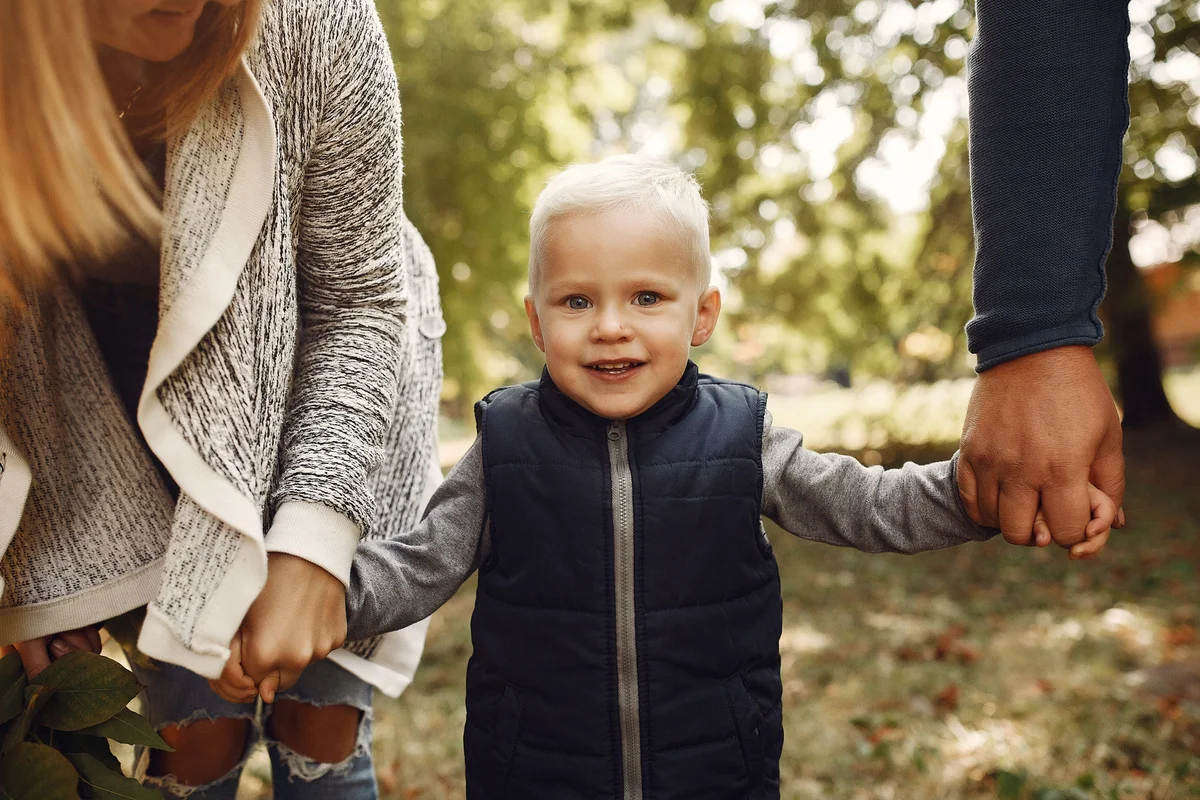
Scandinavian children regularly top global well-being rankings, far from the performance race that sometimes saturates our parenting rhythms. In Denmark, parenting is built around a radically different vision of childhood, prioritizing trust, autonomy, and simple joys. By dissecting their habits, we uncover valuable insights to lighten our mental load and provide lasting emotional security for the whole family.
Free Play and Autonomy Come Before Good Grades
In the Nordic model, childhood is not a sprint or an intensive preparation for adult life. Danish parents rely on a vivid philosophy, often referred to as the cake method, which brings together the essential ingredients for children's balance. Among these essential pillars, unstructured play holds a royal place. Far from overloaded activity schedules and performance goals, children have long stretches of time to invent, experiment, and manage their own scenarios. It is through boredom and creating their own rules that they learn to tame stress, stimulate their creativity, and resolve conflicts.
This philosophy directly extends to the school benches. In Scandinavia, pure academic learning is reserved for the mornings, making way for free play from the beginning of the afternoon. Numerical evaluations and stressful rankings do not exist during the early years of schooling. Mistakes are not seen as faults or devastating failures but as entirely logical steps in development. Above all, the child's independence, their ability to try, and to trust themselves are valued more than immediate performance.
Nature and Fresh Air Boost Confidence
As Léa Johansen, founder of ManiPani and a specialist in this culture, points out, the child is welcomed as they are, respecting their biological rhythm and developing brain. This absolute trust translates into impressive freedom of exploration outdoors. Whether it rains, blows, or snows, little ones spend a large part of their days outside. Danish schools are not afraid to open their spaces to the outdoors, often doing away with strict barriers to trust the group and the self-regulation of children.
This visceral connection with nature begins from the cradle. It is quite common to see strollers lined up outside cafes for naptime, with infants sleeping outdoors well bundled up, a habit known to strengthen their defenses and soothe their sleep. Later, children manipulate wood, prepare campfires, and come home covered in mud. For Scandinavian parents, dirty clothes are simply proof of a day rich in discoveries, a true indicator of flourishing rather than a reason for reprimand.
Hygge and Shared Solidarity Protect the Family Cocoon
The other great ingredient of Scandinavian happiness lies in a now-famous word: hygge. This art of living celebrates intimacy, the warmth of home, and the simple pleasures shared with family. To integrate it into daily life, there is no need for a complete revolution. It is enough to allow ourselves moments of total disconnection, away from screens, around a homemade recipe, a DIY workshop, or a family relaxation session. Hygge creates a reassuring emotional safety bubble where the relationship between parents and children becomes more horizontal, based on dialogue and cooperation.
Finally, this kindness extends far beyond the walls of the home to encompass the entire community. Raising a child is seen as a collective and supportive societal project, backed by long, flexible parental leave and a massive investment from fathers from the early months. This culture of inclusion manifests from kindergarten through kind and collective rules, such as the obligation to invite the entire class to birthdays to sweep away early exclusions. By learning to live together despite differences, children develop a strong empathy that will carry them throughout their lives.
Establishing a Softer Daily Rhythm
Adopting the Scandinavian philosophy does not require moving to Copenhagen overnight. It starts with small mental adjustments, accepting to slow down the pace and letting go of perfection. By allowing more room for free play, permitting long walks in the forest without watching the clock, and prioritizing cozy family evenings, we offer ourselves a true breath of fresh air. It is by trusting our children's natural abilities that we too will manage to build a more serene and deeply joyful family daily life.