
The Fictional Roots of À l’ancienne – Come una volta
À l’ancienne – Come una volta is a comedic film that explores the absurdity of two friends assuming the identity of a deceased lottery winner. Discover its fictional roots and narrative depth.
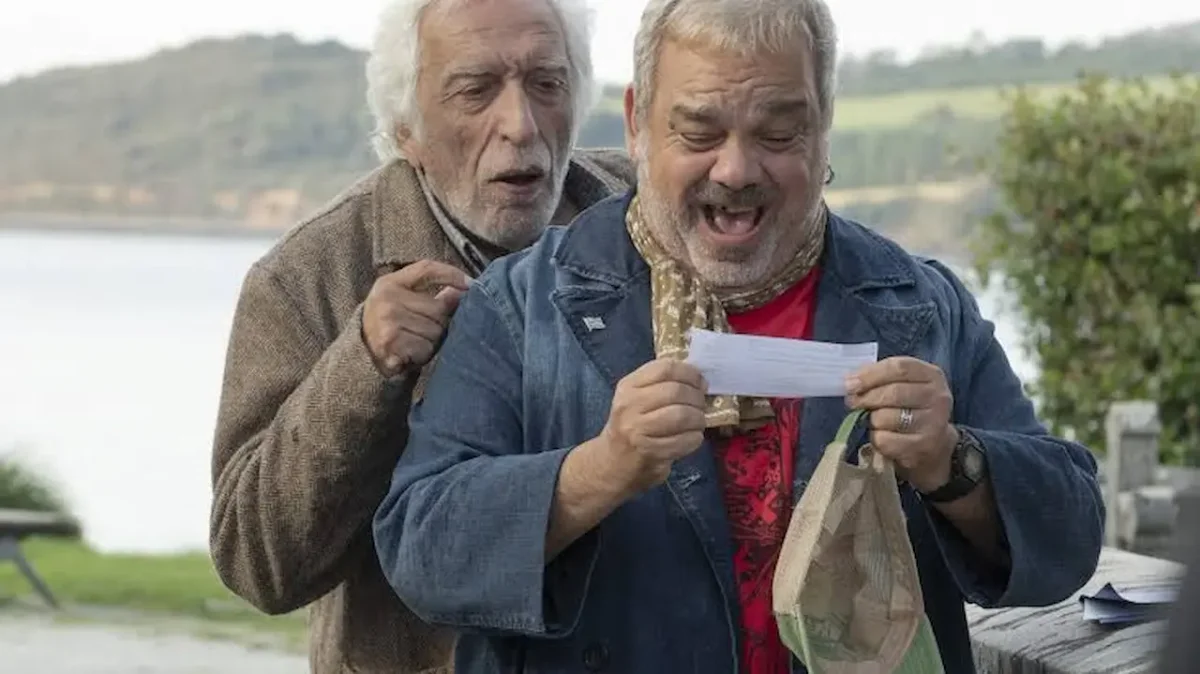
À l’ancienne – Come una volta is a comedic film that cleverly weaves its narrative around a premise that is both absurd and captivating: two friends discover that the winner of their village lottery has died before claiming the prize, prompting them to assume his identity and involve the entire community in an unlikely scam. Directed by Hervé Mimran and featuring Didier Bourdon, Gérard Darmon, and Chantal Lauby, the film balances humor, melancholy, and reflections on solidarity, yet it leaves many viewers pondering a crucial question: is this story based on real events?
The answer is no, at least from a strictly historical perspective. À l’ancienne – Come una volta does not reconstruct actual events nor does it draw inspiration from real individuals. However, there is a unique narrative behind its cinematic origin, showcasing how a fictional idea was transformed into a story that feels surprisingly plausible. Understanding this genesis enhances the appreciation of the film's meaning and why it evokes a sense of authenticity.
A Fictional Narrative Inspired by a Beloved Irish Comedy
Those seeking a true story may be taken aback. À l’ancienne – Come una volta is entirely a work of fiction and does not recount a documented episode from French or Breton history. The film's roots can be traced back to Svegliati Ned (Waking Ned Devine), a successful Irish comedy from 1998, written and directed by Kirk Jones. The original film follows a similar narrative thread: in a small Irish village, a man dies just after learning he has won the lottery, and the villagers concoct an elaborate scheme to claim the prize in his stead.
For years, many viewers believed that Svegliati Ned was inspired by a true story as well. In reality, that film also sprang from an original comedic concept, crafted around a deliberately surreal idea that resonates with the atmosphere of rural communities and folk tales.
Mimran's version retains this narrative structure but shifts the setting from the Irish countryside to the coasts of Brittany. While the landscapes, traditions, and characters change, the underlying theme of community value and the extraordinary capacity of ordinary people to unite in the face of a rare opportunity remains unchanged.

A Narrative Idea that Feels Incredibly Plausible
Although entirely fictional, the story resonates because it begins with a scenario that could almost seem plausible. The sudden death of a lottery winner embodies one of those paradoxes that have long occupied popular imagination and contemporary legends.
According to the original film's creators, the idea was partly inspired by the allure of quirky news snippets and curious incidents reported in newspapers, which were transformed into a fantastical tale. There isn’t a specific case that inspired the plot, but rather a narrative suggestion developed to its most extreme consequences.
In the French remake, this intuition is further adapted to the context of Brittany. The imagined island becomes a peripheral community grappling with geographical isolation, gradual depopulation, and a sense of being forgotten by the rest of the country.
This backdrop makes the protagonists' behavior understandable. Jean-Jean and Henri are portrayed not as seasoned criminals but as ordinary men who see the lottery win as a chance to improve their lives and those of their neighbors. While their choice is morally questionable, the film creates a human context that makes their motivations easy to grasp.
From Original Film to French Adaptation: Key Changes in the Story
The transition from Svegliati Ned to À l’ancienne – Come una volta is more than a simple cultural translation. Hervé Mimran reworks the story by incorporating elements deeply tied to French territory and, notably, Breton culture.
Filming took place in Finistère, covering locations such as Pointe du Raz, the Crozon Peninsula, and Landévennec. Although the depicted village is fictional, the real landscapes lend authenticity to the entire narrative.
The tone also shifts slightly compared to the 1998 film. While the original emphasized typical Irish humor, the French remake draws inspiration from the Italian comedy tradition of the 1960s and 1970s, where imperfect characters find themselves in morally ambiguous situations without losing audience sympathy.
Moreover, the character of Nadège, played by Chantal Lauby, takes on a much more central role in orchestrating the scam, allowing the film to broaden its portrayal of community dynamics, showcasing how the project ultimately involves nearly all the island's inhabitants.
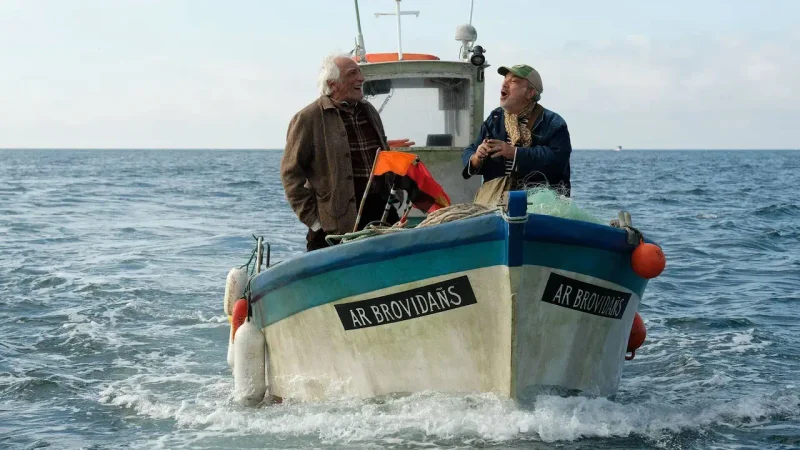
Why À l’ancienne – Come una volta Feels Like a True Story
The fact that À l’ancienne – Come una volta is not based on real events does not diminish the effectiveness of its storytelling. On the contrary, much of its charm stems from its ability to create believable characters within a realistic context.
The setting, dialogues, and aspirations of the protagonists avoid excessive farce. Jean-Jean simply dreams of a more peaceful future for his family, while Henri wishes to open a small pizzeria and finally embark on that long-delayed trip. The money symbolizes a chance to change their ordinary lives, not a means to pursue vast wealth.
Thus, the scam serves as a narrative device to reflect on solidarity, friendship, and the moral compromises that can emerge when a community feels abandoned. This perspective is rooted in the finest traditions of European comedy, where laughter often coexists with a subtle melancholy.
In conclusion, À l’ancienne – Come una volta does not recount actual events. It is a fictional tale derived from the classic Svegliati Ned, utilizing an intentionally improbable situation to explore themes of desire, human connections, and a sense of belonging. It is this focus on character and collective dimension that swiftly makes one forget the implausibility of the narrative premise, leaving audiences with the impression that, in a small, remote village, something like this could indeed happen.
You may also like


![Ici tout commence: What to Expect in Episode 1488 on Monday, July 27, 2026 [SPOILERS]](https://glowculturehub.com/cdn/images/b2d3d6d788c39a22a548df320e6d9f77/w1200.webp)