The Mid-Length Bob: Perfecting Curls and Waves
Discover how to achieve the perfect mid-length bob for natural curls and waves by understanding the impact of hair texture on styling and cutting techniques.
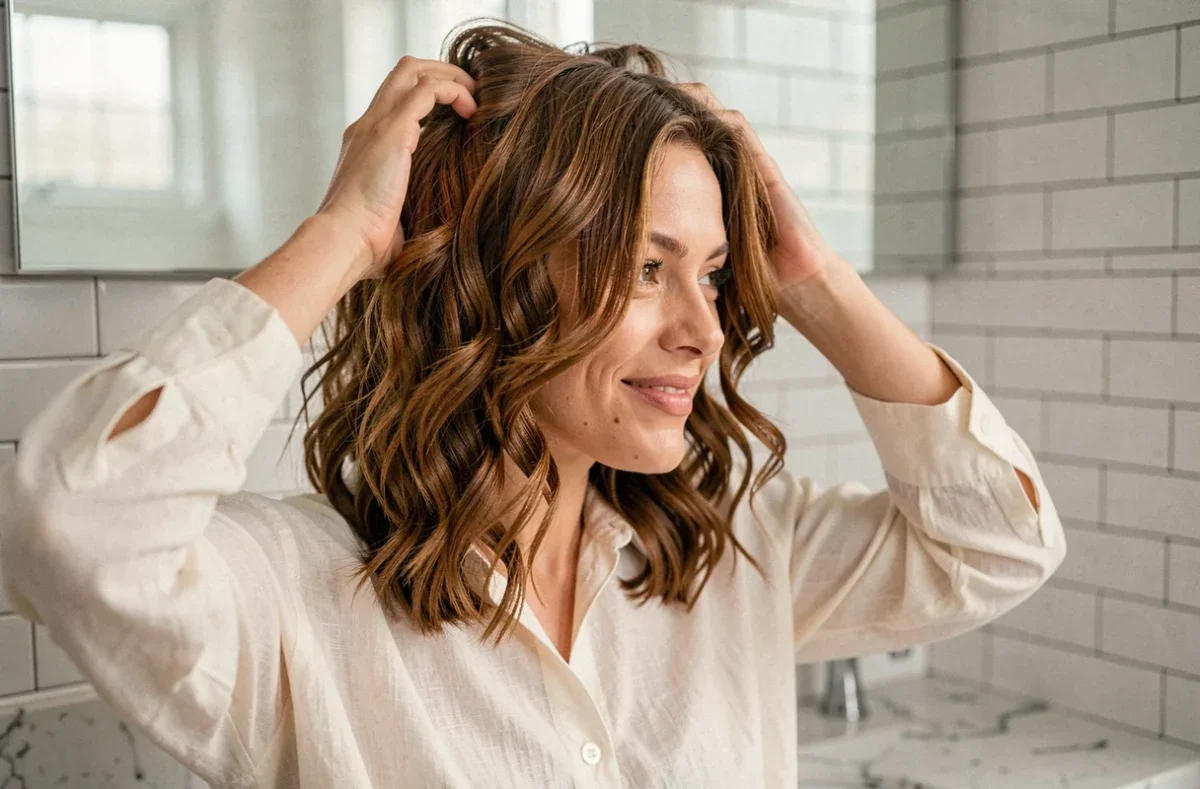
When you bring a photo of a mid-length bob to your hairstylist, you might leave with a cut that ends up above your ears. The way curls and waves retract can dramatically alter the outcome: a style designed for straight hair does not yield the same results on curly locks. Understanding this phenomenon and knowing how to adjust the cut can prevent months of frustrating regrowth.
The Retracting Curls: The Pitfall of Mid-Length Bobs
The issue arises during the cutting process. Most inspirations found on Pinterest or Instagram feature mid-length bobs styled on straight or slightly wavy hair. When this length is attempted on curls of type 2C or 3A, the natural spring of the hair causes the cut to rise several centimeters.
See also: The Unexpected Benefits of a Layered Mid-Length Bob
This is why hairstylists who specialize in curls now prefer to cut on dry or minimally stretched hair. Cutting on wet hair artificially elongates the strands, leading to a result that can be drastically different once the hair dries.
For those with soft waves (types 2B-2C), the loss of length is moderate. However, for tighter curls (3B-3C), the difference can be quite noticeable. To achieve a bob that falls at the collarbone when dry, it is often necessary to cut significantly lower when the hair is stretched.

Choosing the Right Shape for Curly Mid-Length Bobs
A straight bob with a clean line works well for fine, straight hair. Conversely, this same style can create a blocky appearance on dense, curly hair, often referred to as a "helmet effect," which is less than flattering. The hair's density necessitates an adjustment in shape.
Soft Curls and Waves (2B to 3A)
A rounded or slightly graduated bob is ideal. A longer front section adds movement without weighing down the sides. A light layering is sufficient to break the straight line.
Tighter Curls and Significant Volume (3B to 3C)
A more pronounced layering is essential to allow the volume to flourish without excess bulk accumulating on the sides. Internal thinning is preferred over surface thinning, which can lead to frizz in the lengths.
Opinions vary on this matter: some hairstylists avoid thinning tight curls altogether, while others tailor their approach based on hair porosity. What is widely agreed upon is that a strict bob without any layering on very curly hair rarely achieves the desired effect.
Bangs and Wavy Bobs: What Works and What to Avoid
Bangs frequently emerge in searches related to mid-length bobs. The type of bangs chosen can dramatically change the overall look on wavy hair.
- Curtain bangs or long bangs frame the face without disrupting the natural flow of the waves. They blend seamlessly with the bob and are easy to style daily.
- A straight-across bang poses significant risks for curly hair: it tends to lift, distort, and often requires daily straightening to maintain its shape.
- An asymmetrical bang, swept to one side, offers a compromise for those wishing to frame their face without the commitment of a blunt bang.
In summary, the curlier the hair, the longer and more blended the bangs should be to remain manageable.

Maintaining a Mid-Length Bob on Natural Curls
Having the right cut is not enough if styling and care routines do not follow suit. Two recurring issues with curly bobs are the loss of curl definition and uncontrolled volume.
Preserving Definition Without Weighing Down
Curly and wavy hair requires hydration, but using too much product on mid-length hair can flatten the roots and diminish volume at the crown. It is important to apply treatments to the lengths and ends while avoiding the scalp.
Scrunching the curls while applying styling products (gel, cream, mousse) helps to reform the natural bounce. Applying products on very wet hair generally yields better definition than doing so at mid-dryness.
Keeping the Shape Between Appointments
A mid-length bob on curly hair loses its shape more quickly than a straight bob due to the way regrowth alters volume distribution. Visiting the hairstylist every eight to ten weeks helps maintain the structure, especially around the nape and sides.
Highlights and Coloring for Wavy Mid-Length Bobs
Balayage remains the most requested coloring technique for this type of cut. On curly hair, it offers a distinct advantage: hand-painted highlights follow the hair's natural movement, creating depth that uniform techniques cannot achieve.
A few considerations:
- Balayage on wavy hair requires fewer highlights than one might think, as each curl captures light differently. Too many lightened strands can result in a flat appearance once the curls are styled.
- Bleaching can weaken the hair fiber, potentially altering the curl texture. For porous hair, it is advisable to stick to moderate tone variations.
- A natural wavy effect with well-placed highlights often suffices to enhance a mid-length bob without compromising hair health.
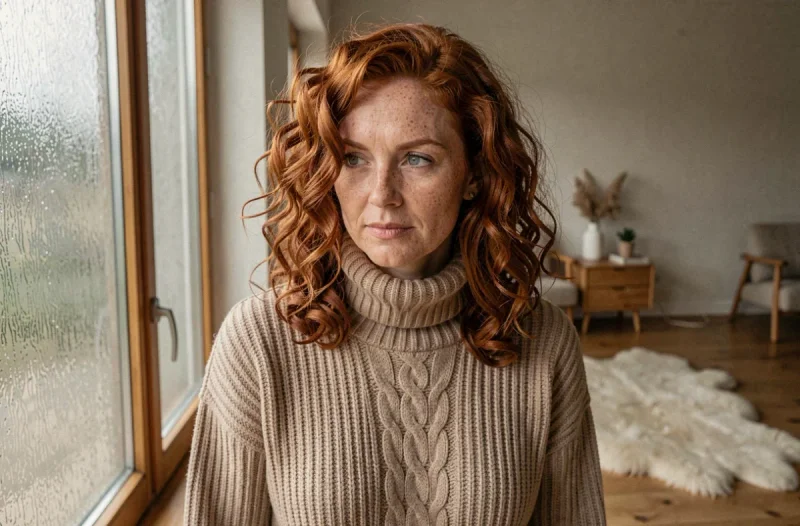
A mid-length bob for natural curls and waves can be stunning when tailored to the hair type you actually have, rather than the one in an inspiration photo. Cutting on dry hair, shaping according to density, and opting for longer bangs instead of blunt ones are pivotal factors that distinguish between a flattering bob and one that leads to months of correction.