The Western John Wayne Regretted Not Making
John Wayne had the chance to star in a critically acclaimed western but ultimately had to decline, leading to long-lasting regret.
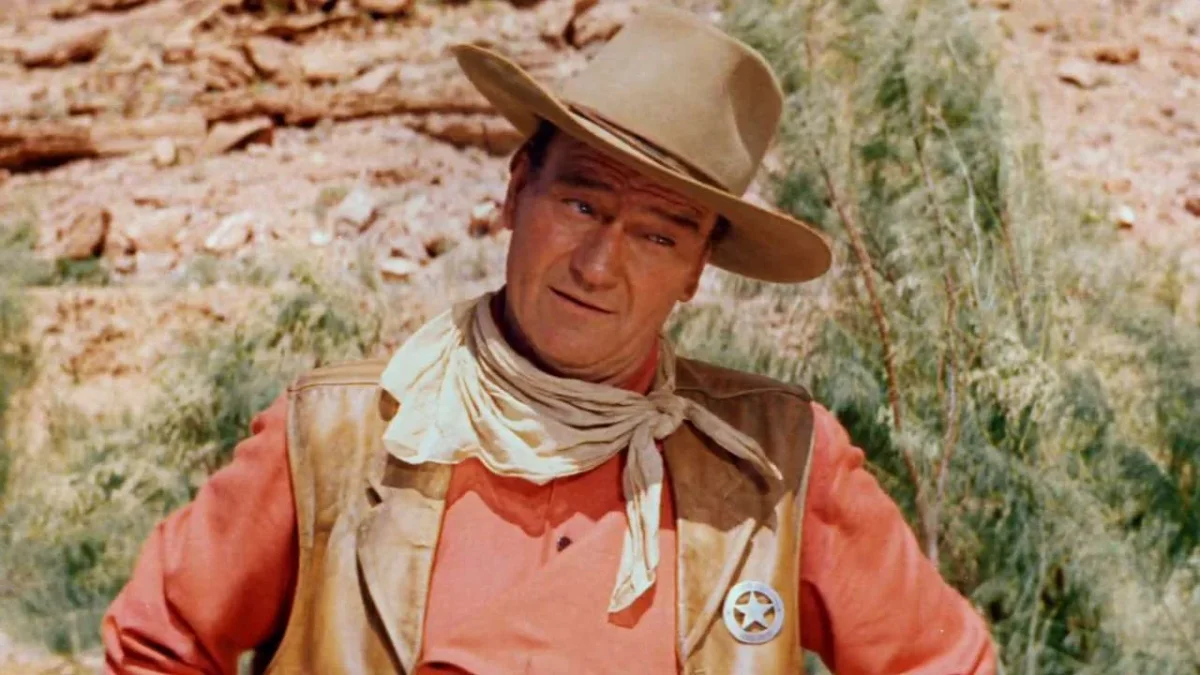
John Wayne, a legendary figure in Western cinema, once faced a significant regret during his illustrious career: declining the lead role in a critically acclaimed film, Seven Men from Now.
In 1955, Wayne was unable to take on this remarkable project, which was penned by the then-emerging screenwriter Burt Kennedy. At that time, Wayne, affectionately known as "Duke," was heavily occupied with other commitments.
What Was He Busy With?
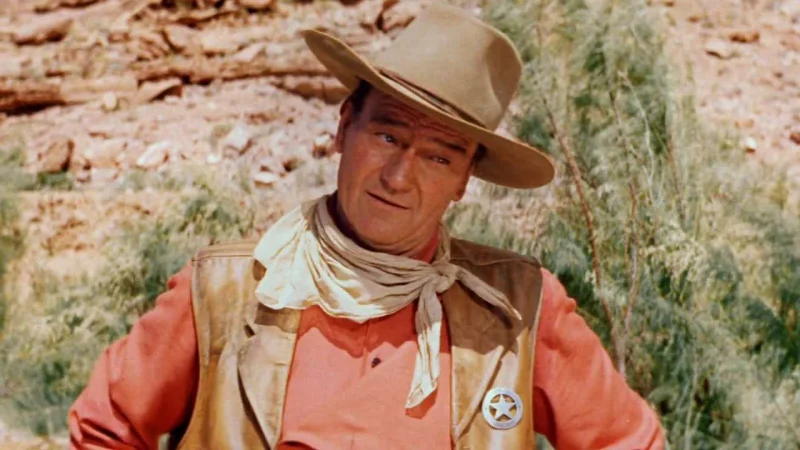 20th Century-Fox
From June to August of that same year, Wayne was filming The Searchers, directed by John Ford, alongside co-stars Jeffrey Hunter and Natalie Wood. Additionally, his production company, established in 1947, was overseeing not only Seven Men from Now but also Legitimate Defense and the film noir Man in the Vault, both directed by Andrew V. McLaglen, as well as Good-bye, My Lady by William A. Wellman.
Wayne submitted the script of Seven Men from Now to director Budd Boetticher, who had previously worked with him on The Lady and the Torero. Boetticher was immediately captivated by the film's concise and gritty narrative. Unfortunately, due to his packed schedule, Wayne had to forgo the lead role, which ultimately went to Randolph Scott. Despite this setback, Wayne made a visit to the film's set.
Budd Boetticher later reflected on the film's quality, stating, "It's one of the best Westerns I've ever made," as noted by Bertrand Tavernier in his book American Friends. Wayne himself expressed a long-standing regret about not participating, with Burt Kennedy recalling:
"Duke always said he bit his fingers for not having made Seven Men from Now."
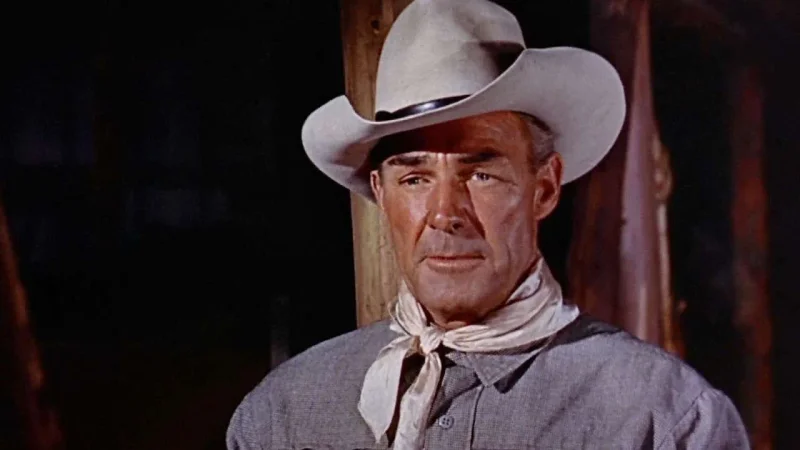 Paramount
Seven Men from Now is a tale of vengeance, yet it stands out in the genre due to its tight runtime of just 71 minutes, sparse but impactful dialogue, and Boetticher's distinctive directorial choices. The film features a compelling contrast between Randolph Scott's calm and relentless strength and Lee Marvin's more dynamic portrayal of the main antagonist.
Marvin would later work with Wayne on The Man Who Shot Liberty Valance, The Comancheros, and The Irishman. The film also includes Stuart Whitman, who reunited with Wayne for The Comancheros and The Longest Day, and Gail Russell, who starred alongside Wayne in his first independent production, Angel and the Badman (1947), and later in The Witching Hour (1948).
Although Boetticher never had the opportunity to direct Wayne, Burt Kennedy would go on to direct him in Stagecoach (1967) and The Train Robbers (1973).