
The World's Most Expensive Coffees: A Luxurious Brew
Explore the world of luxury coffees, from the record-breaking Panama Geisha to the rare St. Helena coffee. Discover their unique flavors, origins, and the ethical considerations behind their production.
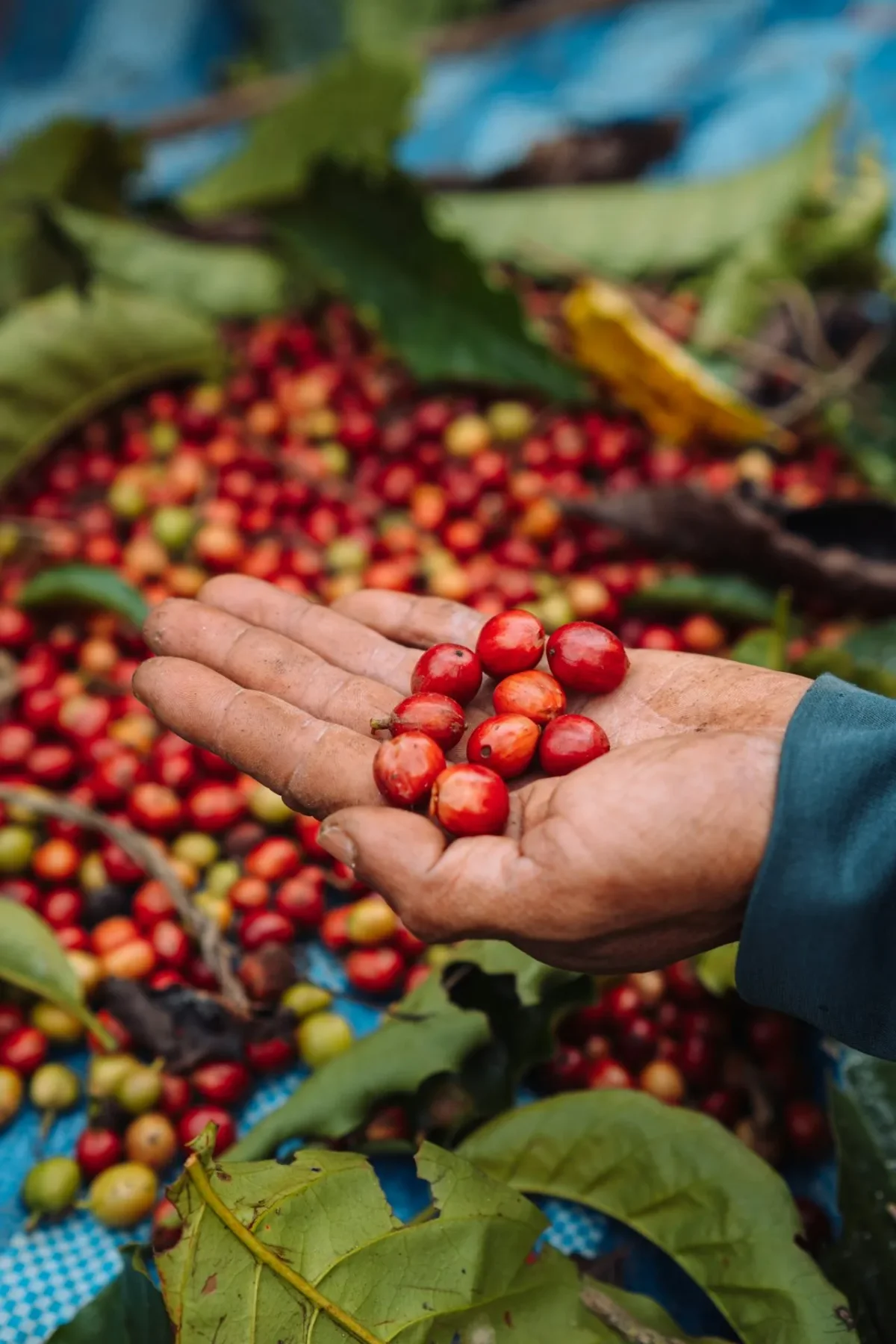
Coffee enthusiasts often seek not just flavor but also the story behind their brew. Among the most luxurious varieties, prices can soar to astonishing heights, with some coffees fetching more than the cost of a new car. For instance, a premium Geisha lot recently auctioned in Panama achieved over $30,000 per kilogram, making Panama Geisha the most expensive coffee globally.
In contrast, Black Ivory coffee from Thailand ranks among the priciest in regular retail, priced around $2,000 per kilogram. Other notable mentions include Kopi Luwak, St. Helena coffee, and Jamaica Blue Mountain, all commanding high prices.
However, for true coffee aficionados, price alone does not equate to quality. Factors such as origin, harvest methods, processing, roasting, and preparation significantly influence flavor profiles, often more so than the coffee's backstory. Additionally, ethical considerations regarding animal welfare are important in the cases of Black Ivory and Kopi Luwak.
Those interested in sampling these rare coffees should consider not just the price per kilogram but also the provenance, harvest details, and the actual quantity in the packaging.
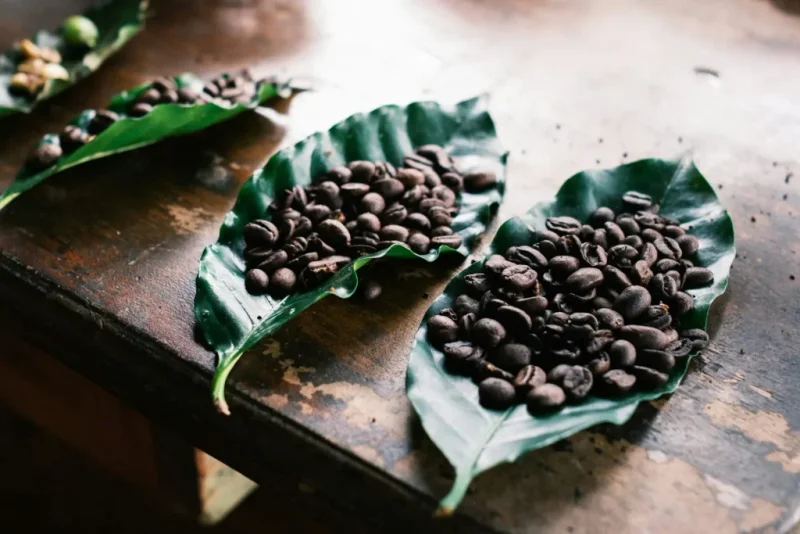
Roasted coffee beans on green leaves: The variety, origin, and roasting process shape the flavor and price of coffee.
The Five Most Expensive Coffees Compared
The following pricing data reflects estimates as of July 2026. The record price for Panama Geisha pertains to a single auction lot of green, unroasted beans, while the other varieties represent typical or publicly listed prices for high-quality original products.
| Rank | Coffee | Price per Kilogram | Origin | Classification | |------|--------|--------------------|--------|----------------| | 1 | Panama Geisha from top auctions | up to over €25,000 | Panama | Record price for a premium auction lot | | 2 | Black Ivory Coffee | about €1,700 to €2,600 | Thailand | Extremely rare, regularly offered luxury coffee | | 3 | Kopi Luwak from wild collection | about €200 to over €1,000 | Indonesia | Price varies significantly based on origin and certification | | 4 | St. Helena Coffee | about €180 to €800 | St. Helena | Rare island origin with low export volume | | 5 | Jamaica Blue Mountain | about €100 to €300 | Jamaica | Protected origin and limited cultivation |
There is no universally accepted ranking for these coffees. Some retailers calculate the price of very small packages on a per-kilogram basis, while auctions often deal in raw coffee, and online shops typically offer roasted beans. Additional costs such as shipping, import duties, and elaborate gift packaging can further inflate the final price.
1. Panama Geisha: The Pinnacle of Coffee Luxury
Panama Geisha reigns supreme regarding the highest documented price for a single coffee lot. Also known as Gesha, this variety originally hails from Ethiopia but has become one of the world's most sought-after specialty coffees after thriving in Panama.
Regions around Boquete and Volcán in Chiriquí province are known for producing Geisha coffee. The unique climate, characterized by high altitudes, volcanic soil, cool nights, and careful processing, contributes to its clear, floral, and complex aroma.
At the 2024 Best of Panama auction, an Elida Geisha lot fetched approximately $10,013 per kilogram, while a record-breaking price of over $30,000 was reported in 2025. This translates to around €25,000, depending on the exchange rate.
However, such records apply only to tiny, award-winning lots and should not be confused with the typical retail price of Panama Geisha, which is available in specialty shops for a fraction of these amounts. High-quality farm coffees can still command several hundred euros per kilogram, with beans from awarded lots often sold in small packages of 50 to 100 grams.
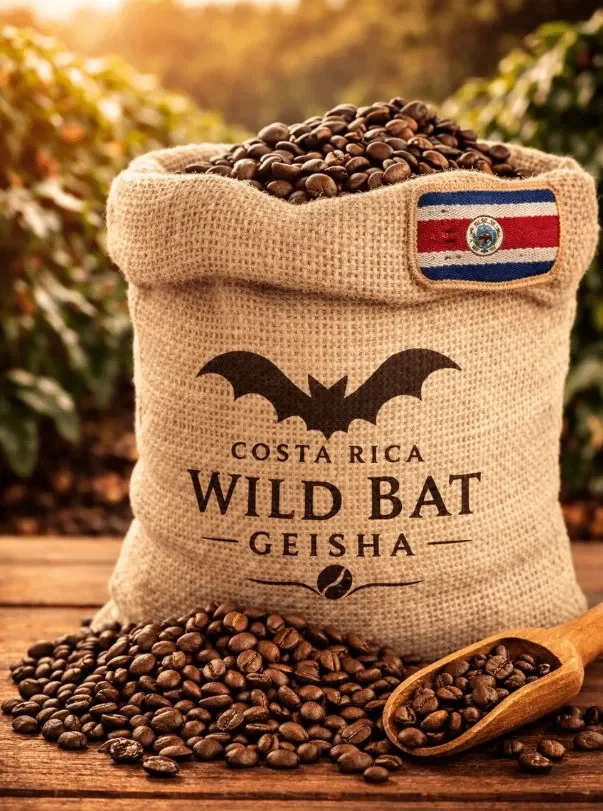
Wild Bat Geisha from Costa Rica combines the rare Geisha variety with an unusual natural processing method.
Flavor Profile of Panama Geisha
Typical tasting notes include:
- Jasmine
- Bergamot
- Orange blossom
- Peach
- Tropical fruits
- Black tea
The body is often light and elegant, with a clear and finely structured acidity. Dark roasts can overshadow many of these nuances, making gentle brewing methods like hand filters or Chemex ideal for high-quality Geisha lots.
A record price does not guarantee a coffee will become a personal favorite. However, with a good Panama Geisha, you are paying for not just rarity and prestige but also for an exceptionally precise harvest, unique genetics, and a clear, traceable flavor profile.
2. Black Ivory Coffee: Thailand's Luxury Brew
Black Ivory coffee is produced using Arabica coffee cherries that are consumed and subsequently excreted by elephants. During digestion, enzymes act on the fruit pulp and beans.
Workers then collect the intact beans from the dung, thoroughly clean, dry, and prepare them for roasting. Only a small fraction of the fed coffee cherries can be used in the end.
According to the manufacturer, approximately 33 kilograms of coffee cherries are needed to produce one kilogram of Black Ivory. Many beans are chewed, damaged, or lost after excretion.
This low yield and the labor-intensive process explain the price better than fermentation alone, with public prices often around $2,000 per kilogram, and luxury offerings reaching up to about $3,000.
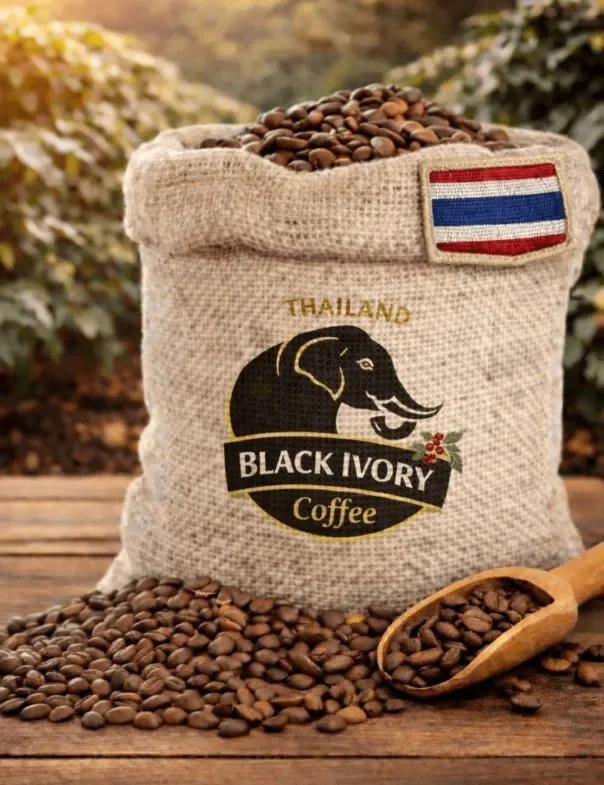
Black Ivory Coffee from Thailand is among the most expensive regularly available coffees in the world.
Flavor Profile of Black Ivory
The aroma is described as mild, soft, and relatively low in bitterness. Depending on the roast, notes of chocolate, malt, spices, nuts, and red fruits may emerge.
While digestion alters components of the coffee cherry, the subsequent roasting significantly influences the flavor. Buyers should not expect a taste revolution solely based on the unusual production method.
Black Ivory is produced in limited quantities and primarily sold through select hotels, restaurants, and the manufacturer. A cup in a luxury hotel can cost around $40 to $60.
Ethical Considerations
The manufacturer claims to collaborate with elephant conservation projects and allocates a portion of the proceeds for the care of the animals. However, such statements cannot be assumed to apply universally to all products marketed as "elephant coffee."
Key points to consider include:
- Clearly identified manufacturer
- Transparent animal husbandry conditions
- Traceable supply chain
- Specific information about origin
A high selling price does not guarantee ethical production. If details about the operator, farm, or origin are lacking, caution is advised.
3. Kopi Luwak: Famous and Controversial
Kopi Luwak is often still referred to as the world's most expensive coffee, but this is outdated; both Black Ivory and award-winning Panama Geisha lots command higher prices.
Nonetheless, Kopi Luwak remains one of the most recognized luxury coffees and is also one of the most frequently misleadingly marketed coffee products.
In Indonesian, "Kopi" means coffee, while "Luwak" refers to the civet cat. This animal eats ripe coffee cherries, digests the fruit pulp, and excretes the beans, which are then collected, washed, dried, hulled, and roasted.
In the wild, civets tend to select ripe fruits, a natural selection often cited as a reason for the coffee's exceptional quality.
Pricing for Kopi Luwak
Prices vary significantly, with roasted beans in retail often costing between €200 and €600 per kilogram. Documented wild collections, small amounts, analyses, and luxurious packaging can increase the price to over €1,000.
Thus, a blanket price per kilogram is not very informative. Raw coffee, roasted beans, blends, and certified wild collections should not be directly compared.
Flavor-wise, Kopi Luwak is often described as mild, earthy, chocolaty, and low in acidity. Among experts, its quality is debated; some appreciate its smooth body, while others argue that traditionally processed specialty coffees offer more aromatic complexity.
The high price is driven not only by flavor but also by rarity, fame, and the unusual story behind its creation.
Concerns Regarding Kopi Luwak
The primary criticism involves civets kept in cramped cages and primarily fed coffee cherries, which starkly contrasts with the romantic notion of wild animals in the rainforest.
Terms like "wild," "ethical," or "cage-free" are only meaningful when backed by independent verification.
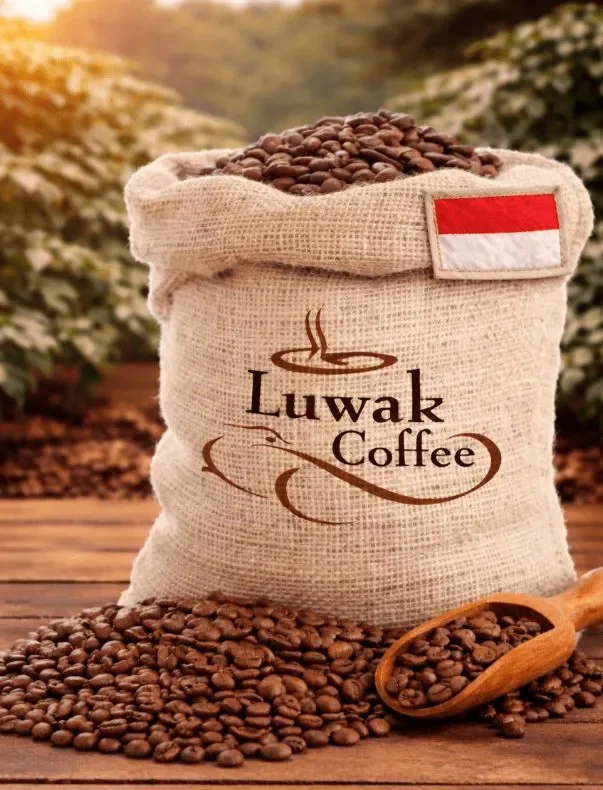
Kopi Luwak from Indonesia is one of the most renowned and simultaneously controversial luxury coffees in the world.
Buyers should pay attention to specific details:
- Where were the beans collected?
- Who produces the coffee?
- How are the animals treated?
- Is the supply chain traceable?
- Is it pure Kopi Luwak or a blend?
A picture of an animal on the packaging, a vague certification, or a high price does not suffice as quality assurance.
4. St. Helena Coffee: Rare Beans from the South Atlantic
St. Helena coffee is sourced from the remote island of St. Helena in the South Atlantic. This island, far from major trade routes, has limited cultivation areas, making production, transport, and export particularly challenging.
The coffee is primarily an Arabica line often referred to as Green Tipped Bourbon, historically linked to Yemen.
Additionally, the coffee is associated with Napoleon Bonaparte, who lived in exile on St. Helena from 1815 until his death in 1821. It is said that Napoleon appreciated the island coffee. However, today, the coffee's quality is primarily determined by its low yield, isolated origin, and meticulous processing.
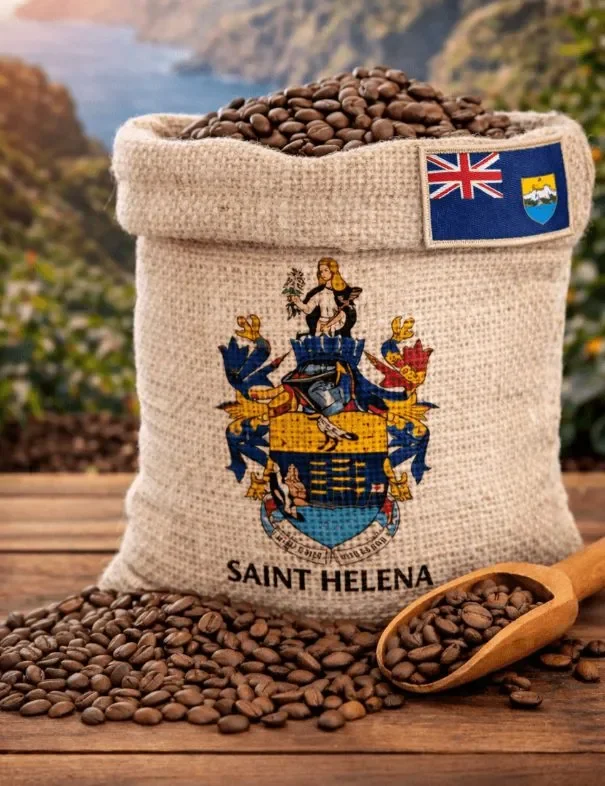
St. Helena coffee comes from the isolated island in the South Atlantic and is among the rarest coffees in the world due to its limited harvests.
Pricing for St. Helena Coffee
A fixed price per kilogram is hard to establish. Retail prices can realistically range from €180 to €400 per kilogram, depending on the producer, harvest, package size, and shipping.
Particularly rare batches and small luxury packages can reach prices of up to €800 per kilogram.
Aromatically, St. Helena coffee is often described with notes of citrus fruits, stone fruits, honey, caramel, and floral hints. Its acidity can be vibrant without being unpleasantly sharp.
This coffee is best enjoyed with light to medium roasts, using hand filters or French press. Large amounts of milk or strongly flavored syrups would overshadow its delicate notes.
5. Jamaica Blue Mountain: Protected Origin from Jamaica
Jamaica Blue Mountain ranks among the most expensive coffees regularly available in international trade.
The name is geographically protected and may only be used for coffee from a designated area in the Jamaican Blue Mountains. Cultivation, processing, and export are subject to strict controls, and beans from other regions of Jamaica cannot be sold under this label.
You may also like



![Ici tout commence: What to Expect in Episode 1488 on Monday, July 27, 2026 [SPOILERS]](https://glowculturehub.com/cdn/images/b2d3d6d788c39a22a548df320e6d9f77/w1200.webp)