
Top Eyelash Serums of 2026: A Closer Look at Environmental Impact
Eyelash serums are popular for promoting longer, thicker lashes, but their environmental impact is often overlooked. Explore the issues of excessive packaging and harmful ingredients, as well as the rise of eco-friendly alternatives in the beauty industry.
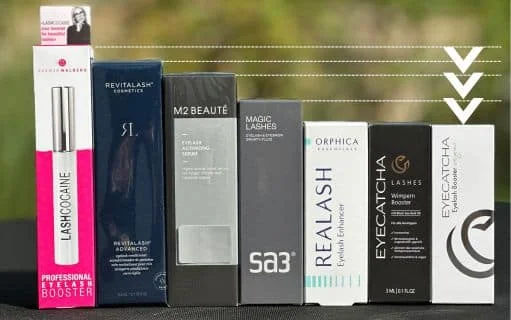
Eyelash serums have gained immense popularity among consumers seeking longer and denser lashes. However, while users anticipate beautiful results, the environmental implications of these products often go unnoticed. The impact of eyelash serums on the environment primarily revolves around two critical aspects: packaging and ingredients.
Excessive Packaging: An Environmental Concern
One of the significant issues with many cosmetic products, including eyelash serums, is excessive packaging. It is common to find small vials encased in unnecessarily large boxes, creating an illusion of a more substantial product. Often, a second layer of packaging is added, sometimes in the form of an additional box that further envelops the product. Some brands even include a cellophane wrap to complete the packaging.
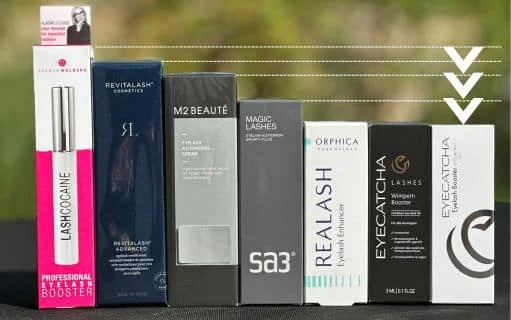
"Bigger is better?" This seems to be the motto for LashCocaine, which features an oversized box despite containing only 3.5ml of serum. Similarly, RevitaLash and M2 Lashes also utilize significantly large cardboard boxes.
This practice not only contributes to increased waste but also raises resource consumption, as more materials are required to produce these packages. The environmental toll from the production and disposal of such packaging is substantial. For instance, the manufacturing of cardboard and plastic packaging generates high levels of CO2 emissions. The situation worsens when the packaging is non-recyclable, which remains a common issue in many cosmetic products.
Inefficient Bottle Sizes
Additionally, the actual bottles containing the eyelash serum are frequently too large compared to the amount they hold. Typically, eyelash serums contain between 3 and 4 milliliters of liquid. However, many brands opt for oversized bottles to project an image of luxury and value. This approach leads to unnecessary plastic use, which ultimately ends up in landfills and is difficult to decompose.
A more mindful approach to bottle sizes could significantly improve this situation. Bottles that accurately reflect their contents would not only be more environmentally friendly but also promote transparency among consumers.
Environmentally Harmful Ingredients
Beyond packaging, concerns also arise regarding the ingredients in some eyelash serums. Certain products contain synthetic chemicals that can be potentially harmful to user health and detrimental to the environment. Notably, prostaglandin analogs, which stimulate eyelash growth, are difficult to break down and can enter the environment after washing off. These substances can impact ecosystems, particularly when they enter wastewater systems and ultimately flow into rivers and oceans.
Moreover, some eyelash serums contain microplastics or silicones that are also hard to decompose and contribute to environmental pollution. Microplastic particles can make their way into oceans through wastewater, where they are ingested by marine life, thereby re-entering the food chain and posing risks to both environmental and human health.
Eco-Friendly Alternatives
In light of the environmental challenges posed by excessive packaging and harmful ingredients, there are encouraging developments within the cosmetics industry. More manufacturers are embracing eco-friendly alternatives, such as recyclable packaging and refill systems. Some brands have recognized that by eliminating oversized packaging and utilizing environmentally friendly materials, they can not only protect the environment but also strengthen customer trust.
Additionally, there are now products featuring natural, biodegradable ingredients. Plant extracts and oils are being used to replace synthetic substances, offering nourishing and growth-promoting benefits for eyelashes while being gentler on the planet.
You may also like