
Using a Dermaroller on a Sensitive Scalp: What You Need to Know
Learn how to safely use a dermaroller on sensitive scalps, including signs to stop, hygiene practices, and when to seek professional help.
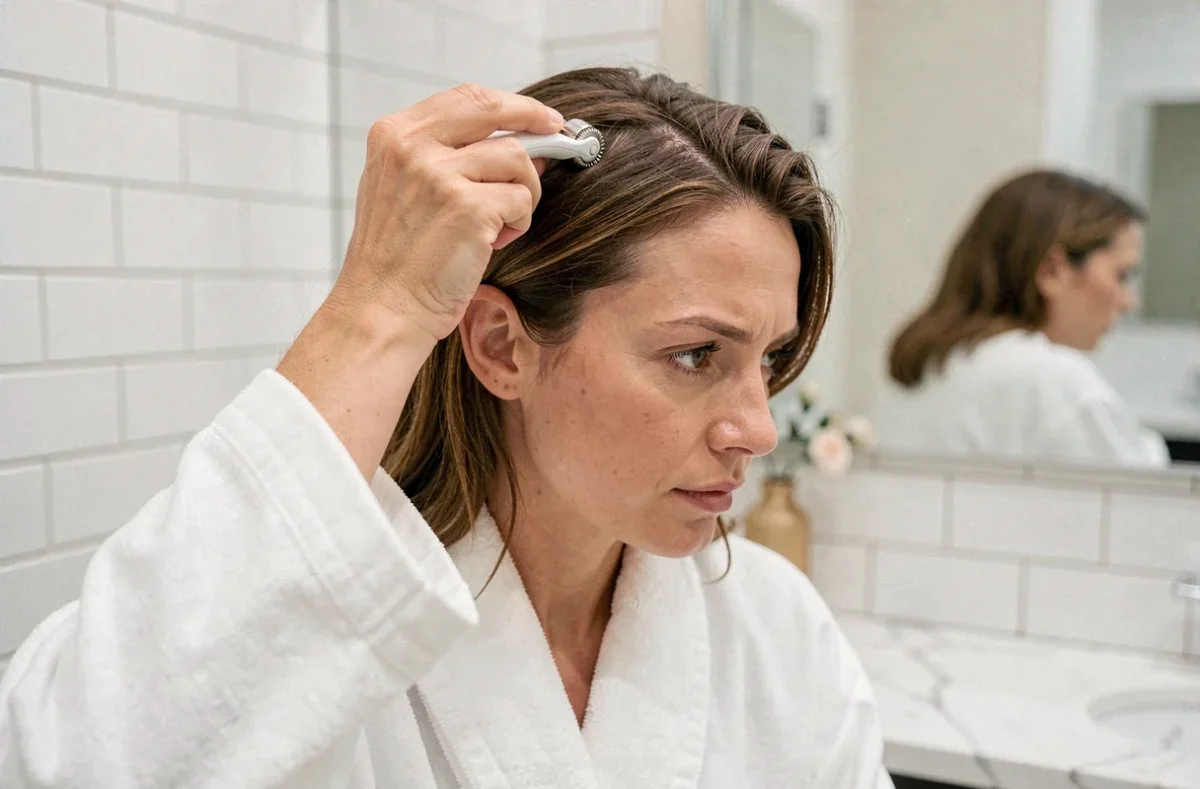
The dermaroller has gained popularity for its potential to stimulate hair regrowth. However, for those with sensitive scalps, concerns arise even before the microneedling process begins. The critical question isn't whether microneedling is effective, but rather when to transition from at-home treatments to seeking professional dermatological advice.
Signs to Stop Using a Dermaroller on a Sensitive Scalp
Before delving into techniques or needle sizes, it’s essential to recognize when the use of a dermaroller should be halted. While some redness is expected, persistent redness the following day is a clear signal to stop, indicating that the treatment may not be suitable.
Recent guidelines emphasize several clinical signs that should not be ignored:
- Visible crusts on the scalp, even if small, indicate that the skin barrier is compromised, and further microneedling could worsen the damage.
- Sensitivity lasting more than twenty-four hours after treatment suggests an exaggerated inflammatory response, necessitating a pause until the scalp returns to its normal state.
- Intense itching or burning sensations during application, beyond the mild discomfort expected, indicate that the pressure or depth of the needles may be inappropriate for your skin.
- Areas with plaques, thick greasy dandruff, or chronic redness (as seen in seborrheic dermatitis) should be avoided during treatment.
In such instances, it is no longer a matter of protocol adjustment. Consulting a dermatologist becomes the only sensible course of action, as an inflamed scalp will not respond to microneedling in the same way a healthy scalp would.
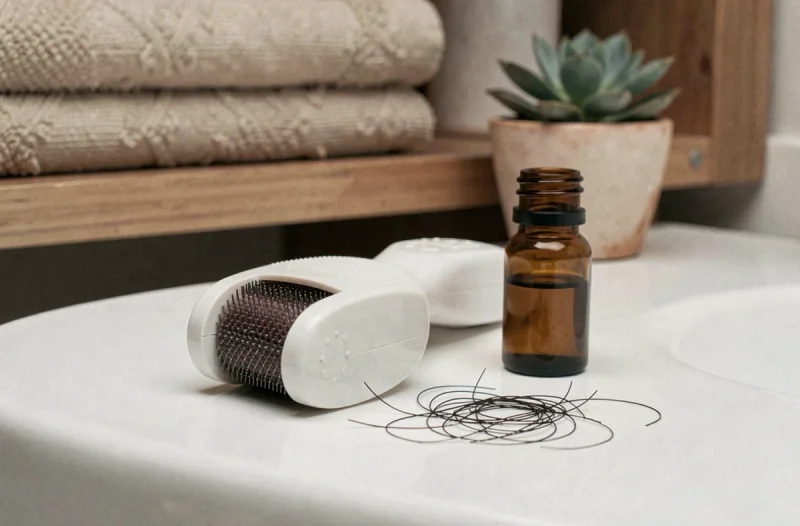
Adjusting Needle Depth and Pressure for Reactive Scalps
If none of the aforementioned warning signs are present, individuals with sensitive scalps may still tolerate the dermaroller. The key lies in selecting the right tools and methods.
Needle Length: Staying Below the Irritation Threshold
For a typical scalp, needles of 0.5 mm or longer are often recommended to enhance the absorption of hair care products and stimulate follicles. However, for sensitive scalps, starting with 0.25 mm needles is advisable, allowing for observation over two or three sessions before considering longer needles.
Bony areas of the skull, such as the temples and crown, are more sensitive due to thinner skin. Applying excessive pressure with a standard dermaroller in these regions can lead to irritation. It’s best to let the weight of the roller do the work without forcing it.
Frequency of Use on Sensitive Skin
A common pitfall is the temptation to increase session frequency to hasten results. Sensitive scalps require more recovery time between treatments. While opinions vary, spacing sessions at least ten to fourteen days apart seems to be a reasonable minimum for skin that reacts easily.
If mild redness appears but fades within a few hours, the protocol is likely appropriate. If it persists, consider extending the interval between sessions or reducing needle depth.
Hygiene Practices: Preventing Infection
Much emphasis is placed on needle size and frequency, but the primary documented risk remains infection due to a poorly sanitized device. A compromised skin barrier on a sensitive scalp increases vulnerability to bacterial entry.
Disinfecting the dermaroller with isopropyl alcohol before and after each session is essential. Users have reported scalp infections directly linked to inadequate cleaning of their rollers. Other potential complications include micro-scarring and post-inflammatory hyperpigmentation, particularly in darker skin or when excessive pressure is applied.
Regularly replacing the roller is also crucial. Dull needles do not penetrate cleanly and can tear the skin, leading to unnecessary inflammation.
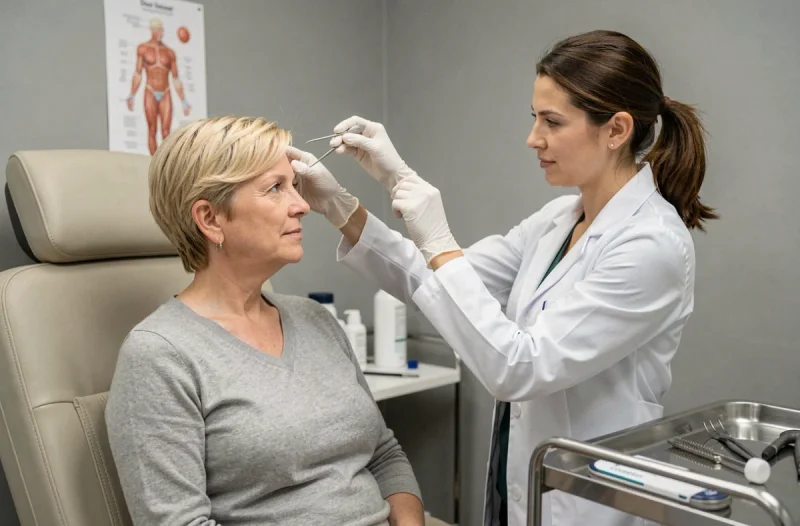
When to Seek Professional Help Instead of Microneedling
It’s important to remember that a dermaroller is merely a tool, not a medical treatment. This distinction is particularly crucial for those experiencing both a sensitive scalp and active hair loss.
Several situations warrant putting down the roller and consulting a professional:
- Sudden or diffuse hair loss that does not respond to topical treatments after several months.
- A diagnosed skin condition (such as psoriasis, seborrheic dermatitis, or eczema) in the areas intended for treatment.
- Use of anticoagulants or the presence of bleeding disorders, which contraindicate at-home microneedling.
- Recurring reactions despite reducing needle depth and increasing session intervals.
At-home microneedling cannot replace a proper diagnosis. A dermatologist can provide microneedling treatments in a controlled environment, ensuring appropriate depth, sterility, and follow-up based on the scalp's condition. The difference between using a dermaroller at home and a medical device in a clinic is significant.
Combining Dermaroller with Hair Care Products: Considerations for Sensitive Skin
Microneedling enhances the absorption of products applied to the scalp, which is why it is often paired with minoxidil or hair growth serums. However, for sensitive scalps, this increased permeability can be a double-edged sword.
Applying a product containing alcohol or fragrances immediately after microneedling can introduce irritants directly into micro-wounds. It is advisable to opt for formulations that are sulfate-free, fragrance-free, and ideally validated for sensitive skin.
Timing is also a factor. Some prefer to apply their serum a few hours post-treatment rather than immediately, allowing the skin to partially close. For reactive scalps, this precaution can mean the difference between a well-tolerated treatment and an irritation flare-up.
Using a dermaroller can be an effective strategy to stimulate follicles and combat hair loss, even on a sensitive scalp. The key is to follow a gentler, more spaced-out protocol and to heed clear signals from the skin. When these signals become frequent, it’s time to set the roller aside and consult a dermatologist for further guidance.