
Why Our Children Are Obsessed with Squishies (and How to Adapt as Parents)
After Hand Spinners and Pop Its, these small, soft, and colorful objects have invaded our children's playgrounds and pencil cases. While these kawaii figures may seem like yet another passing trend, they actually fulfill a very real need for tactile engagement.
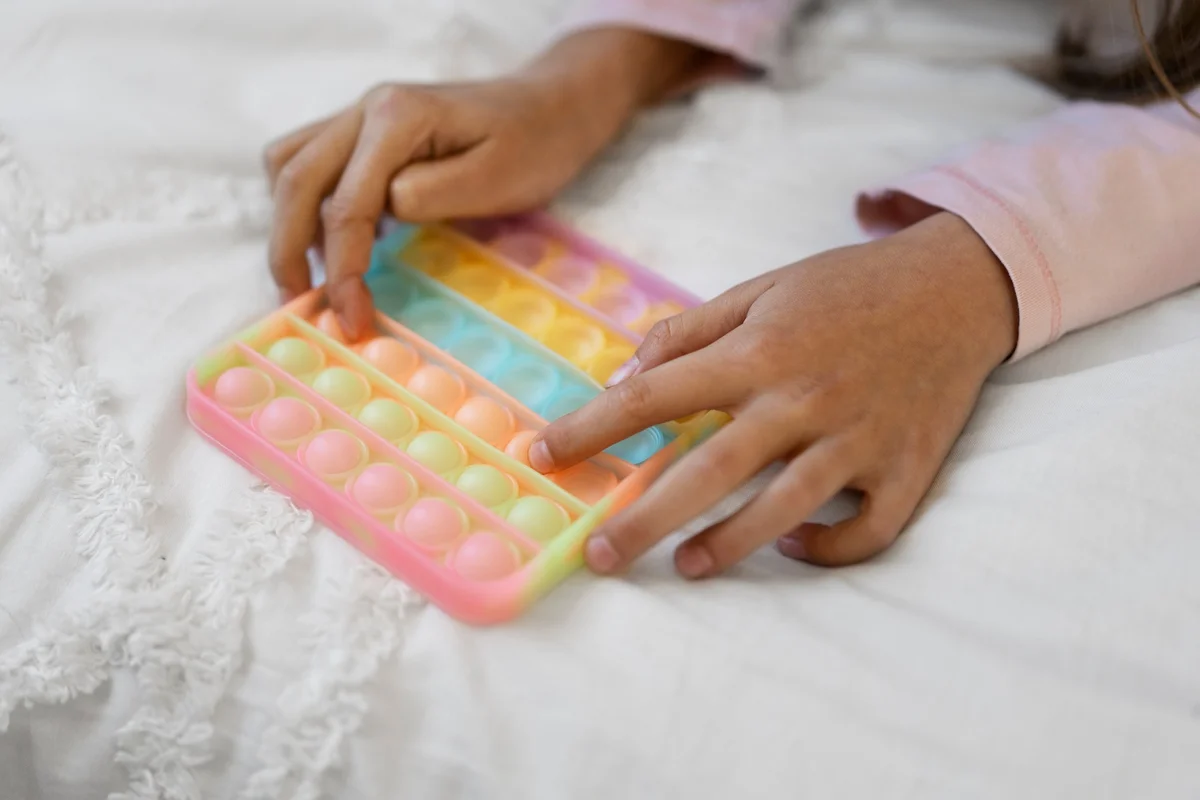
After Hand Spinners and Pop Its, these small, soft, and colorful objects have invaded our children's playgrounds and pencil cases. While these kawaii figures may seem like yet another passing trend, they actually fulfill a very real need for tactile engagement.
Foam Figures Address a Deep Sensory Need
These small animals and characters to squeeze are part of the larger family of fidgets, objects designed to occupy the hands and channel energy. The success of squishies relies almost entirely on their texture. This soft and malleable contact provides an extremely gratifying sensation for younger children.
Just as some adults fidget with a pen during meetings or spin their keys while thinking, children find in this mechanical gesture a way to calm themselves and focus their attention. Not everyone has the same sensitivity to external stimuli, and for many little ones, squeezing a soft object proves particularly comforting amidst a busy day.
The Comforting Effect Helps Channel but Does Not Replace Dialogue
Manufacturers often market squishies as miracle remedies for stress. However, the reality is a bit more nuanced. While fidgeting with foam provides immediate comfort similar to that of a comfort object, it does not address significant anxieties. These toys offer temporary support to release excess energy, but they cannot replace therapeutic guidance if anxiety becomes persistent.
Vigilance is necessary if a child becomes entirely dependent on their fidget, to the point of being unable to engage in an activity or concentrate without it. In such cases, consulting a professional like an occupational therapist or psychologist can help explore what is truly behind this overwhelming need.
Classrooms Accept the Material as Long as It Remains Discreet
In schools, the presence of these figures sometimes sparks debate, but many teachers choose to adapt rather than punish. The idea is to make a major distinction between different models. Silent and discreet foam versions find their place on the desks of students who need them to remain attentive. In contrast, models containing beads, liquid, or those that make noise are strictly prohibited as they immediately fall into the category of disruptive toys.
It must also be acknowledged that while squeezing is relaxing, the allure of novelty is equally compelling. This phenomenon is not new, reminiscent of the trend of Legami erasable pens that children love to collect and display. Each teacher remains free to set their own rules, but the trend leans towards pragmatic management: the object is tolerated as long as it supports learning and does not become a projectile.
Material Wear Requires Regular Monitoring
A crucial point of vigilance concerns the safety of younger siblings. Squishies are absolutely unsuitable for babies or toddlers. Over time and with repeated handling, the foam or plastic covering can crack or tear. Small pieces may then detach and pose a real risk of ingestion or choking. Therefore, it is essential to regularly inspect the condition of fidgets lying around the house and to dispose of damaged models without hesitation to prevent accidents.
Listening Remains the Best Approach to Support This Trend
Squishies deserve neither to be demonized nor to be adopted as magical solutions to all school-related woes. They simply highlight the fact that our children, just like us, seek tools to navigate a world that can sometimes be too loud or stimulating. By openly discussing with them what they feel when manipulating these objects, we can better understand their needs and help them find the right balance between playtime and focus.