
Why Your Baby Might Lose Their Appetite During Heatwaves (and When to Worry)
As temperatures rise, a decrease in appetite in children can cause concern for parents. This natural response helps the body cope with heat. Learn how to adapt meals and recognize signs that require attention.
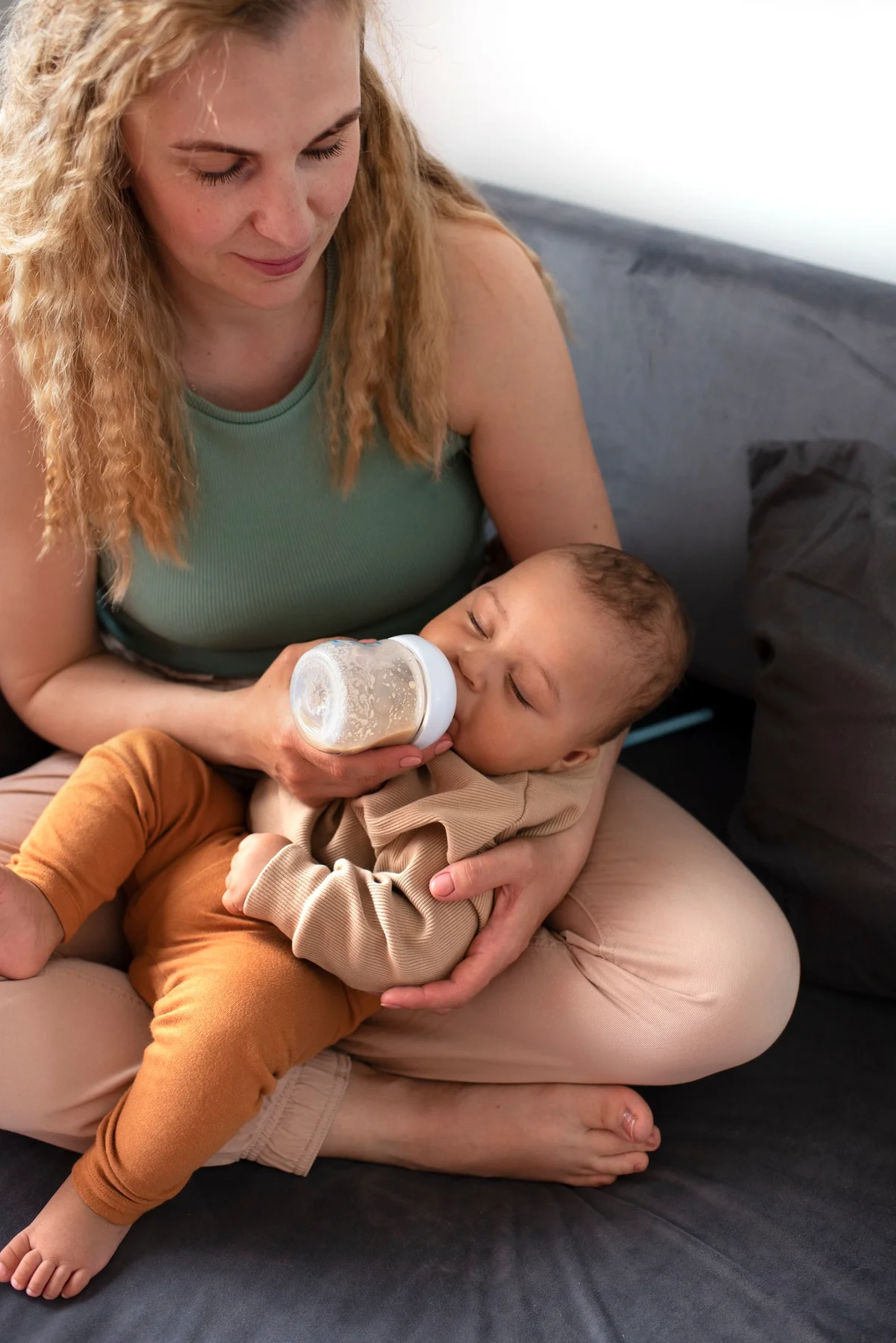
As temperatures rise, parents may become concerned when their child shows a lack of interest in meals. However, this temporary decrease in appetite is a natural defense mechanism that helps the body cope with heat. By adjusting meals without stress and recognizing a few key warning signs, parents can navigate this seasonal challenge with ease.
A Natural Physiological Response to Heat
When the ambient temperature increases, a child's metabolism adapts to the climate. The body no longer needs to accumulate as much energy to maintain a core temperature of 37°C, which naturally reduces daily caloric needs. Additionally, the digestion process generates internal heat. By slowing food intake, the body conserves energy and avoids unnecessary overheating. Younger children often reduce their physical activity during the hottest parts of the day, further decreasing their energy expenditure.
This concern is frequently raised during pediatric visits as the first heatwaves arrive. It is common and harmless for a child to nibble on food for a few days. Forcing a child to finish their plate can create unnecessary tension at mealtime. Children have an excellent ability to self-regulate and instinctively listen to their immediate needs.
Prioritizing Hydration and Light Foods
Instead of engaging in a mealtime struggle, the best approach is to align with your child's biological rhythm. Main meals should be scheduled during the cooler parts of the day, such as early morning or early evening, when appetite naturally returns. Offering small portions throughout the day, along with light snacks, is far more effective than presenting large, intimidating plates in the heat.
Simplicity is key when it comes to food choices. Hearty, rich meals require significant digestive effort, which can exhaust the body. Focus on foods that are high in water content and easy to digest, such as watermelon, melon, cucumbers, tomatoes, and seasonal fruits. Fresh dairy products like yogurt or cottage cheese provide essential nutrients while offering a refreshing sensation. Cold salads made with pasta, rice, or steamed vegetables, paired with a light protein like eggs or poultry, are also ideal. For dessert, fresh compotes or homemade fruit puree popsicles add a fun touch that children enjoy.
Water is the essential fuel throughout the summer. If you are breastfeeding, offer the breast more frequently without waiting for signs of thirst, as breast milk adjusts its composition to be more hydrating during heat peaks. For bottle-fed or older children, keep water bottles or cups readily available. It’s best to avoid sugary drinks or sodas, which can suppress appetite without providing real hydration.
Watch for Signs of Dehydration
While a decrease in appetite may not be alarming, dehydration poses a significant risk during hot weather, particularly for infants. Babies and young children are still learning to regulate their temperature and can quickly deplete their water reserves. Observing your child's overall condition remains the best health indicator.
Certain signs should prompt immediate consultation with a healthcare professional. Abnormal drowsiness, a child who is unusually lethargic or difficult to wake, visible dryness of the lips and mouth, or sunken eyes are clear warning signs. Additionally, if diapers remain dry for several hours or if your child does not produce tears when crying, medical attention is necessary. A complete and prolonged refusal to hydrate, along with a fever exceeding 38°C or vomiting, also warrants prompt medical advice.
In the absence of these alarming symptoms, trust your child to manage their eating at their own pace. Summer simply requires a bit of flexibility in daily routines. Once temperatures return to more seasonal norms, you can expect to see your little eater back at the table without any effort.
You may also like